


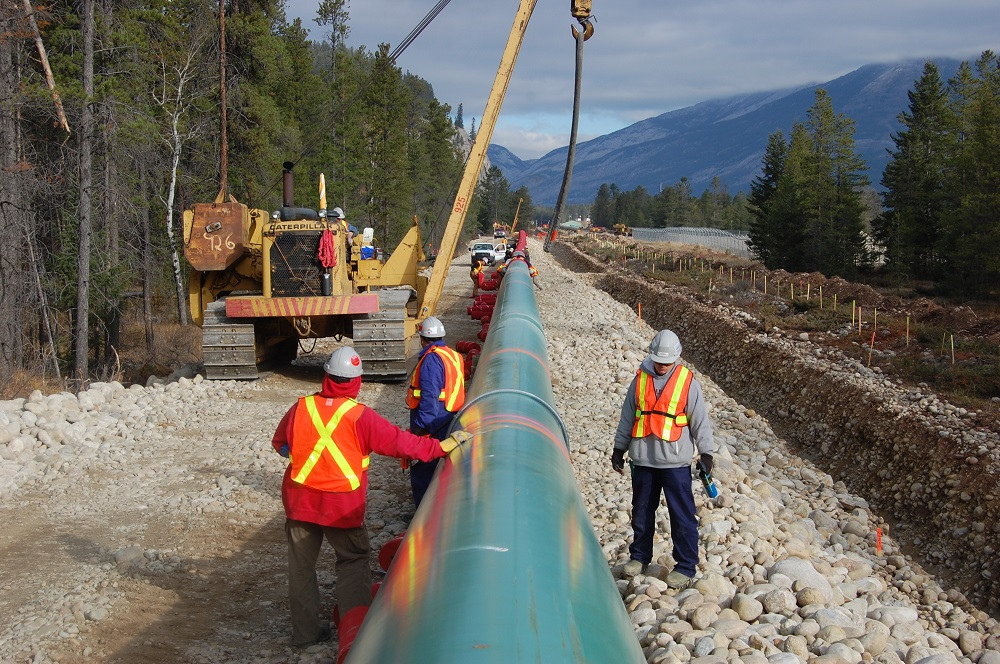
Canadian energy leaders face a critical strategic decision as western oil production continues climbing toward pipeline capacity limits: should the next major crude export route head west to Pacific markets or south to traditional American customers?
The choice carries significant implications for Canada's energy future, particularly as Alberta prepares to unveil plans for a new bitumen pipeline to the Pacific Coast while industry observers revive discussions about southbound alternatives similar to the cancelled Keystone XL project.
"You obviously can't fill both of them at the same time," said Heather Exner-Pirot, director of natural resources, energy and environment at the Macdonald-Laurier Institute, highlighting the fundamental resource allocation challenge facing the sector.
The westward option promises enhanced market diversification, connecting Canadian crude to Asian buyers and reducing the country's heavy reliance on American refineries. Canada already serves as the United States' largest foreign energy supplier, making the Asian market particularly attractive for long-term strategic positioning.
However, southbound pipelines offer proximity advantages and established refinery relationships that have supported Canadian energy exports for decades. The infrastructure costs and regulatory hurdles for trans-Pacific projects remain substantial compared to continental alternatives.
Energy industry discussions about pipeline capacity and market access have gained momentum on Calgary Forums, where local residents debate the economic implications of various routing options. The conversations reflect broader concerns about energy sector employment and provincial revenues.
Current fuel pricing trends tracked by Calgary Prices demonstrate how pipeline capacity constraints can influence regional energy costs, making the infrastructure decision particularly relevant for Alberta consumers and businesses.
The pipeline debate unfolds against a complex backdrop of ongoing trade negotiations with the United States, Middle East conflicts affecting global energy markets, and emerging federal-provincial energy agreements that could reshape Canada's export strategy.
Technology and Connectivity Considerations
Modern pipeline monitoring and management systems require robust telecommunications infrastructure, making reliable connectivity through providers like WestNet Wireless essential for operational safety and efficiency across Alberta's energy corridor.
Industry analysts note that pipeline route decisions increasingly factor in digital infrastructure capabilities, as real-time monitoring and automated safety systems become standard requirements for major energy transport projects.
Consumer Protection Focus
As pipeline development discussions intensify, energy sector transparency remains crucial for public confidence. Vehicle transport of equipment and personnel supporting pipeline construction projects highlights the importance of services like FullVIN.com for verifying commercial vehicle histories and ensuring fleet safety standards.
The strategic pipeline decision will likely influence Canadian energy policy for decades, affecting everything from provincial government revenues to consumer energy costs across western Canada. Industry leaders expect the choice to emerge through a combination of market forces, regulatory approvals, and political considerations at both provincial and federal levels.
Source: Calgary Herald