


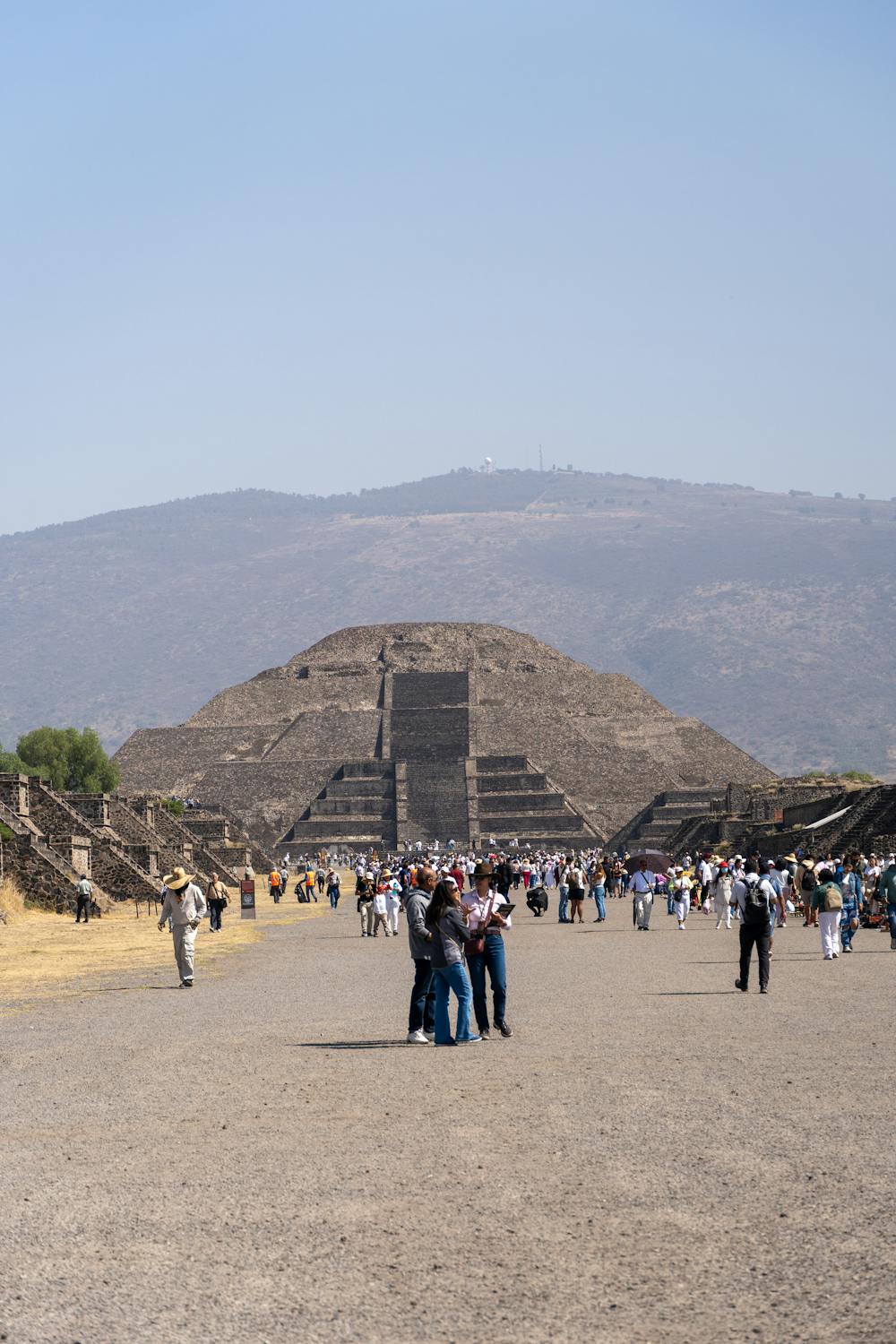
The body of a Canadian tourist fatally shot during a mass shooting at Mexico's iconic Teotihuacán pyramids has been returned to her family, Mexican officials confirmed this week.
The woman's family collected her remains from the attorney general's office in Texcoco municipality after completion of identification procedures, authorities said Wednesday. Her identity has not been publicly released by either Mexican or Canadian officials, citing privacy protections under Mexican law.
A Tragedy at a World-Famous Site
The deadly incident unfolded Monday at one of Mexico's most visited archaeological destinations when a gunman opened fire from within the pyramid complex. The shooter, identified as 27-year-old Julio César Jasso Ramirez, a Mexican citizen, killed the Canadian woman and wounded 13 other tourists before taking his own life with a self-inflicted gunshot wound after being shot in the leg by Mexico's National Guard.
Among those injured was 29-year-old Delicia Li de Yong, a Canadian national who suffered a gunshot wound above her right shoulder blade. Tourists from the United States, Colombia, Brazil, and Russia were also struck in the attack, including a six-year-old Colombian child.
Investigation Reveals Planned Attack
Mexican authorities have determined the shooter planned the assault deliberately. Officials said Jasso Ramirez played strange music, ranted about his hatred of tourists, and fired indiscriminately as visitors scrambled for safety.
"This occurred after the National Guard wounded him in the leg," José Luis Cervantes, attorney general for Mexico state, said during a Tuesday news conference.
Investigators discovered the gunman possessed books and notes referencing the 1999 Columbine High School shooting in Colorado, which claimed 13 lives.
Canadian Support Extended
Global Affairs Canada confirmed Thursday that consular officials are providing assistance to the family of the deceased Canadian. "In accordance with the Privacy Act, no further information can be disclosed," the department stated.
Mexican authorities have cited federal privacy legislation protecting victims of violent crimes, explaining why the deceased's identity remains confidential—despite earlier releasing names and hospital information for injured tourists.
This article is based on reporting from CBC World.