


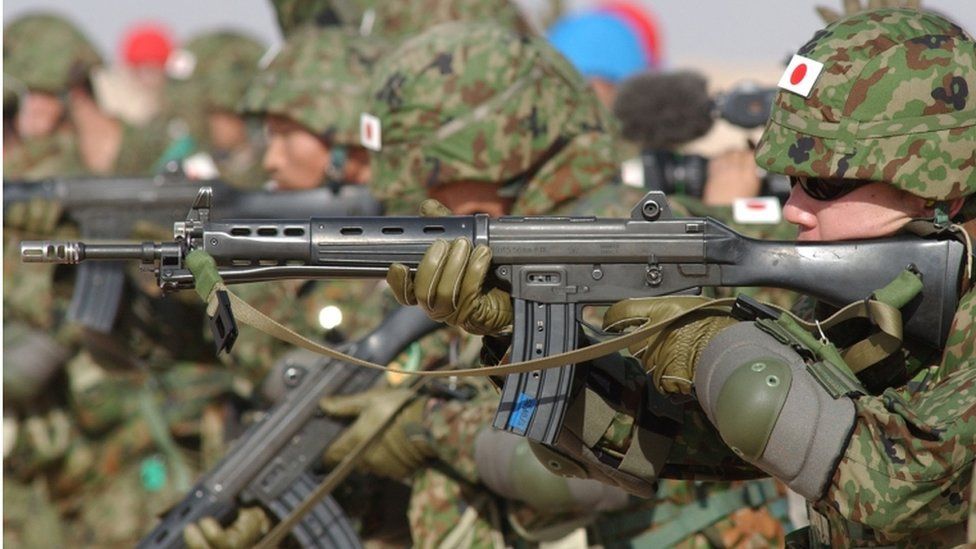
Japan is making one of its most significant military policy changes in decades, lifting a sweeping ban on lethal weapons exports that has defined the nation's defence posture since the end of the Second World War.
The policy reversal marks a dramatic departure from Japan's post-war commitment to pacifism and represents a fundamental repositioning on the global defence market. For more than seven decades, Japan maintained strict restrictions on exporting military equipment, viewing the limitations as central to its identity and international relations strategy.
The lifting of export restrictions comes as Tokyo reassesses its military readiness in response to evolving geopolitical pressures in the Asia-Pacific region. Japan's decision reflects growing concerns about regional security dynamics and signals the country's intention to play a more active role in global defence sectors.
A Watershed Moment for Japanese Defence Policy
The move represents a seismic shift in how Japan views its place in international security architecture. Previously, the nation had maintained one of the world's most restrictive defence export regimes, limiting military sales to peacekeeping operations and specific allied nations under exceptional circumstances.
By opening its defence industry to broader weapons exports, Japan is poised to compete alongside established military-industrial powers and strengthen strategic partnerships with allied nations. The change also positions Japanese defence manufacturers to expand their global market presence significantly.
Strategic Implications
Experts note that Japan's policy recalibration reflects intensifying security concerns, particularly regarding developments in the region that have prompted Tokyo to rethink its traditional military constraints. The shift suggests Japan is preparing for a more assertive defence posture while navigating complex regional relationships.
The policy change also has economic dimensions, with Japan's advanced defence technology sector potentially benefiting from new export opportunities. Japanese manufacturers have developed sophisticated military equipment over decades, despite the export restrictions.
This article is based on reporting from CBC World.