


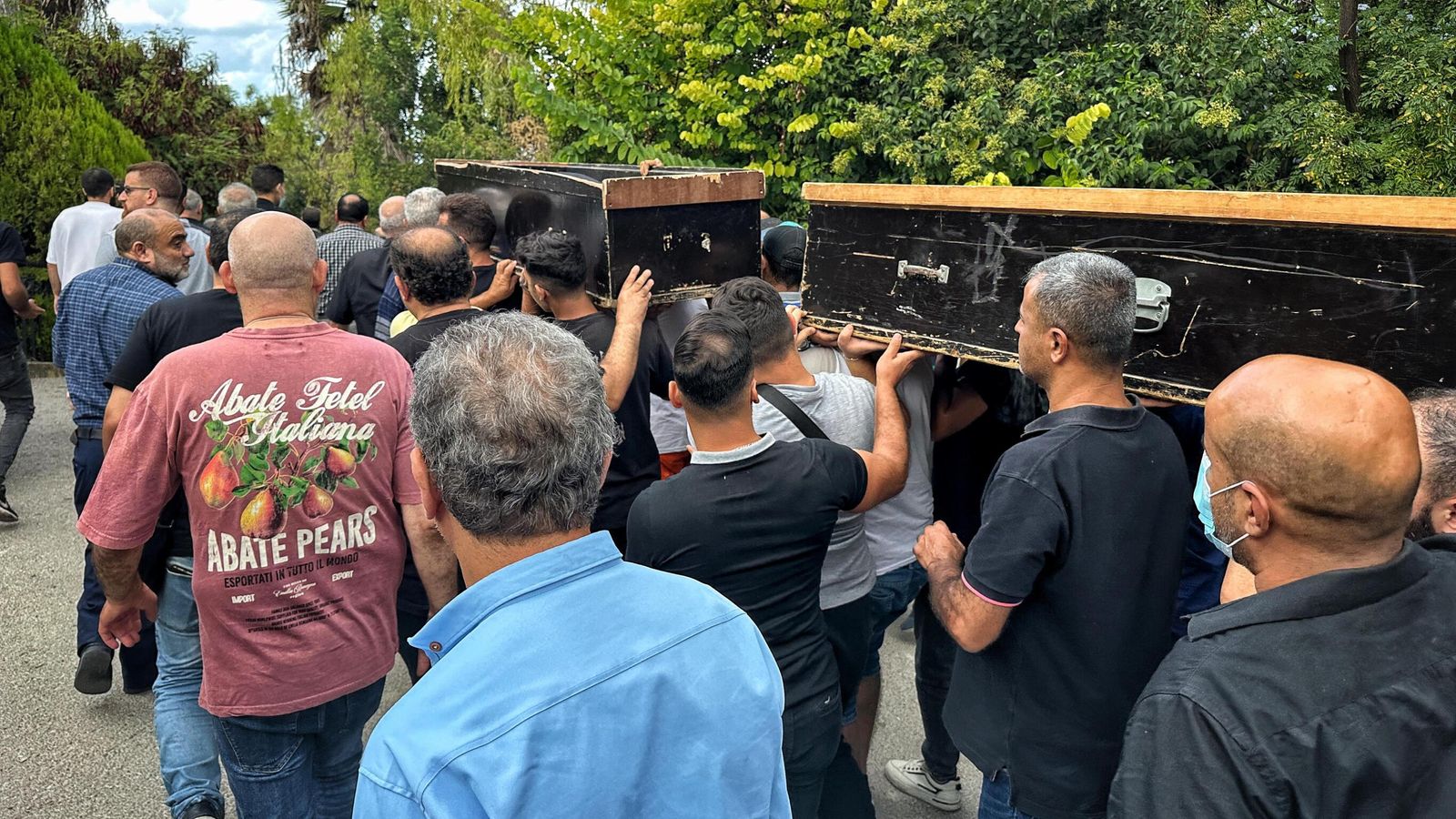
The soccer game between cousins in a quiet Lebanese village seemed like any other afternoon. Eleven-year-old Jawad Younes had just taken his tired four-year-old brother inside, kissed him goodbye to their mother, and headed back outside to rejoin the match. Minutes later, an Israeli airstrike levelled his uncle's neighbouring home.
Jawad never made it home again.
His mother, Malak Meslmani, was pulling her other children off the floor when her worst fears crystallized. "I was running to pick them up, I screamed, 'Jawad,'" she recalled. "My heart told me."
The March 27 strike in Saksakieh village killed Jawad, his cousin, and wounded several other children. His uncle also died in the blast. But their story is far from unique in Lebanon's six-week conflict with Israel and Hezbollah—it's one of 168 documented cases of children killed, according to Lebanon's Health Ministry, as part of more than 2,100 total deaths.
A Pattern of Strikes on Residential Areas
What makes these deaths particularly controversial is their location. Israel has repeatedly targeted alleged Hezbollah militants and officials in their homes—often without warning—in residential neighbourhoods far from the front lines, striking apartment buildings surrounded by families and uninvolved civilians.
The Israeli military maintains it follows international law, citing "principles of distinction, proportionality, and precautions." Officials say they target Hezbollah facilities and operatives, though they provide limited evidence. They also blame Hezbollah for placing military operations among civilian populations.
"The Israeli military didn't deny that children have been killed," according to reporting on the conflict, "but said it has targeted Hezbollah facilities and militants."
Yet the numbers paint a stark picture. At least two Israeli civilians and 13 soldiers have been killed in the current war, compared to the 168 children lost on the Lebanese side.
Questions About Legal Proportionality
International law permits collateral damage when striking military targets—but only if the civilian harm is proportional to the anticipated military gains. The critical question: Did the Israeli military know children were likely to be harmed?
"To the extent that they knew that children were likely to be harmed or killed in these strikes, and as an ethical matter, absolutely I think that should affect the calculus," said Charles Trumbull, an assistant law professor at the University of South Carolina who specializes in armed conflict ethics.
The families of slain children have accused Israel of war crimes. At the American University of Beirut Medical Centre, Dr. Ghassan Abu Sitta—who has treated some of the most seriously wounded children from both Gaza and Lebanon—sees the devastating reality firsthand.
"Most of the cases I have seen are children being crushed underneath the rubble of their own homes," he said.
As peace talks begin in Washington, the search for the dead continues in Beirut. For mothers like Malak Meslmani, the negotiations feel hollow—no political agreement will return the children already lost.
This article was adapted from reporting originally published by CBC World.