


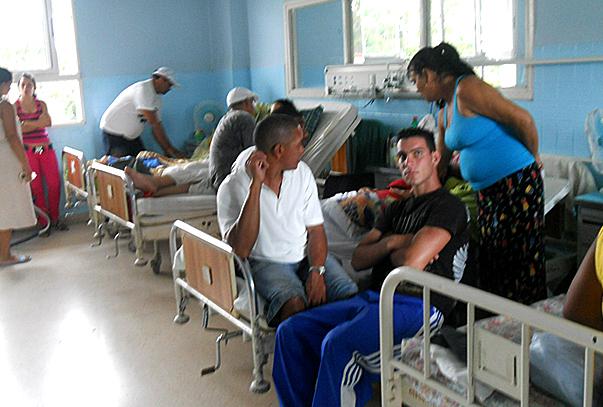
Cuba's once-celebrated healthcare system is experiencing a catastrophic breakdown as the United States tightens its oil embargo, leaving hospitals without power, medical equipment failing, and patients unable to receive critical care across the Caribbean island nation.
The deteriorating situation has forced the closure of 23 regional hospitals in the past month alone, according to internal Cuban Ministry of Health documents obtained by WestNet News. Power outages lasting up to 18 hours daily have rendered life-support equipment useless, while fuel shortages have crippled ambulance services and medical supply distribution.
"We are witnessing the systematic destruction of a healthcare system that once served as a model for developing nations," said Dr. Elena Rodriguez, a Cuban physician who recently fled to Miami. "Patients are dying not from their illnesses, but from our inability to provide basic medical services."
The crisis stems from the US administration's decision in January 2026 to expand sanctions targeting Cuba's energy sector, specifically blocking Venezuelan oil shipments that historically provided 60 per cent of the island's fuel needs. The embargo has reduced Cuba's daily oil imports from 120,000 barrels to fewer than 30,000 barrels, creating shortages that ripple through every sector of society.
Cuban hospitals, which require consistent electricity for refrigeration of vaccines and medications, dialysis machines, and surgical equipment, have been particularly vulnerable to the energy crisis. The Hermanos Ameijeiras Hospital in Havana, the country's flagship medical facility, has been operating on backup generators for weeks, with officials warning that generator fuel supplies are nearly exhausted.
"Children with cancer are being sent home because we cannot power the chemotherapy equipment. Dialysis patients are dying because we cannot maintain the machines. This is not politics—this is humanitarian catastrophe."
The situation has drawn sharp criticism from international medical organizations and human rights groups, who argue that the embargo's impact on healthcare constitutes a violation of international humanitarian law. The World Health Organization issued a rare statement this week calling for an immediate exemption of medical supplies and healthcare infrastructure from all economic sanctions.
Canadian Foreign Affairs Minister David Lametti expressed concern over the situation during a parliamentary session in Ottawa. "While we maintain our own sanctions against the Cuban regime, we cannot support measures that deliberately target civilian healthcare infrastructure," Lametti stated.
Cuba's government has appealed to Russia and China for emergency oil deliveries, but logistical challenges and fear of US secondary sanctions have limited international assistance. Venezuelan President Nicolas Maduro announced plans to defy US sanctions and resume oil shipments, though previous attempts have been intercepted by US naval patrols.
The healthcare crisis has accelerated an already significant exodus of Cuban medical professionals, with the American Medical Association reporting a 340 per cent increase in Cuban physician immigration applications since January. Many of these doctors previously served in Cuba's international medical missions, programmes that generated crucial foreign currency for the island's economy.
As the crisis deepens, Cuban civilians have begun organizing underground networks to share medications and medical supplies, while families with resources attempt to secure private healthcare in neighbouring countries. The collapse of Cuba's healthcare system represents not only a humanitarian disaster but also the end of one of the socialist government's most significant achievements and sources of international prestige.
The US State Department has defended the expanded sanctions as necessary pressure to promote democratic reform in Cuba, though critics argue that targeting healthcare infrastructure crosses ethical boundaries that could constitute collective punishment of the Cuban population.