


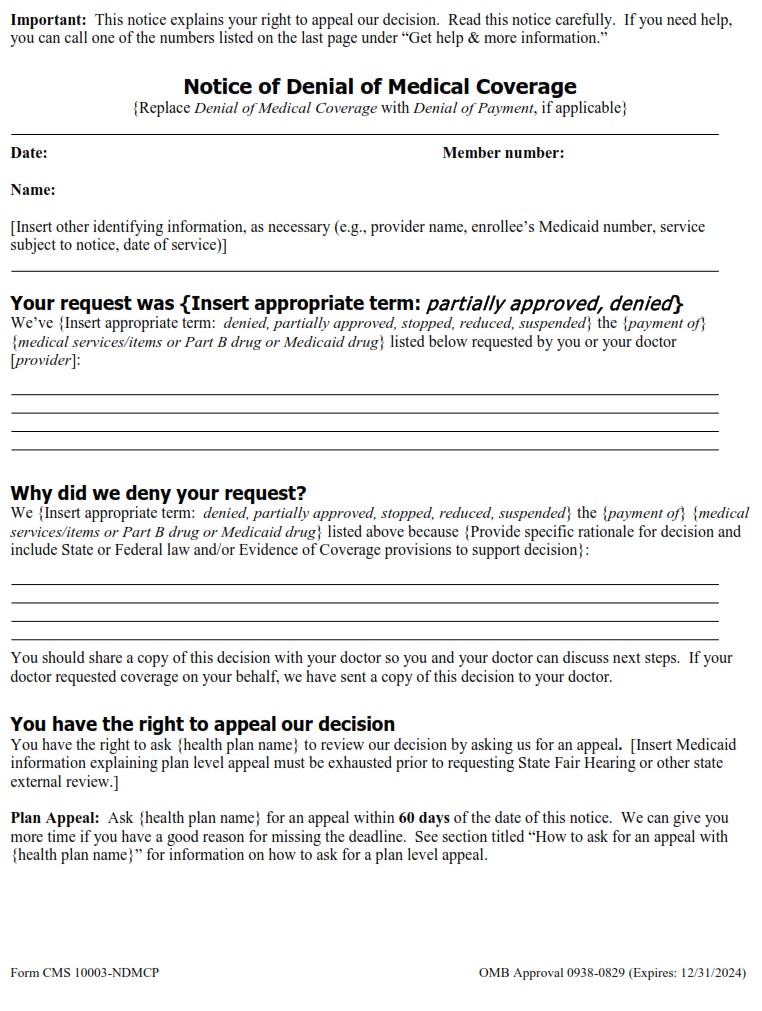
Healthcare denial battles are becoming a defining frustration for millions of North Americans. A recent survey found that 73 per cent of Americans view insurance claim denials and treatment delays as a significant obstacle to getting the care they need—a crisis that extends north of the border as Canadians face similar struggles with coverage approvals.
The problem is straightforward: insurance companies frequently reject coverage requests for medically-recommended procedures, leaving patients caught between their doctors' clinical judgment and corporate gatekeeping. Whether it's a specialist referral, diagnostic test, or surgical intervention, denials can delay critical care and force families into lengthy appeals processes.
A New Market Response to an Old Problem
Enter Sheer Health and similar advocacy firms that are capitalizing on consumer frustration by offering to fight insurance battles on clients' behalf. These companies position themselves as patient champions, taking on the administrative burden of appeals and coverage disputes. The service model is straightforward: rather than patients navigating complex insurance bureaucracies alone, professional advocates handle the heavy lifting.
The appeal is obvious. Most people lack the time, expertise, or emotional energy to challenge insurance denials after already being sick or injured. An insurance agent's form letter denying coverage can feel like a betrayal when a trusted physician believes treatment is necessary.
Questions Remain About Long-Term Solutions
While advocacy services offer immediate relief for individuals, experts suggest the underlying issue demands systemic reform. The fact that companies can build entire business models around fighting insurance denials speaks to a deeper dysfunction in how coverage decisions are made.
For Albertans and Canadians navigating provincial health systems alongside private insurance, the challenge takes on additional complexity. Public coverage gaps often force patients into private insurance territory, where the same denial battles await.
The question remains: Should patients need to hire third-party advocates to access care their doctors recommend, or is this a sign that insurance approval processes themselves require fundamental restructuring?
This story was adapted from reporting by CBS News.