


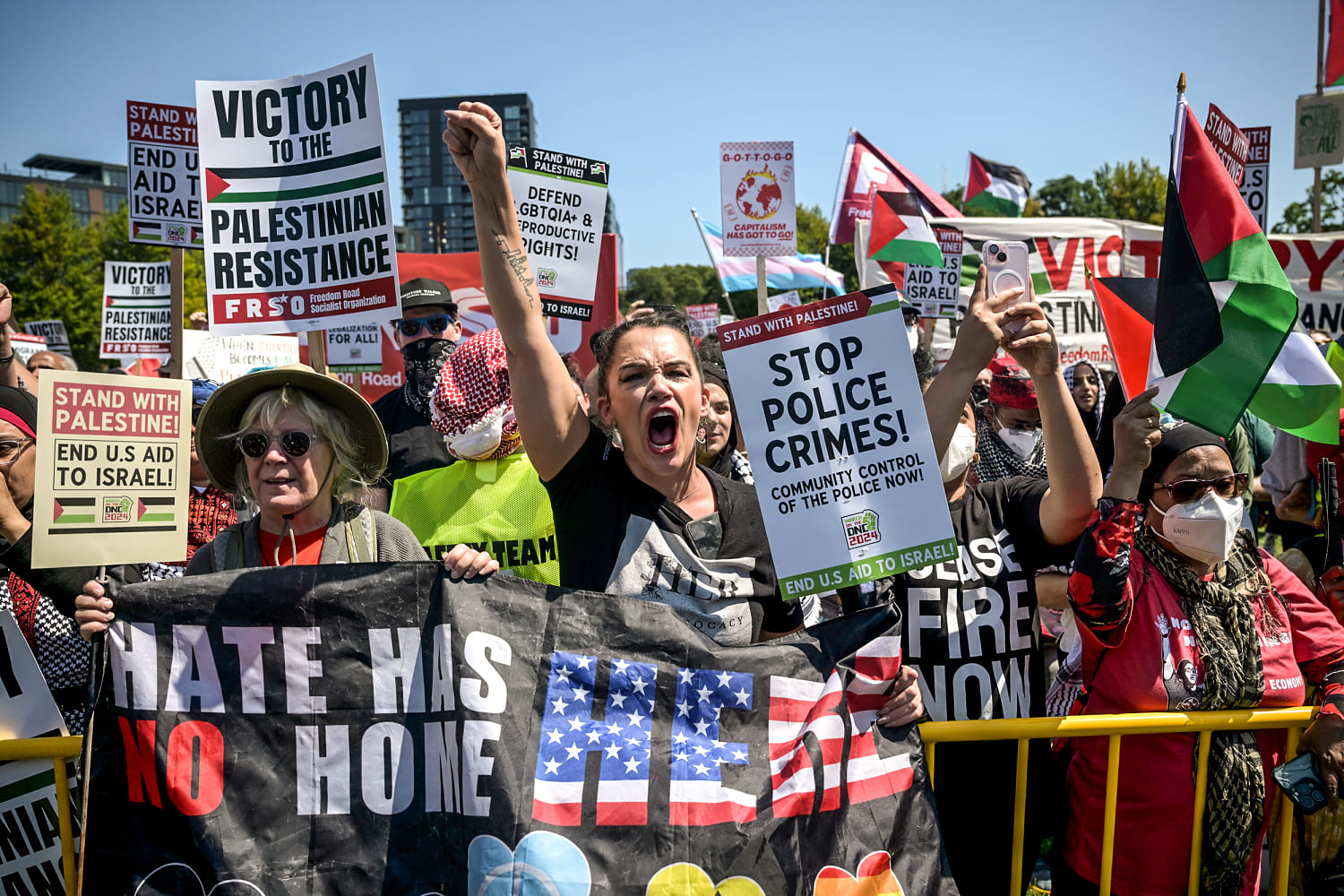
The Democratic National Committee's spring meeting descended into heated confrontations this week as party activists demanded symbolic stands on major advocacy issues, only to have party leaders return home to a starkly different message from voters: fix the economy.
Protesters disrupted DNC meetings, with some shouting demands that party leaders reject financial support from major pro-Israel advocacy groups and condemn specific military actions. Security escorted demonstrators from the meetings as the internal tension over foreign policy played out in real time.
Yet interviews with state party chairs, candidates, and elected officials painted a striking picture of disconnect between Washington activism and grassroots concerns. Across multiple states, the message was consistent: voters are struggling with immediate, tangible problems.
The Real Issues Voters Care About
North Carolina Democratic Party Chair Anderson Clayton described a state in crisis despite rapid growth. "The reality right now about North Carolina is it is the third-fastest-growing state in the country, and it is becoming more and more impossible for people to stay in the communities that they've grown up in and lived in, and costs are just rising every single day," Clayton said.
In Iowa, the struggle runs deeper. Rural hospitals and clinics are closing at alarming rates, and young families face impossible choices about staying in their home state. "It's about what's happening to people's inability to get ahead right now. It's the grocery prices. It's the gas going up. It's our rural hospitals closing down," said Iowa Democratic Party Chair Rita Hart.
South Carolina's Democratic leadership echoed the theme, citing affordability, healthcare access, and education as voters' top concerns. Measles outbreaks and gaps in Medicaid expansion have intensified healthcare anxiety in the state.
The Party Identity Problem
Michigan's Democratic Party Chair Curtis Hertel Jr. framed the challenge bluntly: the party must reclaim its identity as the champion of working people. "If you're worried about whether you can afford to pay rent next month, or whether you can afford groceries, the rest of it doesn't matter," Hertel said. "This is a matter of survival for a lot of people."
The disconnect comes at a precarious moment for Democrats. A March NBC News survey found just 30 per cent of registered voters view the Democratic Party positively, compared to 52 per cent who view it negatively. Republicans fared slightly better at 37 per cent positive, but still face 51 per cent unfavourable ratings.
Meanwhile, some focus groups observed by NBC News in Michigan and Maine revealed significant criticism of foreign policy decisions, with participants using strong language to describe their concerns about military actions abroad. Yet these same voters prioritized domestic economic struggles in open-ended conversations about their top concerns.
A Party at a Crossroads
As Democrats chart a course toward 2028, party strategists face a delicate balancing act. They must acknowledge the passions of activist bases while addressing the bread-and-butter issues that surveys and focus groups consistently identify as voters' primary worries.
Party leaders left their spring meeting without formal resolutions on contested issues, instead promising to refocus campaign messaging on economic themes that polls suggest resonate with the broader electorate.
This article is based on reporting from NBC News. Read the full original story at NBCNews.com.