


Iran's parliament speaker has issued a provocative warning to the United States, suggesting that current gasoline prices could soon seem like a bargain if tensions between the two nations continue to escalate.
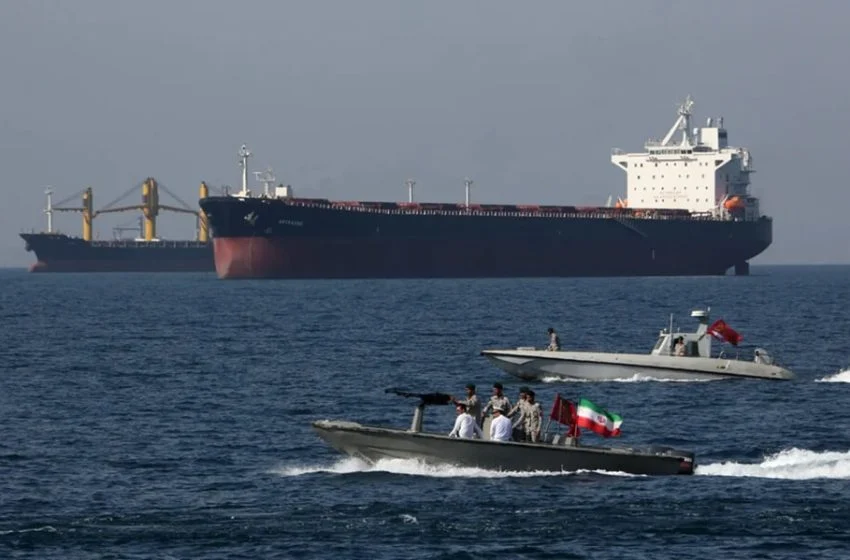
Mohammad Bagher Qalibaf made the inflammatory remarks following announcements of a potential blockade of the Strait of Hormuz, one of the world's most critical shipping passages for global oil supply. The statement underscores the high stakes involved in the ongoing geopolitical conflict between Washington and Tehran.
The Oil Market Connection
The Strait of Hormuz remains one of the most strategically important waterways on Earth. Roughly one-third of all global maritime petroleum trade passes through the narrow channel between Iran and Oman, making any disruption to shipping a potential economic earthquake for energy-dependent nations worldwide.
Qalibaf's comments come as oil prices have already begun reflecting concerns about potential supply disruptions. Any sustained blockade or military confrontation in the region could trigger dramatic increases in crude costs, translating directly to higher prices at the pump for consumers across North America and beyond.
Impact on Canadian and American Drivers
For Canadians and Americans already sensitive to fuel costs, the rhetoric from Tehran signals a potentially turbulent period ahead. Energy analysts warn that a significant supply shock from the Middle East could send gasoline prices substantially higher than the levels many drivers remember from previous price spikes.
"Americans would soon be nostalgic for $4 to $5 per gallon," Qalibaf said, according to reports of his statements.
The warning reflects Iran's messaging strategy—using oil leverage as a counterweight against American military and economic pressure. With global energy markets already volatile, such threats carry real weight in determining what consumers pay at the pump.
Broader Economic Implications
Beyond gasoline, disruptions to Middle Eastern oil supplies could cascade through entire economies. Inflation tied to energy costs ripples through transportation, manufacturing, and consumer goods pricing. For households already stretched by cost-of-living pressures, further fuel price increases would intensify financial stress.
The standoff highlights how geopolitical tensions thousands of kilometres away can directly affect your household budget and purchasing power—a reality that often escapes headlines focused on diplomatic posturing.
This report was based on coverage from CBS News.