


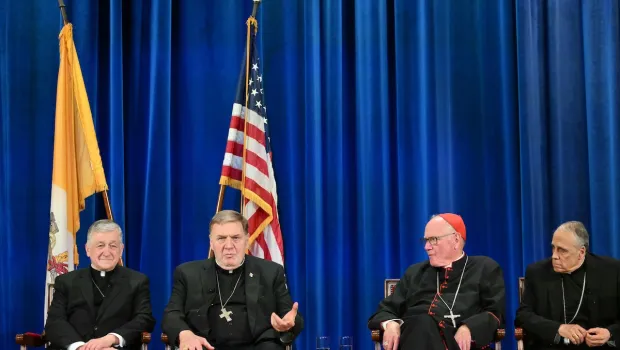
Prominent American Catholic cardinals are stepping into the political arena to voice concerns about potential military conflict with Iran and mass deportation initiatives, following months of papal advocacy on both issues.
The cardinals' statements represent a significant moment of institutional dissent within the U.S. Catholic hierarchy, with church leaders breaking from traditional political silence to address policies they view as incompatible with core Christian values of peace and human dignity.
The religious leaders have expressed alarm over the possibility of military action against Iran, citing the humanitarian costs of armed conflict and the risk of regional destabilization. They have simultaneously raised concerns about large-scale immigration enforcement operations, arguing that such policies contradict fundamental Christian principles regarding the treatment of migrants and vulnerable populations.
Papal Leadership on Global Issues
Pope Francis has been vocal on both fronts in recent months, issuing statements cautioning against warfare and advocating for humane immigration policies. His public positions have emboldened American cardinals to speak more forcefully on these contentious matters, breaking from a historically cautious approach to direct political commentary.
The interventions reflect broader tensions within American political and religious communities over the appropriate role of faith leaders in policy debates, particularly on matters of war and immigration that divide the nation along partisan lines.
Church officials have framed their statements not as partisan positions but as moral imperatives rooted in Catholic social teaching, which emphasizes the sanctity of human life and the dignity of all persons regardless of immigration status.
Growing Faith Community Opposition
The cardinal's coordinated messaging signals that religious institutions may play an increasingly visible role in opposition movements to administration policies in coming months. Several American dioceses have already begun preparing community resources to support immigrants and provide legal assistance.
The statements have drawn attention from both supporters who see them as necessary moral leadership and critics who argue religious institutions should remain removed from electoral and partisan politics.
This story is based on reporting from CBS News.