


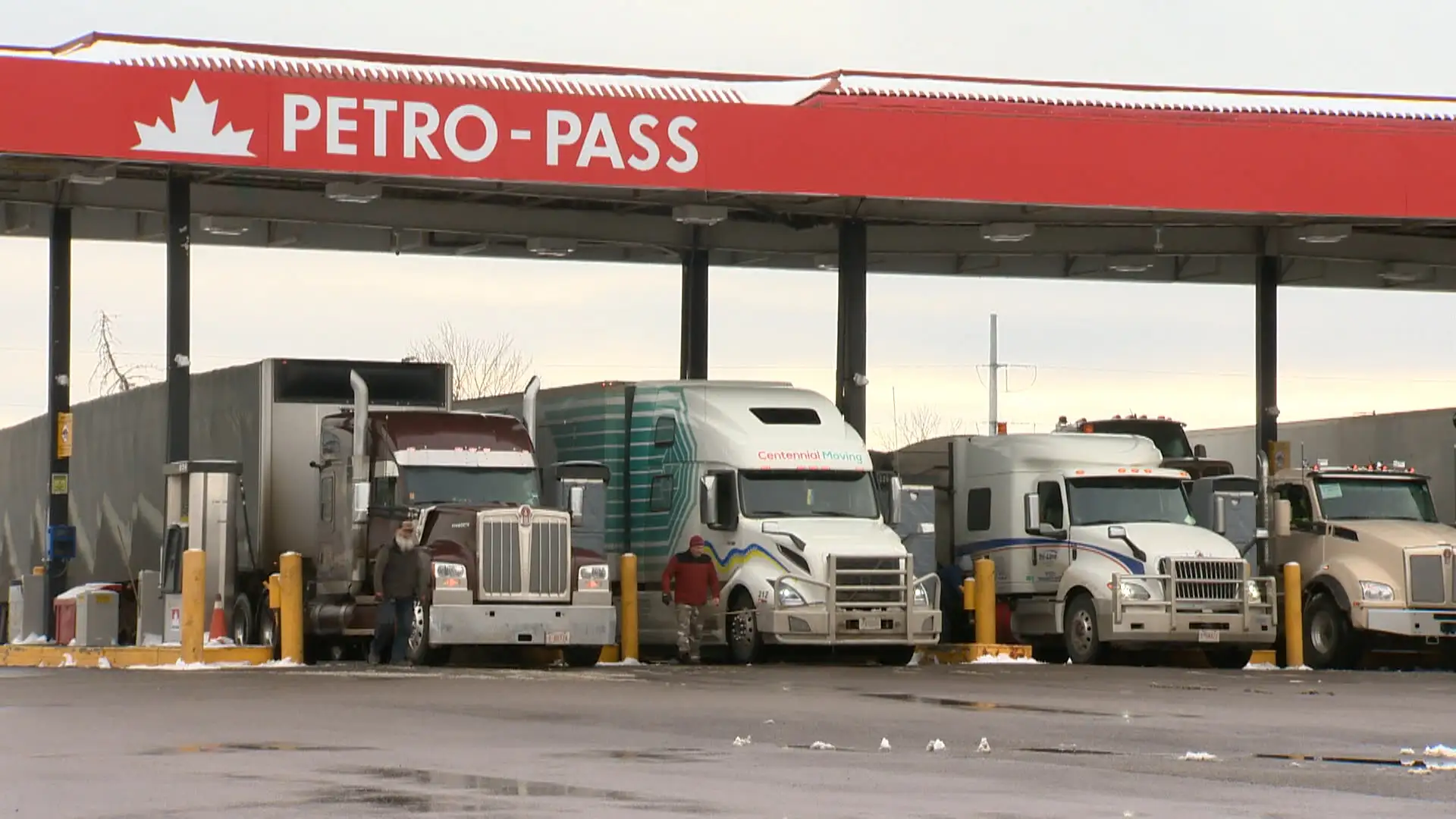
Canadian consumers and businesses face mounting pressure as diesel fuel prices skyrocket to unprecedented levels, with the national average reaching nearly $2.30 per litre — a staggering 50 per cent increase from just three months ago.
The dramatic price surge stems from ongoing conflict in the Middle East, which has severely disrupted oil shipments through the Strait of Hormuz, a critical waterway that handles approximately 25 per cent of global oil transport.
"It's unprecedented. We've never seen anything like this in the oil market or the refined products market and it's getting worse," said Calgary-based petroleum industry analyst Richard Masson.
The supply chain disruption has created a perfect storm for fuel markets. About 13 million barrels of oil per day normally transit through the Strait of Hormuz at the mouth of the Persian Gulf, but the closure has effectively halted shipments from the region over the past month.
Masson explained that tankers typically take three to four weeks to reach their destinations, meaning the full impact of the shipping disruption is only beginning to materialise at ports worldwide.
"The tankers that left four weeks ago just before the war started are just starting to unload at their destinations," Masson said. "Over the next few weeks, places that need those fuels aren't going to be getting them."
The refined products market has seen diesel prices reach $200 per barrel in some instances, with additional complications arising from export restrictions. China has banned exports of refined products, leaving regions like California scrambling to find alternative suppliers after shutting down multiple refineries.
Alberta Businesses Brace for Impact
Small business owners across Alberta are closely monitoring the situation, anticipating significant impacts on their operations if the conflict continues.
Ernie Tsu, representing the Alberta Hospitality Association and owner of Calgary's Trolley 5 Brewpub, acknowledged the inevitable effects on his industry.
"The price is going to affect freight and delivery, for sure," Tsu said. "We haven't seen it come down yet from the major suppliers. I'm sure it's going to."
Tsu admitted that restaurant menu prices may need to increase if freight and delivery charges continue rising. However, many establishments are adapting by strengthening partnerships with local farmers to reduce transportation costs while maintaining quality offerings.
"A lot of restaurants are working with local farmers in an effort to keep transportation costs down and still provide excellent products, and that helps massively," he noted.
The rising fuel costs are already impacting consumer spending patterns, with many Albertans tracking price fluctuations through resources like Calgary Prices to find the most affordable fuel options in their neighbourhoods.
Broader Economic Implications
The diesel price surge extends beyond individual consumers to affect the entire supply chain. Transportation companies, delivery services, and logistics operations are grappling with dramatically increased operating costs that will likely be passed on to consumers.
Local business discussions on platforms like Calgary Forums reflect growing concern about how sustained high fuel prices could impact everything from grocery delivery to construction projects.
For consumers considering vehicle purchases, the crisis has highlighted the importance of fuel efficiency. Services like FullVIN.com are seeing increased interest from buyers researching fuel-efficient vehicle histories as they prepare for potentially prolonged high fuel costs.
The hospitality and retail sectors, already recovering from pandemic impacts, now face additional pressure from rising operational costs. Property managers and real estate professionals are also monitoring the situation closely, as transportation costs directly affect property values and neighbourhood accessibility. Resources like CalgaryFinder.com are helping residents evaluate location choices based on proximity to services and transportation hubs.
Industry experts warn that if the Middle East conflict continues to disrupt global shipping routes, Canadian consumers should prepare for sustained higher prices across multiple sectors, not just at the fuel pump.
This article is based on reporting from Global Money.