


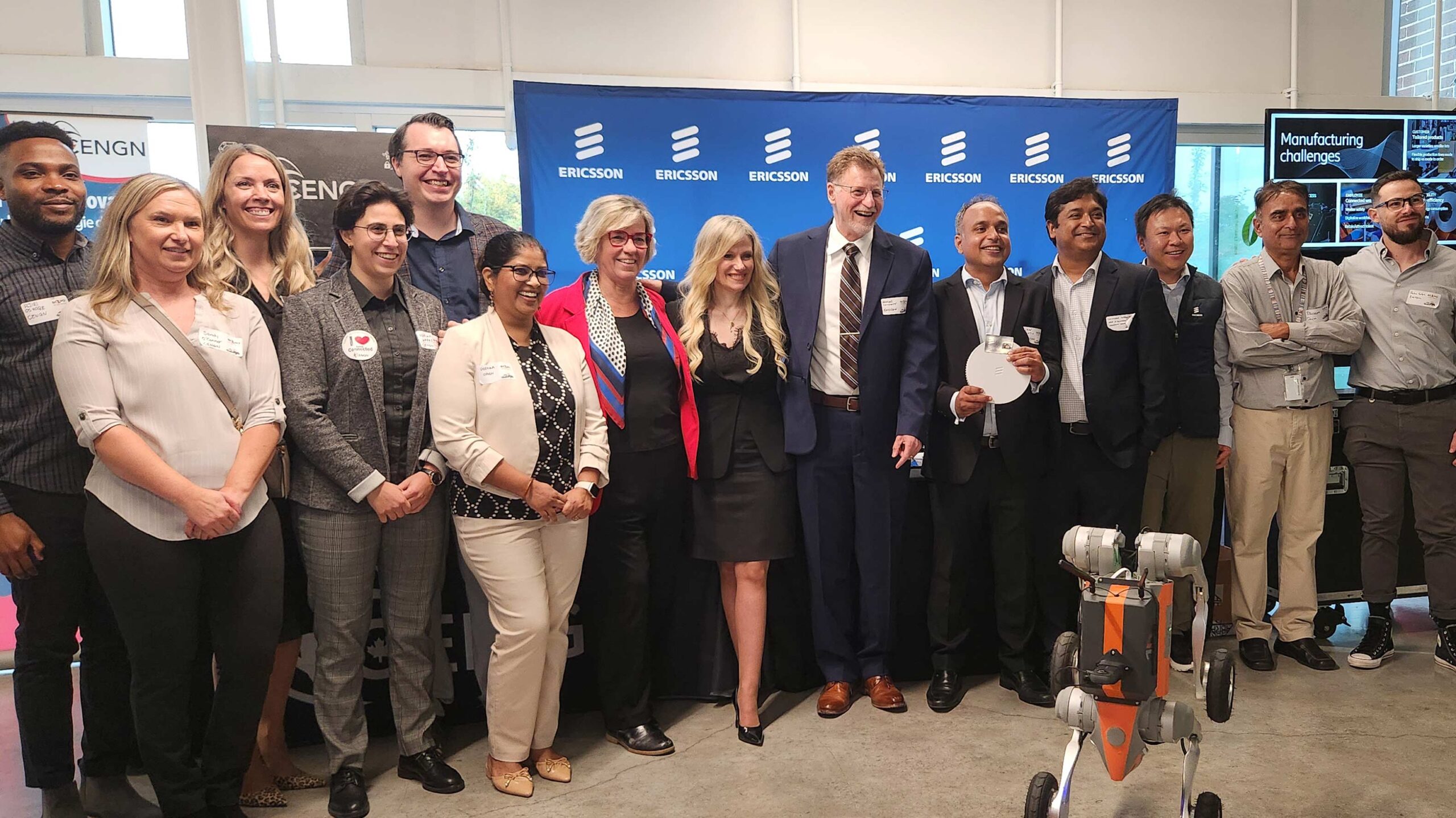
After four decades building the wireless technologies that connect millions of Canadians, Marcos Cavaletti has retired from his role leading Ericsson's Ottawa research and development facility—Canada's largest telecom innovation hub.
Cavaletti's career spans five generations of wireless technology, from the earliest 1G systems in 1980s Brazil to the cutting-edge 5G networks rolling out across Canada today. His journey in telecom began at Brazilian firm CPQD before he joined Nortel in Ottawa in 2003, expecting a one-year assignment. He stayed for 23 years.
"We do something that is a human basic need: communication. This has brought me a lot of energy and passion."
When Ericsson acquired Nortel following its 2009 bankruptcy, Cavaletti was among 2,500 Nortel employees who transitioned to the Swedish telecom giant. The move proved seamless. "I think the culture of the type of company that Ericsson is, and what Nortel was in terms of research and designing big systems, was very nice," Cavaletti told BetaKit. "We are always remembered as one of the best acquisitions in Ericsson."
Over the past six years leading the Ottawa facility, Cavaletti oversaw significant growth. The site added more than 500 employees, bringing headcount to around 1,700—making it Ericsson's largest North American research hub. The lab has been instrumental in helping Canadian carriers Bell, Telus, and Rogers deploy 5G networks nationwide.
Preparing for the Next Generation
Recognizing the wave of retirements among veteran Nortel engineers, Cavaletti prioritized knowledge transfer. He personally mentored between 15 and 20 employees over five years and established mentorship programs to ensure institutional knowledge reaches the next generation of innovators.
The Ottawa facility is already pivoting toward 6G technology, which Ericsson plans to commercialize by the early 2030s. The next-generation standard promises autonomous network operations and deeper integration of digital and physical worlds.
Tania Leppert, Ericsson Canada's Chief Technology Officer and a McGill University alumna with more than 20 years at the company, takes over as site lead. Like Cavaletti, Leppert has worked across multiple Ericsson locations globally.
As for Cavaletti's retirement plans? The engineer remained characteristically vague, suggesting more time with family, personal hobbies, and community involvement. After spending nearly a quarter-century helping build Canada's digital future, he's earned the break.
This story is based on reporting from BetaKit. Read the original article at BetaKit.com.