


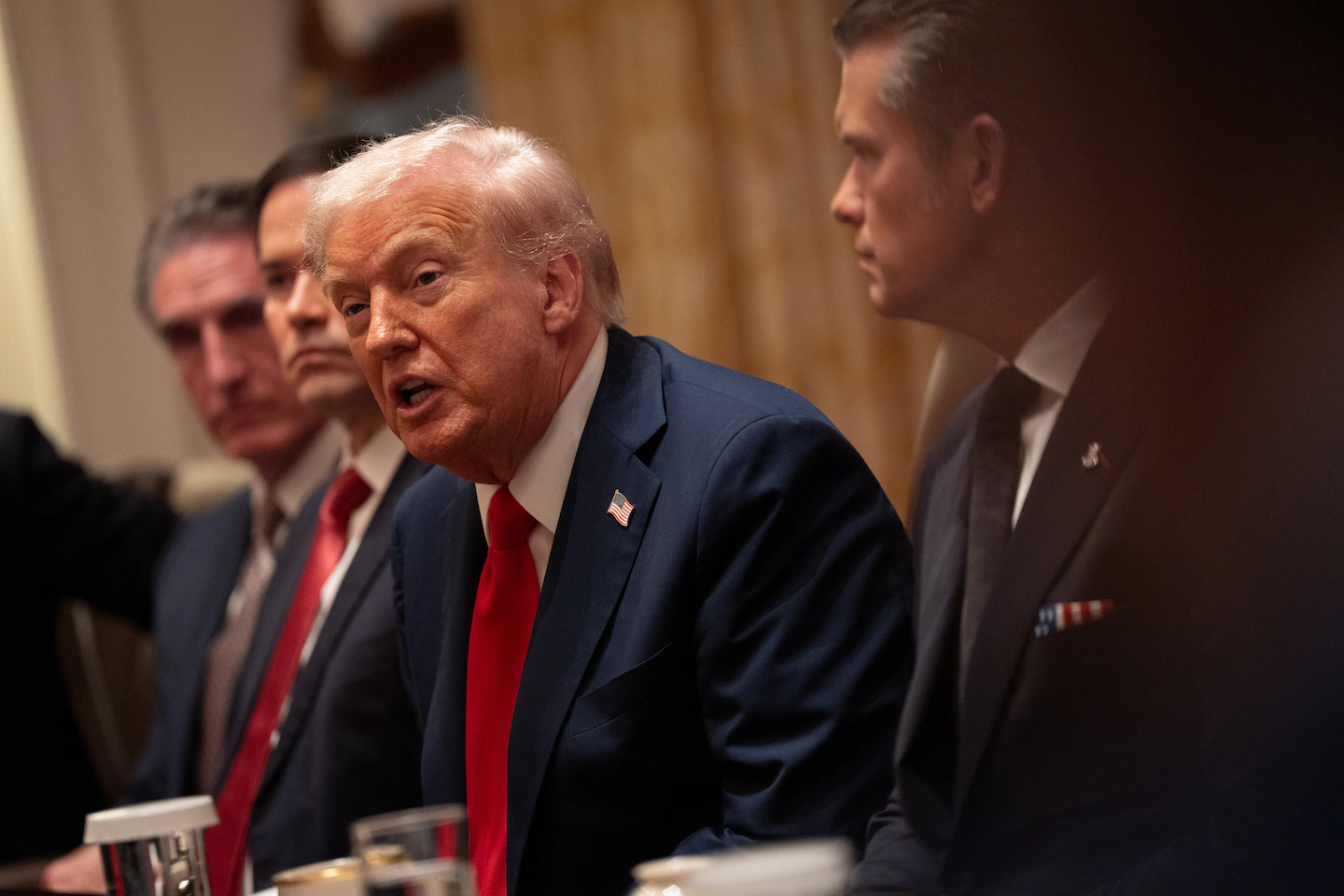
A fragile peace in the Middle East has been strengthened after Israel and Lebanon agreed to extend their ceasefire by an additional three weeks, U.S. President Donald Trump announced Thursday following high-level talks at the White House.
Israeli and Lebanese ambassadors to the United States met with Trump and senior American officials in the Oval Office, with both sides expressing optimism about the diplomatic progress. The extension comes as the initial 10-day ceasefire was set to expire Monday.
"The meeting went very well," Trump said in a post on his social media platform. "The United States is going to work with Lebanon in order to help it protect itself from Hezbollah."
Trump indicated he plans to meet in person with Israeli Prime Minister Benjamin Netanyahu and Lebanese President Joseph Aoun in the near future to advance negotiations toward a permanent settlement.
High-Level Diplomatic Engagement
The U.S. delegation included Vice-President JD Vance, Secretary of State Marco Rubio, Ambassador to Israel Mike Huckabee, and Ambassador to Lebanon Michel Issa, underscoring the significance Washington places on these negotiations.
Israeli Ambassador to the United States Yechiel Leiter expressed cautious optimism during the meeting. "We hope that together, under your leadership, we can formalize peace between Israel and Lebanon in the very near future," he told Trump.
Lebanese Ambassador Nada Hamadeh Moawad thanked the U.S. for its support. "With your help, with your support, we can make Lebanon great," she said.
Broader Peace Framework Emerging
Beyond the ceasefire extension, preparations are underway for comprehensive negotiations that would address several outstanding issues, according to Lebanese President Aoun. Future talks are expected to cover a full cessation of Israeli attacks, withdrawal of Israeli troops from Lebanese territory, release of Lebanese prisoners held in Israel, deployment of Lebanese forces along the border, and reconstruction efforts.
Israeli Foreign Minister Gideon Saar has emphasized that dismantling the Iranian-backed militant group Hezbollah remains central to any lasting peace agreement. "We don't have any serious disagreements with Lebanon. The obstacle to peace and normalization between the countries is one: Hezbollah," Saar stated during Independence Day remarks to Israeli diplomats.
He added that Lebanon could achieve "a future of sovereignty, independence and freedom from the Iranian occupation" if it works with Israel to address the Hezbollah threat.
Tensions and Challenges Remain
Despite diplomatic progress, tensions persist on the ground. The recent killing of a Lebanese journalist has strained ceasefire efforts and inflamed anger in southern Lebanon, where residents believe Israel is targeting civilians despite the truce. Canada has also become involved in the dispute, with Foreign Affairs Minister Anita Anand confirming that Canadian officials summoned Israel's ambassador to Canada to request a full investigation into the killing of a Canadian citizen in Lebanon.
The current conflict erupted after Hezbollah fired rockets into northern Israel, two days following Israeli and U.S. attacks on Iran. Israel responded with intensive bombardment and a ground invasion that captured dozens of towns and villages along the border.
This report is based on information from CBC World and The Associated Press.