


France is facing a critical moment in its fiscal recovery as international rating agencies warn that political gridlock could stall efforts to tackle the country's ballooning deficit.
Moody's Ratings, one of the world's most influential credit assessment firms, cautioned Friday that France's fractured parliament and the looming 2027 presidential race threaten to derail further budget repairs. The agency maintained France's Aa3 credit rating—seven notches above junk status and level with the United Kingdom—but signalled a negative outlook for the country's fiscal prospects.
"We continue to see significant risks that France's political parties will not be able to agree on further consolidation measures for 2027 and beyond," Moody's said in a statement, highlighting the core problem: a legislature so divided that passing budget legislation has become increasingly difficult.
Political Paralysis Takes Its Toll
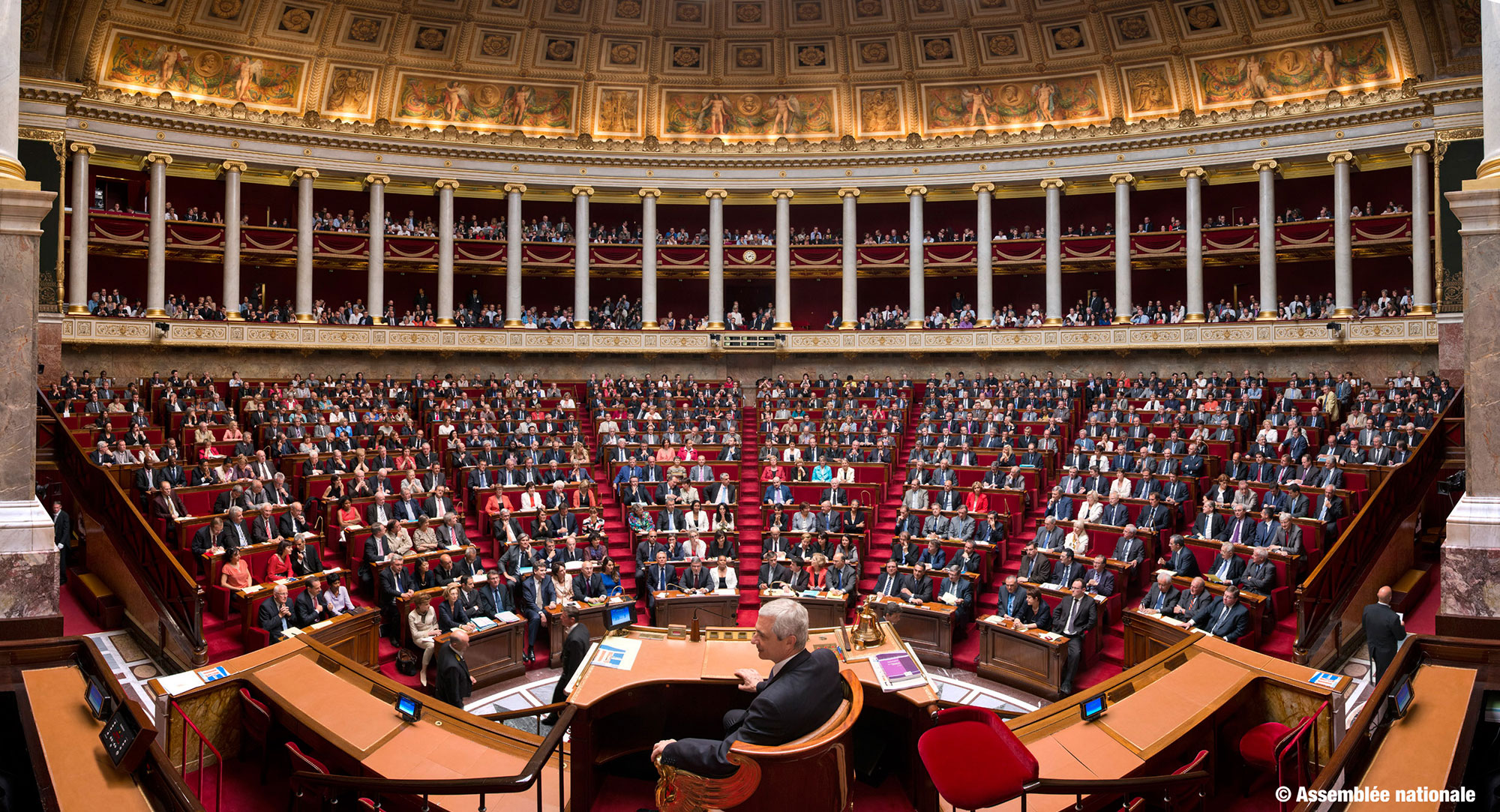
France has endured a series of rating downgrades since snap legislative elections in 2024 shattered the parliament into antagonistic blocs. That fragmentation has already toppled governments and stalled fiscal consolidation efforts—the painful but necessary spending cuts and revenue measures needed to reduce the deficit.
Prime Minister Sebastien Lecornu managed to push through a delayed 2026 budget in February, but the victory proved hard-won and the path forward remains uncertain. As political parties mobilize for the April 2027 presidential election, Moody's warns that negotiating positions will likely harden further, making consensus on financial discipline even more elusive.
The credit agency specifically flagged what it called the risk of "hardening" negotiating positions as parties prepare for the presidential race, making agreement on fiscal matters more difficult at precisely the moment France needs to show discipline.
The Deficit Challenge
France's deficit has swollen to levels that concern global financial markets and international institutions. Without political consensus on budget controls, the country risks further downgrades that could raise borrowing costs and complicate economic recovery across the European Union's second-largest economy.
Moody's outlook remains negative, reflecting ongoing concerns that "the fragmentation of France's political landscape will continue to impair the functioning of the country's legislative institutions." That warning carries weight far beyond Paris—France's fiscal health affects eurozone stability and has ripple effects across global markets.
For Canadian investors and observers watching European economic trends, France's struggle underscores how political dysfunction can undermine fiscal responsibility and create market uncertainty. It's a cautionary tale about the intersection of budget discipline and electoral politics.
This article is based on reporting from the Financial Post and Bloomberg.