


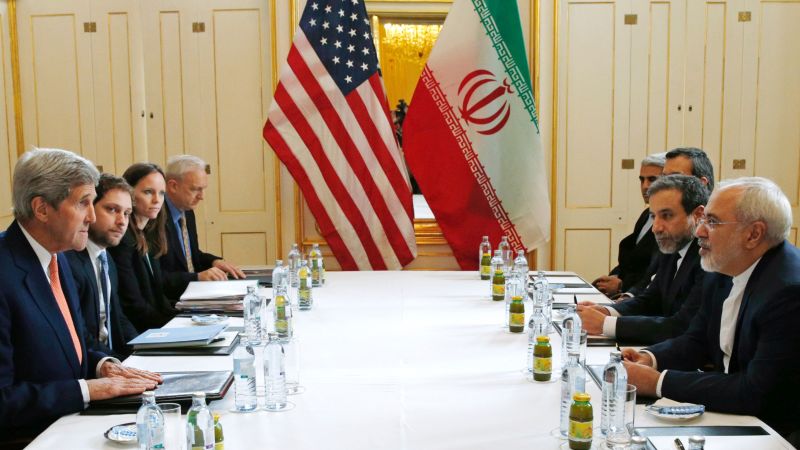
Intensive diplomatic negotiations between the United States and Iran have ended without agreement, dimming hopes for a swift resolution to a six-week conflict that has claimed thousands of lives and sent shockwaves through global energy markets.
The marathon talks, held in Pakistan over the weekend, failed to produce a breakthrough after Iran refused to commit to halting nuclear weapons development, according to US Vice President JD Vance. The negotiating team has returned to the United States empty-handed, marking a significant setback in efforts to broker lasting peace.
"We've made very clear what our red lines are, what things we're willing to accommodate them on, and what things we're not willing to accommodate them on," Vance told reporters in Islamabad on Sunday. "And they have chosen not to accept our terms."
Iranian state media characterized the US position as making "excessive" demands during the negotiations. However, a spokesman for Iran's Foreign Ministry suggested the door remains slightly ajar for future diplomatic efforts, indicating both sides may not have completely abandoned the negotiating table.
Energy Markets Braced for Volatility
The failed talks come at a critical moment for global energy stability. The conflict has already disrupted oil and gas supplies worldwide, and experts warn the breakdown in diplomacy could trigger significant market turbulence when trading resumes Monday.
The collapse of negotiations raises fresh questions about the sustainability of a fragile two-week ceasefire that was clinched just last week. US President Donald Trump has not yet publicly commented on the talks, though he posted about a naval blockade on his social media accounts.
Analysts note there were signs of increased maritime traffic through key shipping routes over the weekend, suggesting some commercial activity continued despite the diplomatic standoff. The broader economic impact remains uncertain as the conflict continues to disrupt international commerce and energy supplies that countless nations depend upon.
For Canadian businesses and consumers, prolonged uncertainty in global energy markets could have lasting ripple effects on fuel prices, heating costs, and supply chain stability across Alberta and the rest of the country.
This article is based on reporting from the Financial Post and Bloomberg.