


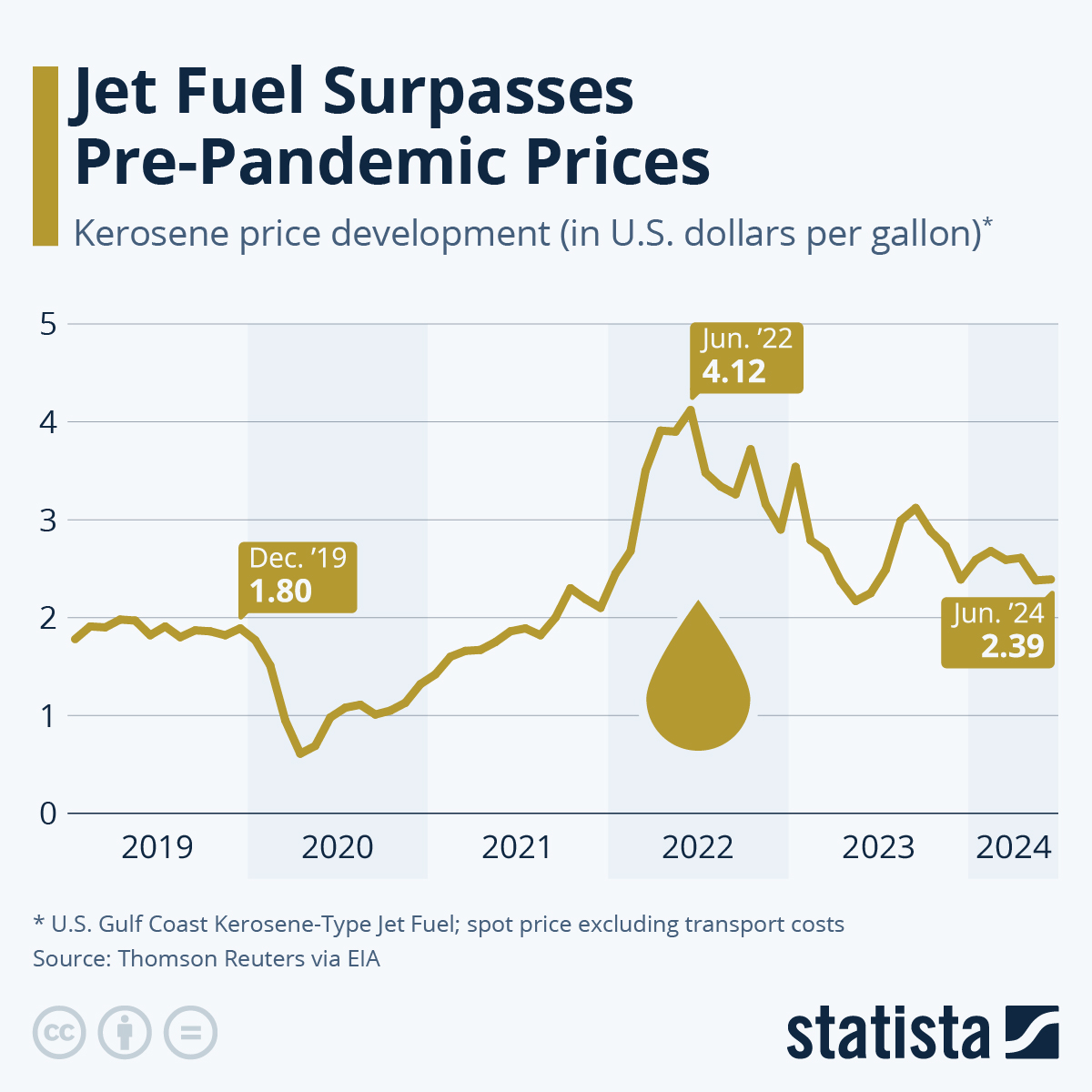
Albertans planning summer vacations should brace for sticker shock at the airport. Jet fuel prices have more than doubled since Middle East tensions escalated, and industry experts warn that tight global supplies could translate into sharply higher airfares over the coming months.
The International Energy Agency has flagged a critical concern: Europe may have only six weeks of jet fuel reserves remaining. That supply crunch is rippling across North America, where Canadian airlines are already grappling with soaring operating costs.
What This Means for Your Travel Plans
Travel industry analysts say passengers should expect airfare increases of 15 to 25 per cent above normal seasonal rates if fuel shortages persist. Business travellers and families booking last-minute summer trips will likely face the steepest price jumps.
"We're seeing airlines implement fuel surcharges on routes they haven't touched in years," explained one travel expert interviewed by CBC Edmonton. "The cost of a transatlantic flight could easily jump by $200 to $400 per ticket."
Book Early or Wait It Out?
Travel advisors are divided on strategy. Some recommend locking in fares now before prices spike further. Others suggest delaying non-essential trips until autumn, when fuel markets may stabilize and seasonal demand drops.
Domestic flights within Canada and Alberta will likely see modest increases compared to international routes, though no corner of the aviation market appears immune to the pressure.
The broader economic impact extends beyond airlines. Hotels, car rental companies, and tourism operators in Alberta are preparing for potential disruptions to travel patterns as consumers respond to higher airfares by cutting trips short or choosing closer destinations.
What Happens Next?
Energy markets remain volatile. If geopolitical tensions ease or alternative fuel supplies come online, prices could stabilize within weeks. If the crisis deepens, aviation could face its worst fuel crunch since the 1970s oil embargo.
Albertans should monitor airline announcements closely and consider travel insurance that covers fuel surcharge increases. Budget airlines are also worth comparing, as their lower margins sometimes result in delayed surcharge implementation.
This reporting is based on information from CBC Edmonton.