


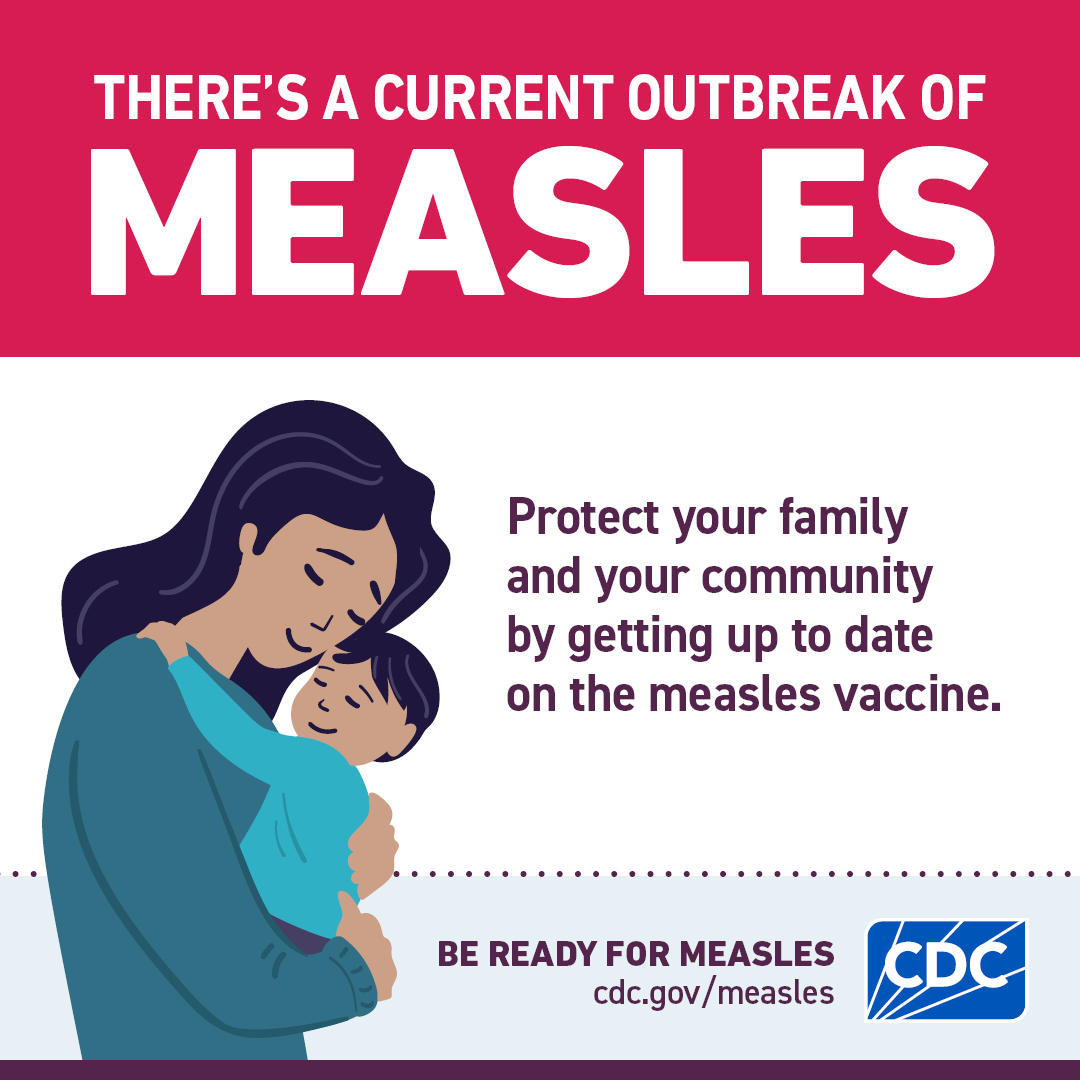
Manitoba health officials are issuing urgent warnings to parents planning spring break travel with their families, citing a significant increase in measles cases globally and the heightened risk of exposure during holiday travel periods.
Dr. Sarah Thompson, Manitoba's chief public health officer, announced during a Friday press conference that the province has documented three confirmed measles cases in the past month, all linked to international travel. The cases mark the highest number recorded in Manitoba since 2019, prompting health authorities to take proactive measures ahead of the busy spring break travel season.
"We're seeing measles outbreaks in multiple countries that are popular spring break destinations," Thompson said. "Parents need to ensure their children are properly vaccinated before travelling, and adults should verify their own immunity status."
The warning comes as health data shows measles cases have surged by 400 per cent globally compared to the same period last year, with significant outbreaks reported in parts of Europe, Asia, and the Caribbean. Popular spring break destinations including Mexico, several European Union countries, and parts of the United States have reported increased measles transmission.
Manitoba Health is particularly concerned about vaccine hesitancy that developed during the COVID-19 pandemic, which has left some children behind on routine immunizations. Provincial immunization rates for measles-mumps-rubella (MMR) vaccine dropped to 87 per cent in 2024, below the 95 per cent threshold needed for community protection.
"Measles is one of the most contagious diseases we know," explained Dr. Jennifer Walsh, pediatric infectious disease specialist at Children's Hospital of Winnipeg. "One infected person can spread it to up to 18 others in a confined space like an airplane. The virus can remain airborne for up to two hours after an infected person leaves a room."
Health officials are recommending that families travelling during spring break ensure children receive their first MMR dose at 12 months and the second dose between 18 months and six years of age. Adults born after 1970 who cannot provide proof of vaccination or immunity should receive at least one dose of MMR vaccine.
The province has established additional vaccination clinics in Winnipeg, Brandon, and Thompson to accommodate families seeking immunization before travel. Appointments can be booked through Manitoba Health's online portal or by calling local public health offices.
Parents are also being advised to watch for measles symptoms, which include high fever, cough, runny nose, red watery eyes, and a distinctive red rash that typically begins on the face and spreads downward. Anyone experiencing these symptoms after travel should contact their healthcare provider immediately and mention their travel history.
Thompson emphasized that measles complications can be severe, particularly for infants, pregnant women, and individuals with compromised immune systems. "We've seen hospitalizations, pneumonia, and brain inflammation from measles," she said. "Prevention through vaccination remains our most effective tool."
The health department is working with travel agencies and schools to distribute information about vaccination requirements and recommendations for popular spring break destinations. Several Manitoba school divisions have already sent notices to parents emphasizing the importance of up-to-date immunizations before travel.
Manitoba Health officials stress that vaccination not only protects individual families but also helps maintain community immunity levels that protect vulnerable populations who cannot be vaccinated due to medical conditions.