


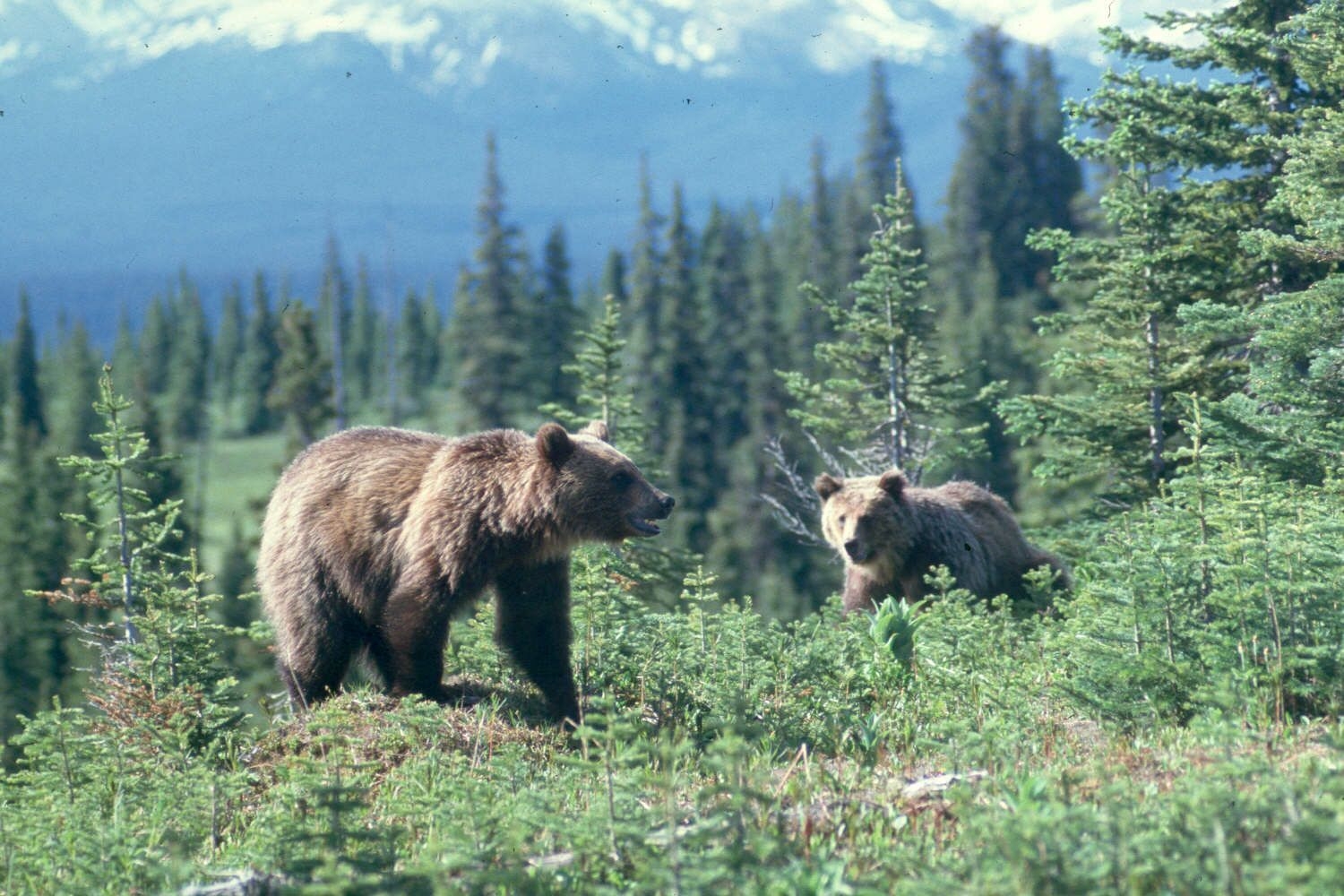
A push to reopen grizzly bear hunting in Alberta for the first time in two decades is colliding with a hard truth: provincial wildlife officials haven't conducted a comprehensive population study since 2018, leaving conservationists questioning whether the proposal rests on solid ground.
Last month, the Rural Municipalities of Alberta (RMA)—representing more than 60 counties and municipal districts across the province—voted to urge the provincial government to establish a regulated grizzly bear hunt through a draw system. The move came amid reports of escalating human-wildlife conflicts in southwestern Alberta, including an incident last summer where a fisherman was injured by a grizzly with cubs near Cardston.
The Data Gap Problem
But conservation advocates are sounding the alarm about a critical gap in the province's wildlife knowledge. Ruiping Luo, conservation specialist with the Alberta Wilderness Association, stressed the stakes during an interview with CBC News.
"We don't have current updated population numbers for what the grizzly bear population looks like here," Luo said. "All of our population estimates are from eight years ago, or older."
The RMA's hunting proposal relies partly on a 2016 study suggesting high population density in southwestern Alberta—but that data is nearly a decade old. Without recent monitoring, Luo argues, any decision to hunt bears amounts to educated guessing at best.
"All the information we have on what the grizzly bear population looks like right now is mostly speculation and assumptions," Luo explained. "We don't have the monitoring data to justify that grizzly bear numbers are increasing."
Conservation Groups Demand Science-First Approach
The Alberta Wildlife Federation has taken a measured stance, saying it could support limited hunting if such action were backed by rigorous science and built into a comprehensive management plan.
"The regulated hunt would need to be based on sound science that reflects the need to sustain the grizzly bear population while balancing the societal needs for human safety and protection of property," the federation stated.
The province's Ministry of Forestry and Parks has not directly addressed the hunting proposal, instead emphasizing that its management strategy "is guided by science and expert advice, with a focus on maintaining public safety, reducing conflicts, and maintaining sustainable grizzly bear populations."
Rural Concerns Meet Conservation Reality
The RMA's push reflects legitimate concerns from rural Albertans. Cardston County cited "a significant increase in human-bear interactions" as justification for the resolution. In 2024, the RMA also requested provincial funding increases specifically for managing problem bears—a request that went unmet.
Yet conservation groups insist that public safety and wildlife protection need not be mutually exclusive—but decisions of this magnitude demand current data. Without fresh population studies, expanding hunting seasons remains premature, they argue.
The outcome could determine how Alberta balances rural safety concerns with wildlife conservation for years to come. For now, the question remains: will the province commit to updated grizzly research before opening a hunting season?
This story is based on reporting from CBC Tech. For the full original report, visit CBC News.