


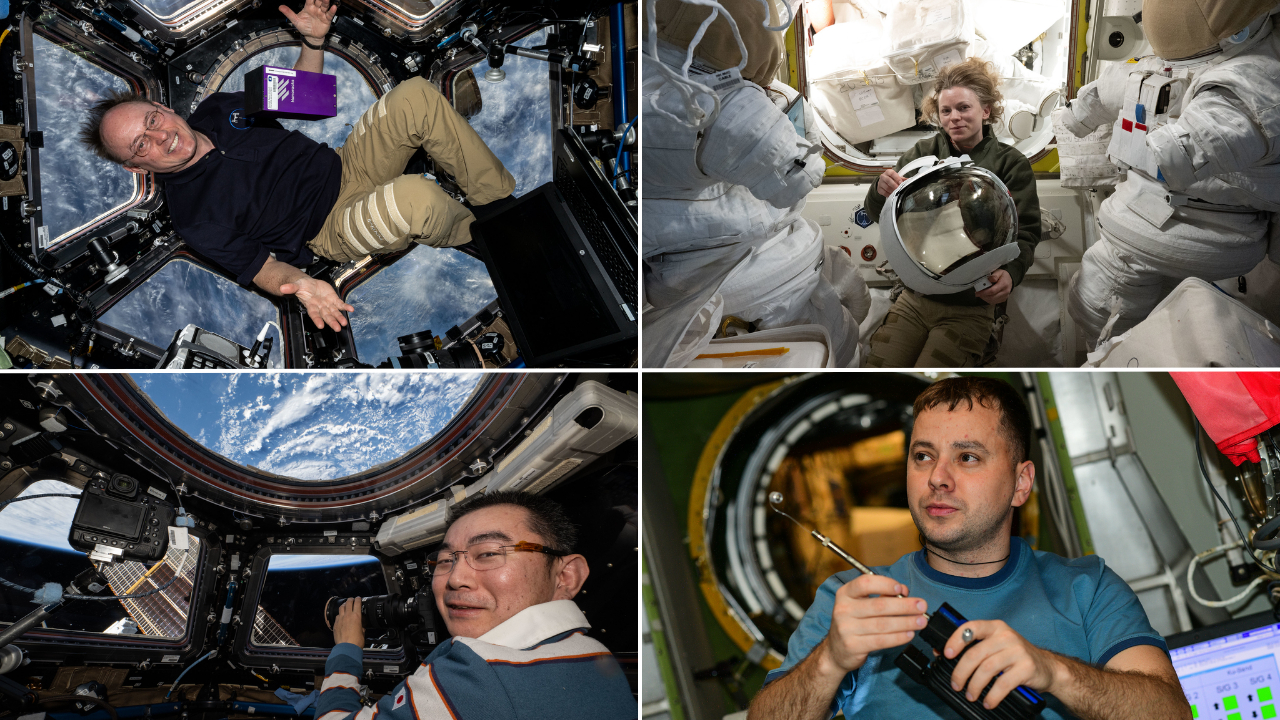
NASA officials remain tight-lipped about a mysterious medical emergency involving astronauts aboard the International Space Station, with the incident continuing to baffle investigators more than six months after it occurred.
The undisclosed medical event, which sources indicate happened during a routine mission in late 2025, prompted immediate consultation with flight surgeons on Earth and raised serious questions about astronaut health monitoring in space.
"We take all crew health matters extremely seriously, but we cannot comment on specific medical details due to privacy considerations," said NASA spokesperson Maria Rodriguez during a press briefing. "Our medical teams continue to review all aspects of crew health protocols."
The incident reportedly involved multiple crew members experiencing unexplained symptoms that did not match any known space-related medical conditions catalogued in NASA's extensive database of astronaut health issues.
Growing Concerns Over Space Medicine
Space medicine experts have expressed growing concern about the gaps in understanding how extended space travel affects human physiology, particularly as NASA prepares for longer missions to the Moon and eventually Mars.
Dr. Sarah Chen, a former NASA flight surgeon who now works in private practice, emphasized the critical nature of understanding all potential health risks. "Every unexplained medical event in space teaches us something crucial about human adaptation to the space environment," Chen said. "Transparency in these cases, while respecting privacy, is essential for advancing space medicine."
The International Space Station has been continuously occupied for over 25 years, with astronauts typically spending six-month rotations aboard the orbital laboratory. During this time, crew members undergo extensive medical monitoring and participate in numerous health-related experiments.
Sources familiar with the situation indicate that the affected astronauts have since returned to Earth and are reported to be in good health, though the specific nature of their space-based medical emergency remains classified.
The mystery has sparked discussions within the space medicine community about the need for better real-time diagnostic capabilities aboard spacecraft, particularly as missions venture further from Earth where immediate medical evacuation becomes impossible.
NASA has committed to conducting a thorough review of all medical protocols and monitoring systems used during International Space Station operations, though officials have not provided a timeline for when findings might be made public.
The space agency continues to emphasize that astronaut safety remains its top priority as it prepares for the next phase of human space exploration, including the Artemis lunar program and eventual crewed missions to Mars.