


U.S. President Donald Trump continues to rail against NATO, threatening withdrawal and accusing allies of abandoning America. Yet despite the inflammatory rhetoric and dramatic headlines, the 75-year-old alliance remains far too entangled to simply dissolve—and neither Washington nor Europe actually wants it to.
This week alone saw another round of Trump fury. After NATO members refused to join an American-Israeli military campaign against Iran, Trump told Reuters he was "absolutely" considering pulling out. His press secretary then declared NATO "tested and they failed," saying member nations had "turned their backs on the American people."
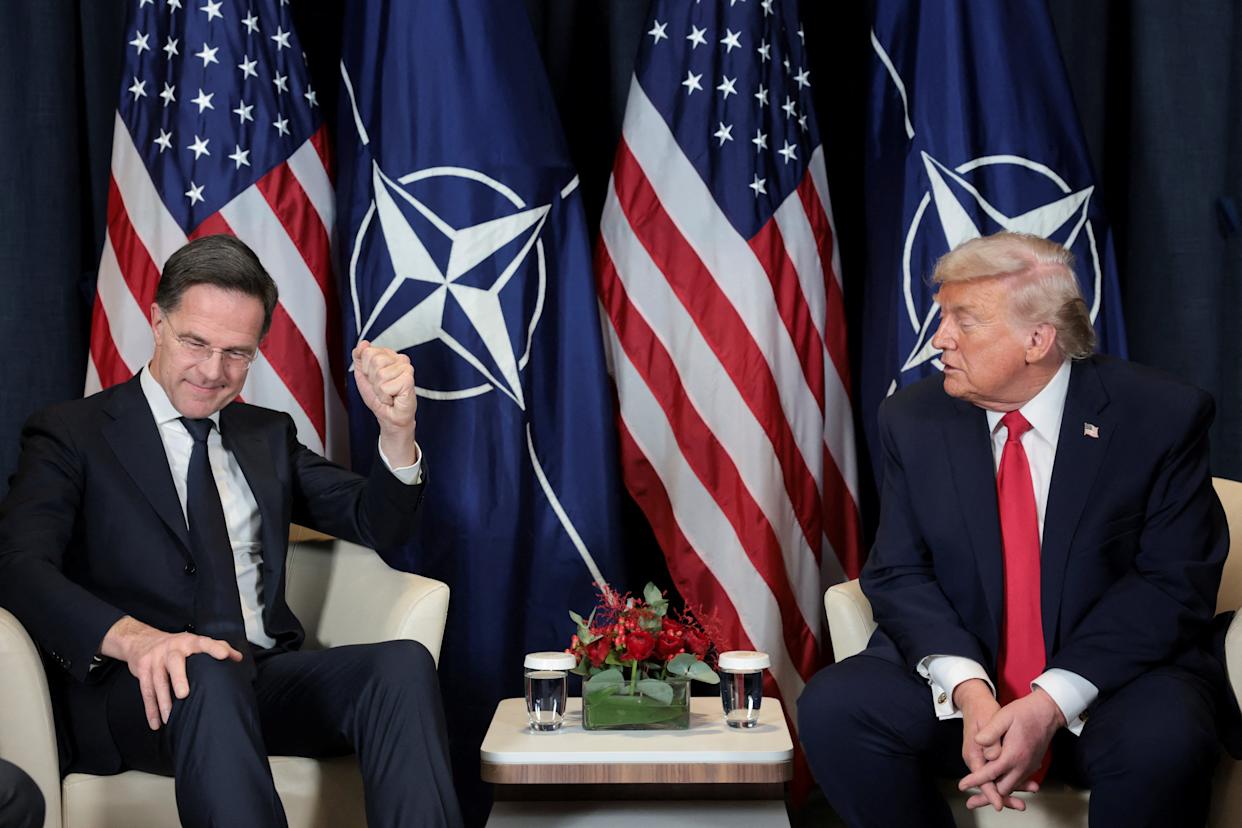
But when Trump actually met with NATO Secretary General Mark Rutte on Wednesday, the predicted earthquake didn't materialize. Instead of dramatic action, Trump posted to Truth Social: "NATO WASN'T THERE WHEN WE NEEDED THEM."
The pattern repeats: threats, speculation, then a muted outcome. According to Kerry Buck, Canada's former ambassador to NATO, there's a crucial distinction between Trump punishing individual allies and dismantling the entire alliance.
"He could be aiming at punishing the individual allies who he felt didn't do enough, in which case that's par for the Trump course and doesn't necessarily do damage to NATO," Buck explained. "The problem is he's linking it to NATO repeatedly in his rhetoric, so he's already doing damage to the organization as such."
Buck notes that Trump's anger may target specific countries rather than the alliance itself—a calculated move that differs fundamentally from actually leaving NATO or dismantling it.
Why Breaking Up Is Hard to Do
A genuine U.S. withdrawal would require concrete steps: formal legal action, treaty termination, or major votes within the alliance framework. None appear imminent. The military interdependencies are too deep, the geopolitical stakes too high, and the strategic interests too aligned on both sides of the Atlantic.
Europe depends on American military power and nuclear deterrence against Russian aggression. America benefits from forward bases, intelligence sharing, and burden-sharing on global security. Despite Trump's complaints that European nations don't spend enough on defence, most NATO members have increased military budgets significantly in recent years.
The real danger, analysts suggest, isn't a dramatic divorce but a slow erosion of trust. Weakened confidence could embolden Russia, fray the alliance's deterrent effect, and create fractures without ever triggering a formal breakup. That outcome—a NATO that exists on paper but lacks cohesion—poses risks greater than an honest separation.
For now, Trump's rage appears rhetorical rather than actionable. Whether that changes depends on events he cannot entirely control.
This article is based on reporting from CBC News. Read the original analysis by Murray Brewster at CBC News.