


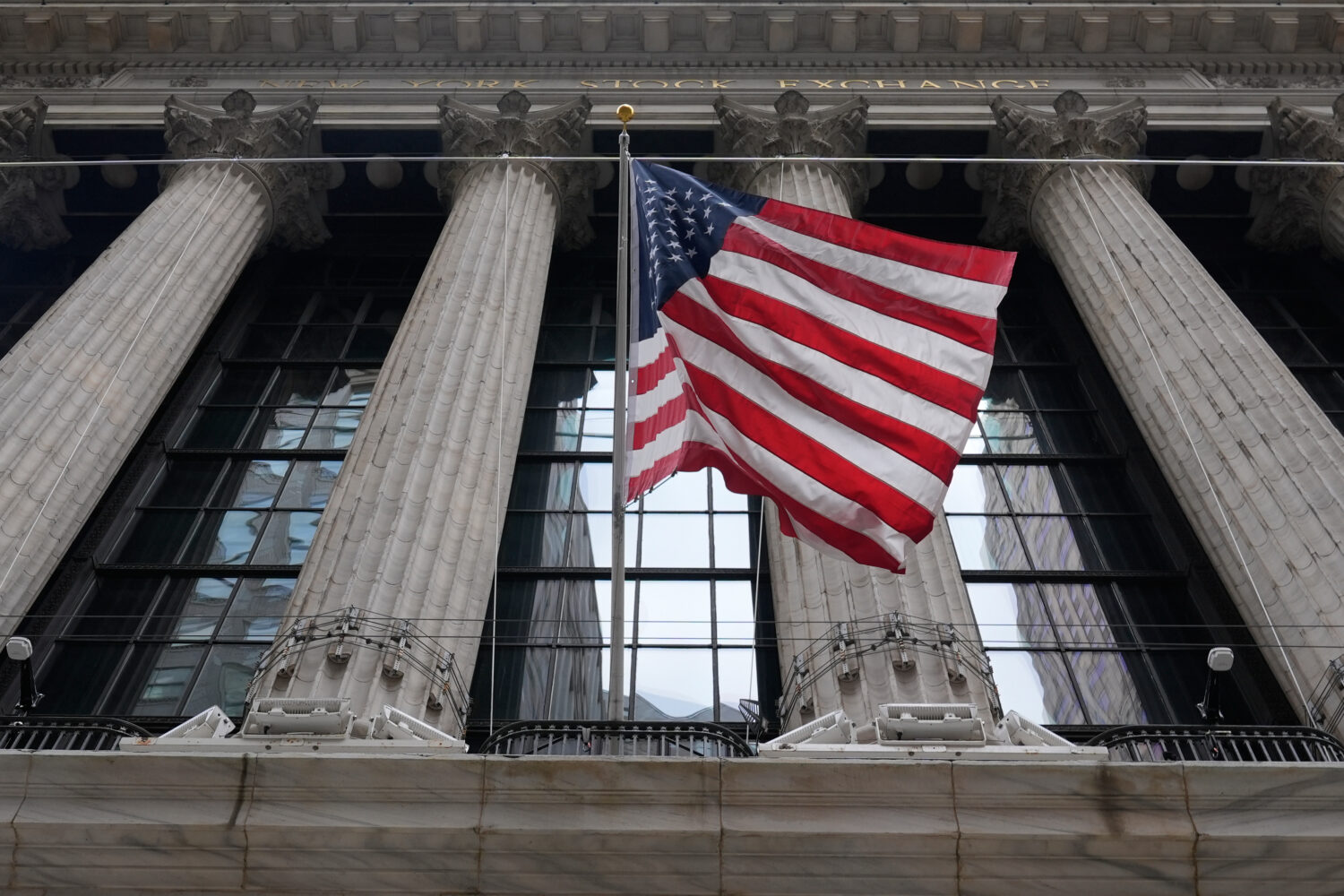
Stock markets surged worldwide on Wednesday and oil prices pulled back from recent highs as investors latched onto fresh — if disputed — signs that the war with Iran may be nearing an end. The optimism, however, came with familiar caveats: the conflict continues, and the signals driving the rally are already being contradicted.
The S&P 500 climbed 0.7 per cent, extending a strong run from Tuesday that marked the index's best single-day gain since last spring. The Dow Jones Industrial Average added 224 points, or 0.5 per cent, while the Nasdaq composite rose 1.2 per cent. European and Asian markets posted even larger gains, with South Korea's index surging 8.4 per cent as those markets caught up to Tuesday's Wall Street rally.
Trump Claims Iran Sought Ceasefire — Tehran Denies It
Shortly before markets opened Wednesday, U.S. President Donald Trump posted on his social media platform claiming Iran had asked the United States for a ceasefire. "We will consider when Hormuz Strait is open, free, and clear," Trump wrote. "Until then, we are blasting Iran into oblivion or, as they say, back to the Stone Ages!!!"
Iran's Foreign Ministry spokesperson Esmail Baghaei swiftly rejected the claim, calling it "false and baseless" in remarks broadcast on Iranian state television. The contradiction did little to calm markets, which have grown accustomed to whiplash-inducing swings between hope and despair since the conflict began.
Earlier optimism had been fuelled in part by a report quoting Iran's president as saying the country has "the necessary will to end the war," provided certain conditions were met — including "guarantees to prevent a recurrence of aggression." Trump had also said late Tuesday that the U.S. military could conclude its offensive within two to three weeks.
Oil Prices Ease but Remain Elevated
Brent crude, the international benchmark, hovered around $101 US per barrel Wednesday — down from recent highs but still well above the roughly $70 per barrel seen before the war began. U.S. gasoline prices climbed again overnight to a national average of $4.06 US per gallon, according to the auto club AAA.
The core fear driving market anxiety remains unchanged: a prolonged conflict could keep oil and natural gas supplies bottled up in the Persian Gulf, triggering a severe inflationary shock to the global economy. Iran continues to maintain a stranglehold on the Strait of Hormuz, through which approximately one-fifth of the world's traded oil flows in peacetime.
Fighting Continues Despite Diplomatic Signals
On the ground, the war showed no signs of abating. Iran struck an oil tanker off the coast of Qatar and targeted Kuwait's airport on Wednesday, while airstrikes continued to pound Tehran. The mixed picture — diplomatic signals on one hand, active combat on the other — has defined the conflict's impact on global markets since it began.
"De-escalation hopes have given markets a lift, but we think the effects of the war would, in many cases, persist even if the war did end soon," said Thomas Mathews, head of markets, Asia Pacific at Capital Economics.
Analysts note that even a ceasefire would not instantly resolve the supply disruptions, infrastructure damage, and geopolitical uncertainty that have accumulated since the conflict began. Markets have repeatedly rallied on peace signals only to reverse sharply when fighting resumed or diplomatic efforts collapsed.
For Canadian energy producers and consumers alike, the situation bears close watching. Elevated global oil prices have downstream effects on fuel costs, inflation, and the broader economy — factors already being felt at pumps and grocery stores across the country.
Source: CBC World. This article is based on reporting by The Associated Press via CBC News.