


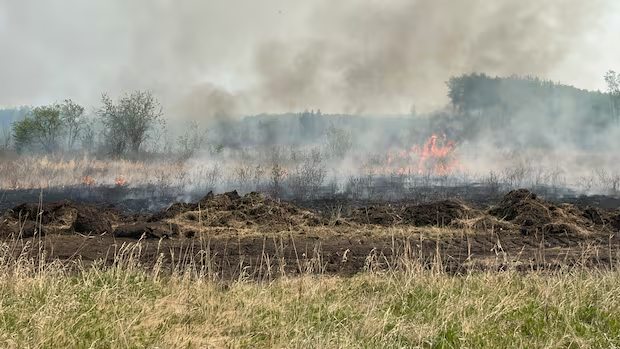
A northern Alberta Indigenous community is demanding accountability from the provincial government after a massive wildfire devastated the region three years ago, destroying homes, timber resources, and culturally significant lands.
The East Prairie Métis Settlement filed amended court documents in late April, alleging the Alberta government failed to adequately respond to the 2023 Grizzly Complex Wildfire and prioritized protection of non-Métis properties while leaving the settlement vulnerable to destruction.
The lawsuit claims that roughly 90 per cent of the settlement's land burned during the disaster, with 54 homes and outbuildings reduced to ash. The fire also destroyed numerous sites critical to the community's way of life — areas traditionally used for gathering medicines, hunting, and trapping.
A Perfect Storm of Neglect
Court documents reveal the conditions were ripe for disaster. The Slave Lake Forest Area faced an "extreme" fire danger rating as May 2023 approached, combined with dangerously low snowpack, severe drought conditions, and powerful winds sweeping through the region. The Grizzly Complex Wildfire burned out of control for nearly two months, from early May through the end of June, ultimately scorching more than 180,000 hectares across the Slave Lake Forest Area.
The settlement, located approximately 165 kilometres east of Grande Prairie and 400 kilometres northwest of Edmonton, argues the province lacked sufficient firefighters and resources to mount an effective response when the fire erupted. The lawsuit further alleges that initial firefighting efforts and communication with the community were inadequate — a critical failure that residents say amounted to systematic neglect.
"Alberta's government is committed to protecting communities and supporting Albertans impacted by wildfires through prevention, preparedness, response and recovery efforts across the province," Alberta's Office of the Minister of Justice stated in response to CBC Edmonton on August 20.
The province has declined to comment further while the legal matter proceeds through the courts. No statement of defence has been filed, and none of the allegations have been tested before a judge.
A Community's Fight for Justice
The East Prairie Métis Settlement's legal action represents a broader conversation about Indigenous communities' access to emergency protection and resources during natural disasters. Residents took their own protective measures during the crisis, conducting controlled burns throughout the settlement to eliminate dry grass and reduce fire risk — efforts that underscored how communities often must fend for themselves.
The case highlights critical questions about equity in disaster response and whether provincial emergency protocols adequately address the needs of Indigenous settlements during catastrophic events.
This report is based on a story from CBC Edmonton. No statement of defence has been filed, and none of the allegations have been tested in court.