


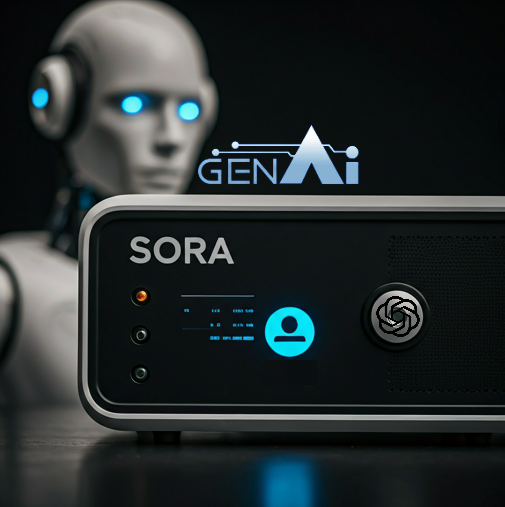
OpenAI announced the immediate shutdown of its Sora video generation platform on Friday, marking a dramatic reversal for the San Francisco-based artificial intelligence company as it grapples with escalating operational costs and mounting pressure from investors to demonstrate profitability.
The decision to discontinue Sora, which launched to significant fanfare in February 2024, comes as OpenAI faces what industry analysts are calling an existential financial crisis. The company has been burning through cash at an unprecedented rate, with monthly operational expenses reportedly exceeding $7 billion USD, driven largely by the massive computational requirements of its AI models.
"This was an incredibly difficult decision, but we must focus our resources on sustainable growth and profitability," OpenAI Chief Executive Officer Sam Altman said in a statement released Friday afternoon. "Sora represented cutting-edge technology, but the computational costs proved unsustainable given current market conditions."
The shutdown affects thousands of users who had been paying premium subscriptions for access to Sora's video generation capabilities. OpenAI stated that existing subscribers will receive full refunds for unused portions of their subscriptions, though the company did not specify a timeline for processing these refunds.
Financial Pressures Mount
Industry sources familiar with OpenAI's financial situation suggest the company has been struggling to balance its ambitious technological development with investor demands for a clear path to profitability. The computational requirements for video generation are significantly higher than text-based AI models, making Sora particularly expensive to operate.
"Video AI requires enormous amounts of processing power and energy," explained Dr. Sarah Chen, an AI researcher at the University of Toronto who has studied the economics of large-scale AI deployment. "While impressive technologically, the cost-to-revenue ratio for these services has proven challenging for most companies in the space."
The shutdown comes just weeks after OpenAI reportedly laid off approximately 15 per cent of its workforce, including several key engineers working on video generation technology. These cuts were part of broader cost reduction measures implemented across the company's various divisions.
Market Impact and Competition
The Sora shutdown is expected to benefit competitors in the AI video generation space, including Google's Imagen Video and Meta's Make-A-Video platforms. Several smaller startups specializing in video AI have also gained traction as concerns about OpenAI's stability have grown among enterprise customers.
"This creates a significant opportunity for other players in the market," said technology analyst Marcus Rodriguez of Calgary-based tech consultancy firm Nexus Digital. "OpenAI's retreat from video generation opens the door for more focused competitors who may be able to operate more efficiently in this space."
The news sent ripples through technology markets, with several AI-focused investment funds expressing concern about the broader sustainability of the current AI boom. OpenAI's valuation, which peaked at $157 billion USD in early 2025, has been under increasing scrutiny from investors seeking clearer revenue models.
User Reaction and Future Plans
The announcement sparked immediate backlash from Sora's user community, with many creators and businesses expressing frustration over the sudden termination of service. Several high-profile content creators had built their workflows around Sora's capabilities, and the shutdown leaves them scrambling for alternatives.
OpenAI indicated that it plans to focus resources on its core ChatGPT platform and enterprise AI solutions, which have proven more financially viable. The company also suggested that video generation capabilities might return in the future if market conditions improve and more cost-effective technologies become available.
"This is not the end of our interest in video AI," Altman noted in his statement. "We remain committed to advancing this technology, but we must do so in a way that ensures the long-term sustainability of our company and our ability to serve our users."