


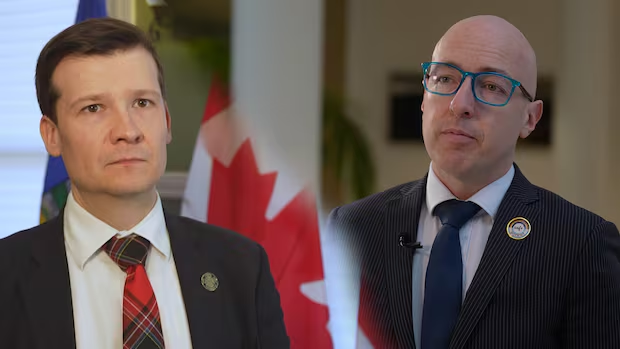
A growing tension is simmering between Alberta's provincial government and its major cities. Calgary Mayor Jeromy Farkas and Edmonton Mayor Andrew Knack are pushing back against what they describe as increasing provincial interference in local municipal affairs.
The conflict highlights a fundamental question: who should decide issues like bike lane infrastructure, photo radar enforcement, and residential zoning rules—elected city councils or the provincial legislature?
A Pattern of Provincial Overreach
Over the past two years, the UCP government under Premier Danielle Smith has intervened in numerous local matters, from transportation planning to property development regulations. For the mayors of Alberta's two largest cities, the pattern has become undeniable.
"We've seen significant overreach, overreach in a way that I've never experienced in my 13 years serving," Edmonton Mayor Andrew Knack told CBC's West of Centre.
"I think it is time to have a real conversation about what we expect from municipalities, making sure they have the authority to address those things without this fear that you're going to have backseat drivers."
Calgary's Farkas has been equally vocal. Speaking with reporters last month, he drew a pointed comparison to federal overreach.
"Overreach is bad when Justin Trudeau does it. It's bad when Danielle Smith does it."
The Constitutional Reality
The legal framework underpinning this dispute is straightforward: Canada's Constitution recognizes only federal and provincial governments. Municipalities derive their authority from the province through the Alberta Municipal Government Act—and that authority can be modified or withdrawn by the legislature at any time.
Municipal Affairs Minister Dan Williams has argued it's his responsibility to set the operational framework for how municipalities function. But provincial power and political norms are not always aligned.
Krista Gardner, spokesperson for Alberta Municipalities and mayor of Calmar, south of Edmonton, emphasizes that cities are "duly elected" bodies deserving of respect.
"If people are unhappy with decisions being made at local councils, they can vote differently,"
Gardner said in an interview, suggesting that provincial intervention undermines democratic accountability at the local level.
The Premier's Defence
Premier Smith has defended provincial action on specific issues. At an October announcement to repeal Edmonton's zoning bylaw, she framed intervention as necessary when municipalities act in ways she believes harm residents.
"When municipalities have taken actions that are undermining people's property value, when you see the kind of reaction that we've seen from residents, then we have to step in."
However, this rationale raises questions about where to draw the line. By that standard, provincial intervention could potentially justify government overrule on nearly any local decision that generates public complaint.
Looking Ahead
Calgarians and Albertans interested in how these conflicts resolve can follow the ongoing discussion on Calgary Forums, where residents frequently debate municipal governance and provincial authority.
The fundamental tension—between provincial supremacy and municipal autonomy—will likely persist. The question remains: what does effective, democratic local government look like when the province retains ultimate power to override municipal decisions?
This article is based on reporting by Chad Twair and the CBC Calgary News team.