


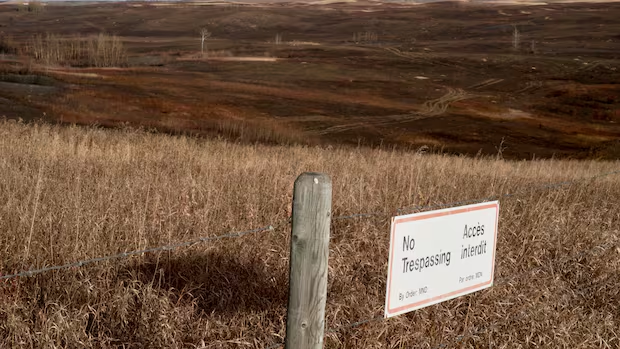
More than a month after a catastrophic grass fire swept through Canadian Forces Base Wainwright, Alberta's health-care system is still grappling with the aftermath of one of the province's most significant mass casualty disasters.
On October 17, a low-burning grass fire suddenly flared during a fierce windstorm, rapidly advancing on soldiers involved in a training exercise approximately 200 kilometres southeast of Edmonton. Four soldiers were killed immediately, with a fifth succumbing to injuries on November 13 at an Ontario hospital.
As of late November, 19 soldiers remain hospitalized across Alberta's provincial hospital network, with seven in critical condition. The scale of the disaster pushed the province's health system to its limits in ways that officials say will continue to test resources for months to come.
Hospitals Pushed Beyond Capacity
During a news conference Thursday, Dr. Josh Wong, interim medical director of the Firefighters' Burn Treatment Unit at the University of Alberta Hospital, described the chaotic hours immediately following the tragedy.
Within hours, 20 severely wounded soldiers arrived at Edmonton's burn unit—pushing the ward to more than five times its normal operating capacity. Hospital staff faced an unprecedented surge that forced them to divert patients throughout the facility, including to intensive care units and other departments.
"It's not often that we see an event like this, or at least at this magnitude, on our burn unit," Wong said. "The number of patients requiring highly specialized care—complex care—placed extraordinary demands on our teams, both in the burn unit as well as in intensive care and on the ward."
A code orange alert was declared across Edmonton's hospital system, formally signalling that medical infrastructure was nearing complete overwhelm. As Wainwright's emergency room became saturated, patients were airlifted to hospitals across the province.
A Long Road to Recovery
Health officials expressed deep gratitude to front-line workers who responded with exceptional professionalism during the crisis. However, they also emphasized that the battle is far from over.
Wong, who also serves as a burn, plastic, and reconstructive surgeon, warned that many soldiers face life-altering injuries. Recovery from severe burns typically requires months or even years of specialized treatment, including multiple surgeries, wound care, physiotherapy, and psychological support.
"The complex medical needs of the service members who were most severely injured are expected to create a lasting strain" on Alberta's health-care system, officials stated.
The disaster has sparked broader conversations about surge capacity, disaster preparedness, and resource allocation within provincial hospitals—issues that community members can discuss on Calgary Forums.
This article is based on reporting from CBC Calgary.