


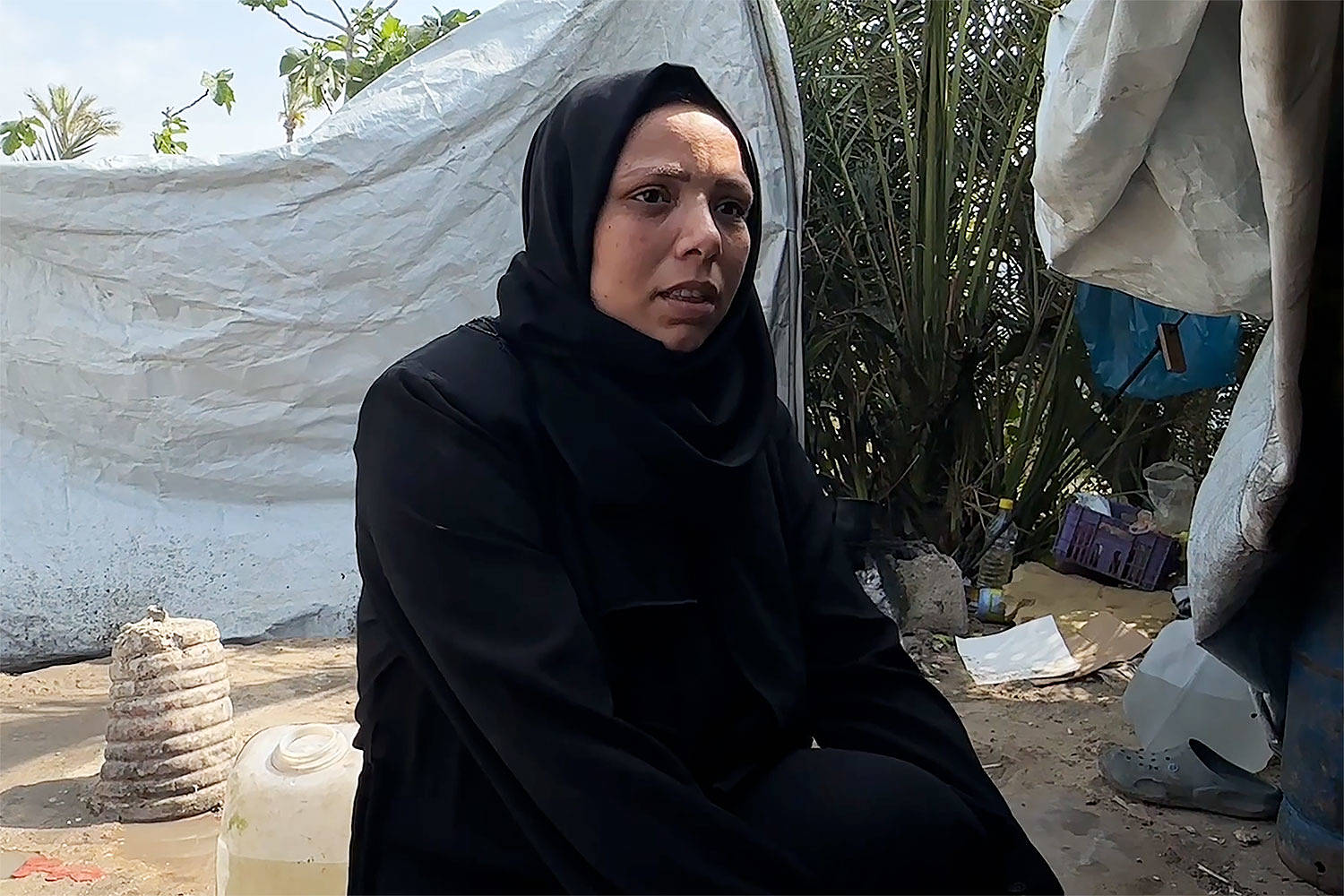
More than half a year after a ceasefire paused the heaviest fighting in Gaza, the humanitarian catastrophe grinding through the territory shows no signs of abating. Residents face a relentless cycle of deprivation — from contaminated water and disease-carrying vermin to widespread food shortages and the complete collapse of basic services.
"In the winter, the water surrounds us, and in the summer, we suffer from rats because our tent is low," said one 34-year-old widow caring for six children in Khan Younis, describing conditions in the tent camp where she now lives. "The rats eat everything, leaving us with nothing."
Her story encapsulates the grim reality facing Gaza's 2 million residents, most of whom have lost their homes entirely.
Ceasefire brings respite but not recovery
International aid organizations acknowledge that conditions have marginally improved since fighting halted in October. Deaths and injuries from Israeli military operations have declined, and acute famine reports have decreased. Yet both threats remain omnipresent across the densely populated enclave.
According to the Palestinian Health Ministry, 784 people have been killed in Israeli attacks since the ceasefire took effect. The International Rescue Committee projects that approximately 77 per cent of Gaza's population will face acute food insecurity in the coming year — a staggering proportion of an already traumatized population.
Beyond warfare, residents contend with destroyed hospitals, non-functional schools, open sewage systems, and infrastructure so thoroughly decimated that basic sanitation is impossible. The changing seasons bring fresh horrors: winter flooding and summer infestations compound an already catastrophic living situation.
Reconstruction stalled by politics and competing priorities
Diplomatic progress toward Gaza's long-term future has ground to a near halt, according to three officials closely monitoring negotiations involving Hamas, mediating nations, and representatives from the Trump administration's Board of Peace.
Reconstruction efforts hinge on Hamas disarmament — a condition stipulated in the Trump administration's 20-point recovery roadmap, which Hamas accepted as part of the ceasefire agreement. Yet those weapons decommissioning talks have barely advanced.
"Once the war ended and the hostages were released, that was the priority of the U.S. administration," explained Bishara Bahbah, a Palestinian American businessman with close ties to the Trump team. "Then the Iran war came and nobody talks about Gaza as a result."
A Board of Peace official acknowledged that "life remains very challenging in Gaza" but disputed claims of negotiation stalls, stating that "key member states" remain focused on implementing security measures, deploying international stabilization forces, and transitioning administrative authority to a new civilian governing body while withdrawing Israeli forces.
Humanitarian access versus structural solutions
The U.S. State Department claims that American diplomatic efforts have improved humanitarian "access" to Gaza. However, officials insist that meaningful reconstruction cannot proceed without what they term "full demilitarization."
"Anything short of full demilitarization undermines Gaza's recovery, Israel's security and regional stability," a State Department official stated.
The disconnect is stark: displaced families in tents need immediate shelter, clean water, and food today — not promises of reconstruction contingent on complex political negotiations that show no sign of resolution.
This article is adapted from reporting by NBC News. Read the original story at nbcnews.com.