


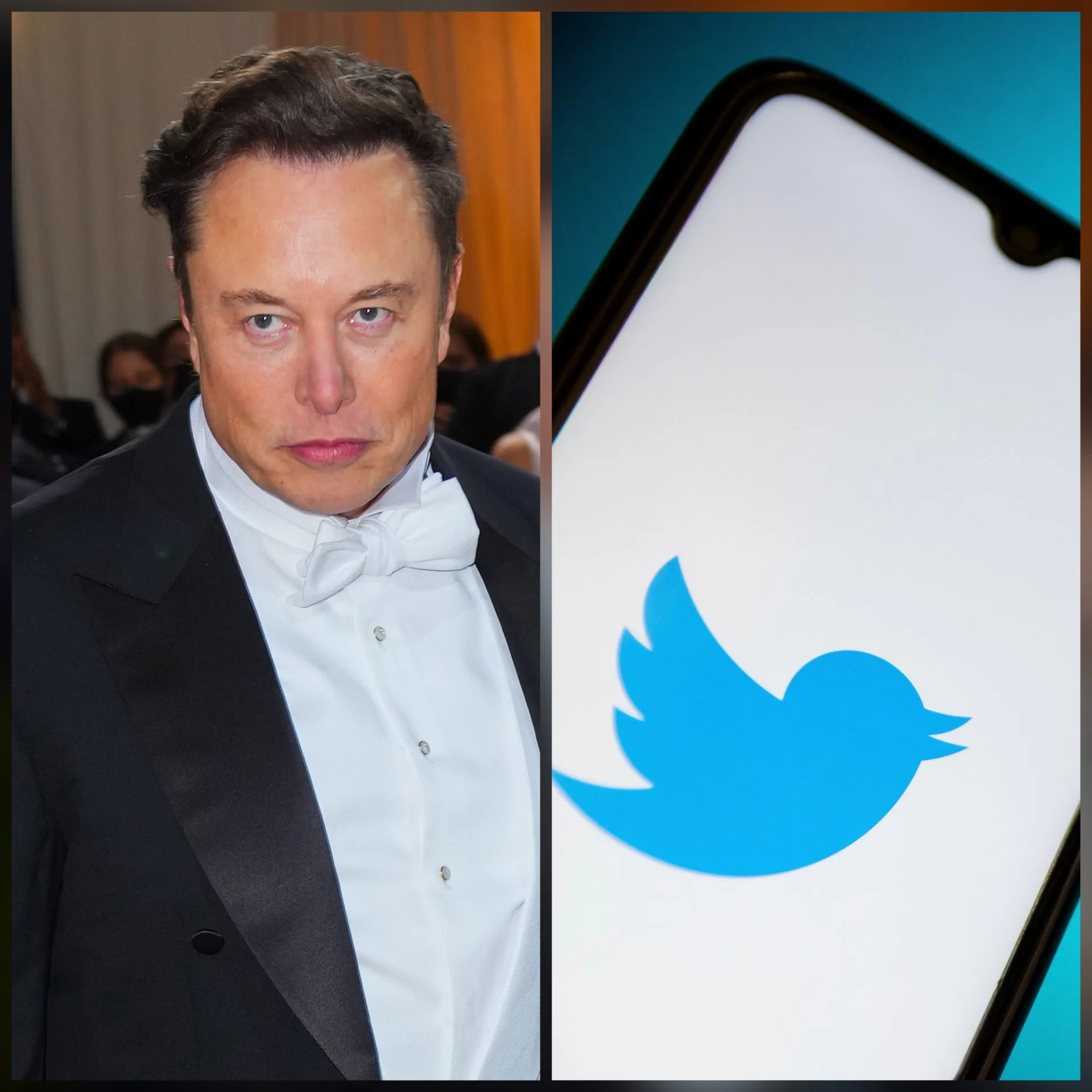
A federal judge in Texas dismissed X Corp's antitrust lawsuit against a coalition of major advertisers on Friday, dealing a significant blow to the social media platform's legal efforts to recoup advertising revenue lost following policy changes under owner Elon Musk.
U.S. District Judge Reed O'Connor ruled that X Corp failed to provide sufficient evidence that the Global Alliance for Responsible Media (GARM) and its member companies engaged in an illegal coordinated boycott that violated federal antitrust laws. The lawsuit, filed in August 2024, sought damages exceeding $2 billion from companies including Unilever, Mars, CVS Health, and Ørsted.
"The plaintiff has not demonstrated that defendants' conduct constitutes a conspiracy in restraint of trade under the Sherman Act," Judge O'Connor wrote in his 47-page decision. "Individual business decisions by competitors to withdraw advertising, even if made contemporaneously, do not establish an antitrust violation without evidence of agreement."
X Corp alleged that GARM, a World Federation of Advertisers initiative focused on brand safety, orchestrated a systematic campaign to pressure advertisers to abandon the platform following Musk's acquisition in October 2022. The company claimed this coordinated effort cost the platform billions in advertising revenue as major brands pulled their spending.
The lawsuit gained attention when several companies named as defendants announced they were discontinuing their GARM memberships shortly after the case was filed. However, the judge noted that these departures did not constitute evidence of the alleged conspiracy.
"Advertisers have legitimate reasons to be concerned about brand safety and content moderation policies," said antitrust attorney Jennifer Park, who was not involved in the case. "Courts typically require clear evidence of an explicit agreement between competitors to restrict competition, not just parallel conduct."
X Corp's legal team argued that internal communications between GARM members showed evidence of coordination, but the judge found these communications fell short of proving an illegal agreement. The platform's advertising revenue reportedly declined by approximately 60% in the year following Musk's acquisition, according to industry estimates.
The dismissed lawsuit represents one of several legal challenges X Corp has faced since Musk's ownership began. The platform has also dealt with regulatory scrutiny in multiple countries over content moderation policies and advertiser concerns about brand safety alongside controversial content.
GARM, which suspended operations in August 2024 citing the legal costs of defending against the lawsuit, issued a statement through the World Federation of Advertisers expressing satisfaction with the court's decision. "This ruling affirms that legitimate industry collaboration on brand safety standards does not constitute anticompetitive behaviour," the organization said.
X Corp has not yet announced whether it plans to appeal the decision. The company's legal representatives declined to comment beyond stating they are reviewing the ruling. The platform continues to work on rebuilding advertiser relationships while implementing new content policies aimed at addressing brand safety concerns.
The case highlights ongoing tensions between social media platforms and advertisers over content moderation, free speech policies, and brand safety measures. Industry observers note that advertising boycotts have become increasingly common as companies seek to avoid association with controversial content or platform policies.
Legal experts suggest the ruling could influence how other platforms approach similar disputes with advertisers, potentially limiting the use of antitrust laws to challenge coordinated advertising decisions based on content concerns.