


Darren Ali was only 45 years old and appeared completely healthy when he suffered what cardiologists call a "widowmaker" heart attack. The only warning? A bit of upper back pain.
Three months later, the massive cardiac event nearly killed him.
"It's almost like an elastic band's tightening inside your chest," Ali, now 52 and living in British Columbia, recalls of that terrifying moment.
What Ali didn't know then—and what millions of other seemingly healthy Canadians still don't know—is that he carried dangerously high levels of a genetic cholesterol particle that put him at elevated risk for exactly this kind of cardiovascular catastrophe.
A Hidden Health Threat Affecting Millions
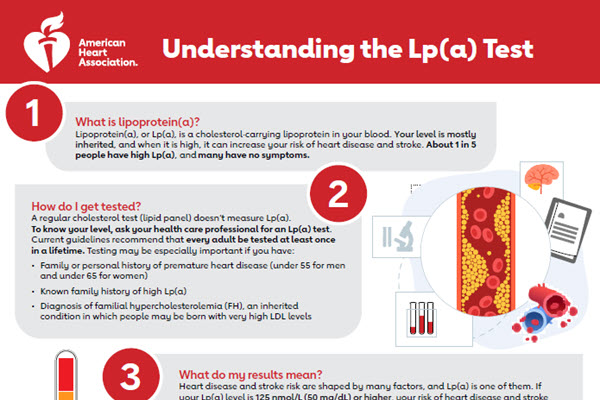
Research shows that approximately one in five Canadians—roughly eight million people—have elevated levels of Lipoprotein(a), or Lp(a). This cholesterol-carrying particle dramatically increases the risk of heart attack and stroke.
The problem? There's no routine screening for it. Most people have no symptoms. And many family doctors aren't even aware of its danger.
"When we consider all of the potential things to be measured, this is a very important one to prevent one of the most common causes of death amongst Canadians," says Dr. Sonia Anand, a professor of medicine and epidemiology at McMaster University and author of newly updated Canadian guidance on Lp(a) screening.
What Makes Lp(a) So Dangerous?
Everyone has Lipoprotein(a) circulating in their blood—it's a combination of protein and fat. But when levels are elevated, the particle becomes a serious threat.
Unlike other cholesterol types, Lp(a) is stickier and adheres more easily to blood vessel walls. When it accumulates, it forms plaques that can block blood flow to vital organs like the heart and brain. The consequences are severe: vessel ruptures, heart attacks, and strokes.
Beyond blockage, Lp(a) increases clot formation and promotes inflammation—both of which can trigger plaque ruptures and sudden cardiovascular events.
"If it's elevated, an individual may have a two- to four-fold increased risk of a cardiovascular event," Dr. Anand explains. "And there are things we can do to lower that risk."
New Guidelines Push for Awareness and Testing
The Canadian Lp(a) Working Group has released updated clinical guidance published this month in the Canadian Journal of Cardiology. The recommendations specifically target family physicians to increase awareness about Lp(a) testing and genetic cardiovascular predisposition.
The guidance aligns with recommendations from the American College of Cardiology released last month, which strongly suggest all Canadian adults receive at least one screening test for elevated Lp(a) levels.
A simple blood test could have changed Darren Ali's life trajectory. Early identification of his elevated Lp(a) might have enabled preventive measures—medications, lifestyle modifications, and closer monitoring—that could have prevented his heart attack entirely.
Why Isn't This Being Screened Routinely?
The absence of routine Lp(a) screening represents a significant gap in Canada's cardiovascular health screening protocols. Unlike cholesterol panels that measure LDL and HDL, standard tests don't capture Lp(a) levels. This means millions of Canadians—particularly those with family histories of early heart disease or stroke—remain unaware of their elevated risk.
The new guidance aims to change this by educating primary care physicians about the importance of identifying patients who should be tested, particularly those with:
• A personal or family history of premature heart disease or stroke
• Elevated cholesterol despite treatment
• Unexplained cardiovascular events
Healthcare providers across Canada, particularly in Alberta, are encouraged to discuss Lp(a) screening with their patients and incorporate testing into cardiovascular risk assessments.
This article is based on reporting by CBC Health. For more information on Lipoprotein(a) and cardiovascular health screening, consult your family physician or visit Health Canada's resources on heart disease prevention.