


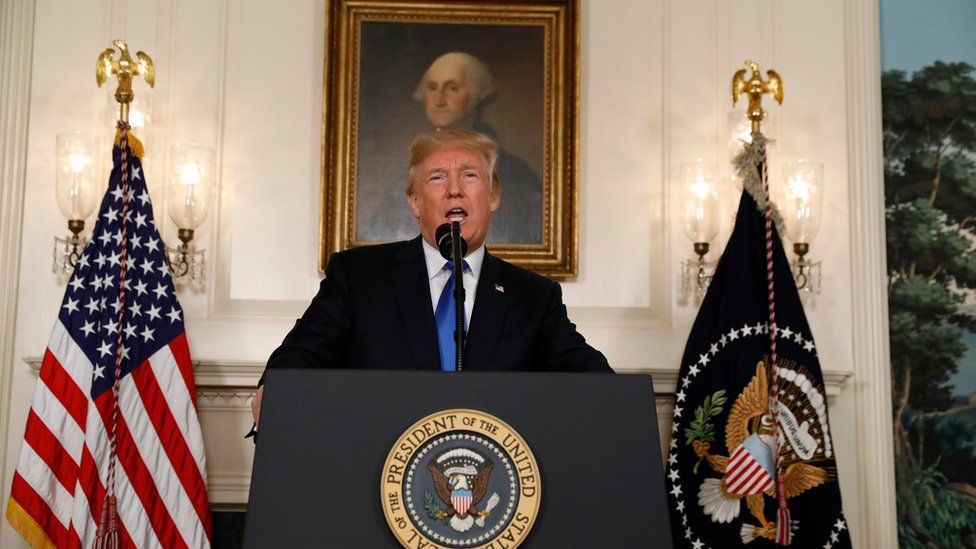
U.S. President Donald Trump declared Wednesday evening that Iran has been "decimated" and America's "core strategic objectives" in the ongoing conflict are nearly complete, though he provided no precise timeline for when the war would end.
During a prime-time address from the White House, Trump told Americans that "the hard part of the war is done" and claimed Iran is "really no longer a threat," while acknowledging U.S. forces would continue striking targets in the Islamic republic for another two to three weeks.
"We are going to finish the job, and we're going to finish it very fast. We're getting very close," Trump said, facing mounting pressure from war-weary Americans and sliding approval ratings.
Energy Crisis Grips Global Markets
The conflict has triggered one of the largest supply shortages in global energy market history, creating intense political pressure on Trump to resolve the situation quickly. Canadians have felt the impact through soaring fuel costs, with prices at the pump reaching historic highs across Alberta and the rest of the country.
Trump briefly addressed rising gasoline prices during his speech, promising that once the war ended, the Strait of Hormuz would "open naturally" and gas prices would drop rapidly.
"This short-term increase has been entirely the result of the Iranian regime launching deranged terror attacks against commercial oil tankers of neighbouring countries that have nothing to do with the conflict," Trump stated.
Iran Denies Ceasefire Claims
Earlier Wednesday, Trump claimed Iran was seeking a ceasefire, but Iranian officials quickly refuted the assertion. Esmail Baghaei, spokesperson for Iran's Foreign Ministry, called Trump's claim "false and baseless," according to Iranian state television.
Iranian Foreign Minister Abbas Araghchi signalled Tehran's determination to continue fighting, telling Al Jazeera: "You cannot speak to the people of Iran in the language of threats and deadlines. We do not set any deadline for defending ourselves."
"Exactly which of the American people's interests are truly being served by this war?"
Hours before Trump's address, Iranian President Masoud Pezeshkian posted an open letter to American citizens on social media, questioning the conflict's purpose and stressing that Iran had pursued negotiations before the U.S. withdrew from diplomatic efforts.
Mounting Casualties Across Region
The conflict began February 28 when the United States and Israel launched strikes against Iran, triggering retaliatory Iranian attacks on Israel, U.S. bases, and Gulf states. The escalation has opened a new front in Lebanon and resulted in thousands of deaths across the Middle East.
Trump had earlier indicated he would criticize NATO during his speech for what he considers inadequate support for U.S. objectives in Iran, but made no mention of the alliance during Wednesday's address.
This article is based on reporting by CBC World. Read the original story here.