


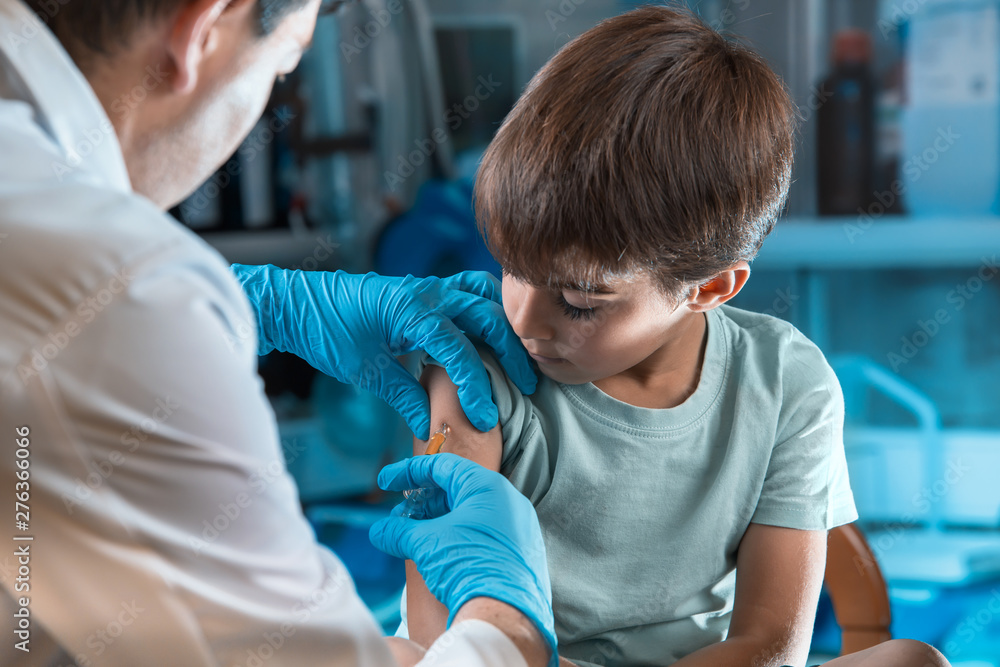
Vaccination rates for children across Canada are falling at an alarming pace, with new data revealing a troubling trend that public health officials warn could spark outbreaks of preventable diseases.
Analysis of provincial immunization records spanning the past decade shows childhood vaccination coverage has declined by five to ten per cent for many vaccines since the COVID-19 pandemic began. The drop is particularly steep in rural and northern regions, where some communities have seen much sharper declines than urban centres.
The consequences are already visible. Canada lost its measles-free status last year after an outbreak that persisted for more than 12 months, infecting more than 6,000 people across the country. In British Columbia's northeast region alone, over 400 people contracted measles—a preventable disease that can cause serious complications.
Pandemic Disruptions and Lost Trust
Dr. Jia Hu, interim medical director of immunization programs at the B.C. Centre for Disease Control, identified pandemic-related disruptions and eroding public confidence in vaccines as key factors driving the decline.
"All of that put together does put us at higher risk of vaccine preventable diseases," Dr. Hu said. "The decline might be in the range of five to ten per cent for some vaccines. But it's still significant and obviously really concerning."
The problem extends beyond simple appointment scheduling challenges. Experts point to a broader shift in how Canadians view scientific authority and institutional guidance.
Dr. Bernie Garrett, an emeritus professor at the UBC School of Nursing who studies health misinformation, notes that vaccine hesitancy correlates with deeper distrust in government, pharmaceutical companies, and public health institutions—a phenomenon that has intensified since the pandemic.
"Particularly since COVID, we have this mistrust in government and pharmaceutical companies, as well as public health institutions," Dr. Garrett explained. "There's also anti-intellectualism and distrust in experts, which correlates with vaccine hesitancy. This reflects a broader epistemic shift where scientific authority-based knowledge is increasingly contested."
Misinformation and Healthcare Worker Concerns
Recent polling of Canadian doctors and nurses reveals a 34 to 35 per cent increase in vaccine hesitancy among the general population over the past five years. Healthcare professionals consistently report that their patients cite three main concerns: safety worries, misinformation spread by social media influencers, and distrust of government and public health agencies.
Rural and northern regions have been hit particularly hard. Geographic barriers—physical distance to vaccination clinics, transportation challenges, and limited access to healthcare infrastructure—compound the impact of vaccine hesitancy. However, there are signs of recovery. Northern Health reported a 70 per cent increase in measles vaccination rates in 2025, suggesting that community awareness of disease risk can reverse the trend.
"It shows that people are interested in getting the vaccine and understanding that there are risks with measles circulating in the area," said Dr. Rakel Kling, a medical health officer for Northern Health.
A National Health Emergency
The decline in childhood immunization coverage represents a significant public health challenge for Canada. As vaccination rates drop below critical thresholds, communities lose the protection of herd immunity—the collective resistance that prevents disease transmission in populations.
Parents and caregivers who have questions about vaccine safety and effectiveness are encouraged to speak with their family doctor or local public health office, where evidence-based information is available.
This article is based on reporting from CBC Health and analysis of provincial immunization data. For more information on vaccination programs in your province, contact your local health authority.