


When Marissa Dawson picked up her prescription from a Shoppers Drug Mart pharmacy in Moncton, New Brunswick last October, she expected routine relief from chronic eczema. Instead, what followed was a months-long health crisis that would land her in the emergency room and raise urgent questions about medication safety across Canada.
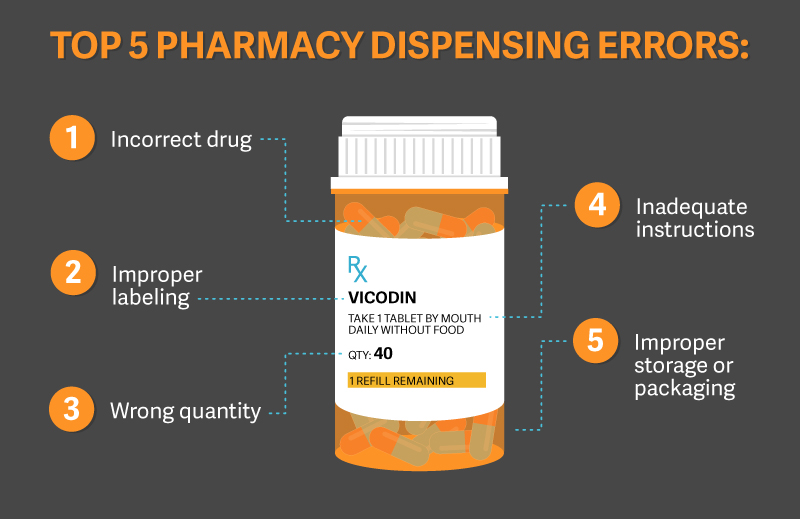
The 35-year-old mother of two was prescribed hydroxyzine, an antihistamine designed to manage itching. But the pharmacy dispensed hydralazine—a blood pressure medication with entirely different effects on the human body.
For months, Dawson suffered debilitating symptoms she couldn't explain: persistent flushing, dizziness, difficulty breathing, and overwhelming lethargy. "I felt completely lethargic, and I was very faint," she recalled. Her condition deteriorated steadily through winter and into spring, until her worried mother finally drove her to the emergency room in April.
It was there that an emergency nurse discovered the devastating truth by reviewing her medications. Dawson had unknowingly been taking the wrong drug for approximately six months.
"I was just kind of confused," Dawson said. "And I started just thinking, 'What if this happened to my kid, or any child?' I was scared."
A System Under Strain
Dawson's experience is far from isolated. Tens of thousands of Canadians experience medication mix-ups annually, according to pharmacy safety researchers. The Canadian Generic Pharmaceutical Association reports that more than 800 million prescriptions are dispensed every year across the country—a staggering volume that increases the statistical likelihood of errors.
Jennifer Lake, a pharmacy education researcher at the University of Toronto, explains that the industry relies on what's known as the "Swiss cheese model" of medication safety—multiple layers of protection designed to catch errors before they reach patients. When those layers fail simultaneously, the consequences can be catastrophic.
The Data Gap Nobody's Talking About
What makes this crisis particularly alarming is how little Canadians actually know about its true scope. While many provinces require pharmacies and hospitals to report medication errors, only six provinces currently submit data to the national tracking system—the National Incident Data Repository for Community Pharmacies database.
In 2024, that database recorded more than 26,000 medication incidents. But here's the shocking part: that figure represented reports from only about 1,700 of the approximately 12,000 licensed pharmacies operating in Canada. The actual number of medication errors across the country is almost certainly much higher.
"The number of errors reported doesn't tell the whole story," experts warn. Many mistakes likely go unreported or undetected entirely, leaving patients vulnerable and regulators flying blind.
When Errors Turn Tragic
The stakes of these oversights became horrifyingly clear in a case documented by CBC's Go Public in 2016. Melissa Sheldrick's eight-year-old son, Andrew, died after a pharmacy error in Mississauga, Ontario. He was supposed to receive sleep medication but was instead dispensed a muscle relaxant at a toxic dose. That child's death illustrates what happens when pharmacy safety systems fail completely.
For Marissa Dawson, the experience has raised urgent questions about accountability, staffing levels in pharmacies, and whether current safety protocols are adequate. She's sharing her story hoping it will prompt systemic change.
This article is based on reporting from CBC Health. For the complete investigation, visit CBC News.