


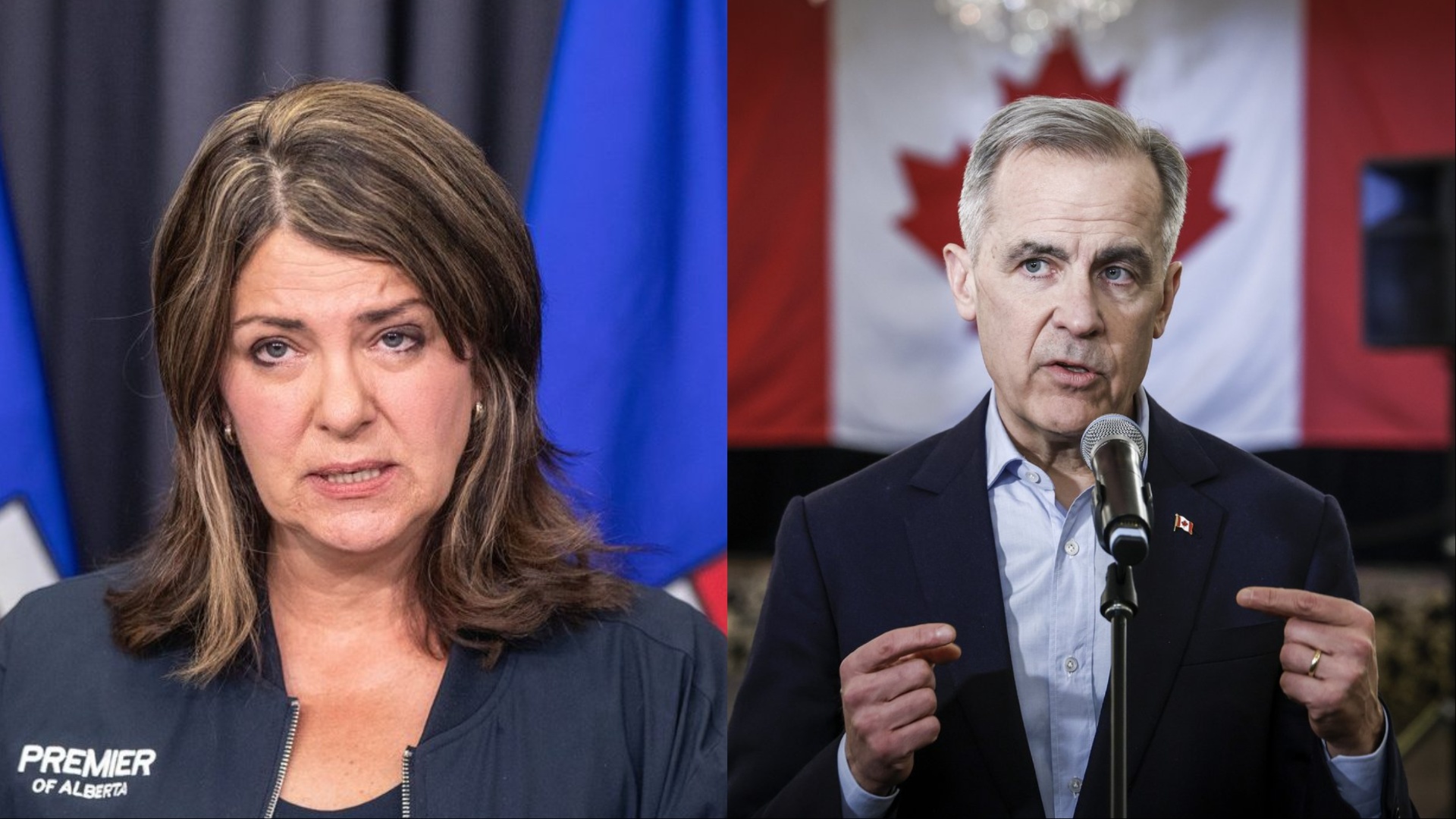
Alberta Premier Danielle Smith left her Friday meeting with Prime Minister Mark Carney in Ottawa noticeably more optimistic about securing a landmark pipeline agreement, signalling that a deal could be finalized within days rather than weeks.
The shift in Smith's language told the story: before the meeting, she spoke of an agreement "if" it happens. Afterwards, she was already saying "when."
"That is an indication of my improved level of confidence after talking through some of the areas that we found that were of disagreement," Smith told reporters following her private discussion with Carney at the Prime Minister's Office.
The Stakes Are High
The timing of the negotiation breakthrough carries significant political weight. Alberta is currently roiled by a separatist movement, with petition organizers claiming to have gathered more than 300,000 signatures calling for a provincial independence referendum. A court challenge mounted by Alberta First Nations—which argues the petition violates treaty rights—is currently blocking verification of those signatures.
Smith has framed the pipeline agreement as a tangible demonstration that federalism can work for Albertans.
"If we're going to move forward with that MOU, I hope it happens in the next number of days, because I think in Alberta there does need to be a demonstration that Canada can work," Smith said before her meeting with Carney.
What's Still On The Table
The memorandum of understanding between Alberta and Ottawa outlines conditions for approving a new bitumen pipeline, including mandatory carbon capture and storage requirements. The original April 1 deadline for completing negotiations was already extended to July 1, reflecting the complexity of the discussions.
One outstanding sticking point remains the timeline for implementing a $130 per tonne industrial carbon price—an issue Smith identified as central to the entire negotiation.
"I think we had a meeting of the minds today on a few of the outstanding issues. And I hope to have something more firm to announce very soon," Smith said.
Carney told media last week that a new pipeline is now "more probable than possible," partly due to global energy market disruptions caused by the Iran conflict. During Friday's photo opportunity before their private meeting, both leaders acknowledged progress without directly mentioning pipelines or the separatist movement.
"We're working to make Canada work better for Albertans and for all Canadians. And when Canada works well, it's good for the world," Carney said.
Industry Growing Impatient
Smith acknowledged that both industry stakeholders and everyday Albertans are running out of patience for resolution. The extended timeline and ongoing negotiations have created uncertainty in the energy sector, which views pipeline approval as critical to provincial economic growth and competitiveness on global markets.
If negotiations conclude as expected, Smith indicated she would be able to publicly discuss remaining gaps between the two governments—details that are currently being kept confidential during active negotiations.
This report is based on information from CBC Edmonton.