


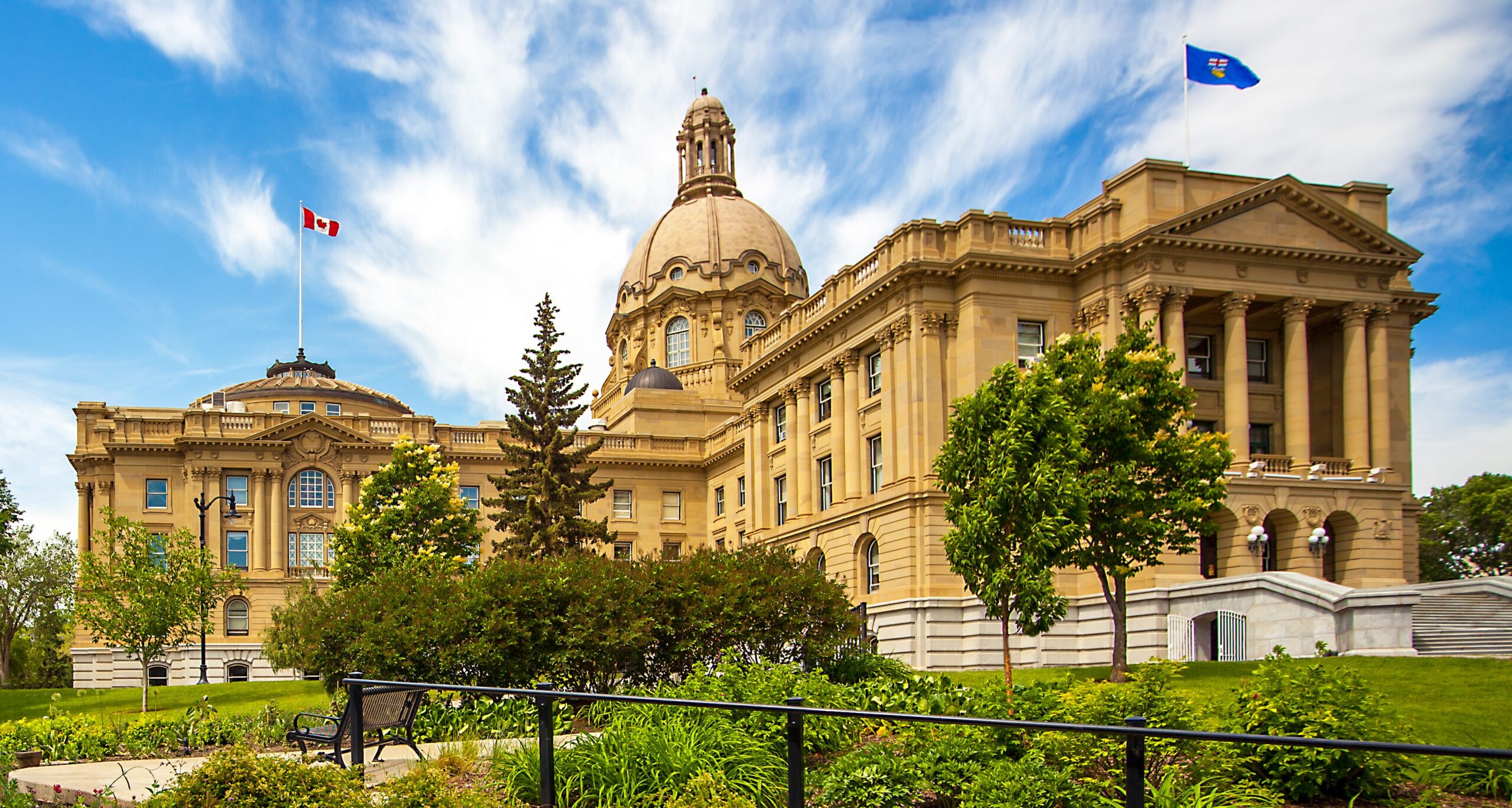
Alberta's provincial government is facing mounting criticism over two major policy decisions that observers say undermine democratic principles, despite being technically within the legislature's legal authority.
The controversy centres on the Smith government's push toward permanent daylight saving time and its decision to dismantle a non-partisan electoral boundaries commission in favour of politician-controlled redistricting.
The Daylight Saving Time Debate
The daylight saving time decision strikes critics as particularly troubling given the government's stated commitment to direct democracy. Alberta residents previously voted against the time change proposal, yet the government is moving forward with the plan to keep the province on Mountain Daylight Time year-round.
The shift would result in winter sunrises occurring as late as 10 a.m. in some parts of Alberta—a significant change to daily life that contradicts the expressed will of voters.
Electoral Boundaries Overhaul Raises Stakes
The second concern involves the government's decision to bypass the work of a non-partisan electoral boundaries commission. Instead, politicians with a direct stake in the outcome will redraw all 87 of Alberta's electoral divisions and add four new ones.
Election observers argue that allowing elected officials to personally reshape voting boundaries creates an obvious conflict of interest and opens the door to gerrymandering—a practice where electoral divisions are redrawn to benefit the party in power.
The Connection Between the Moves
While the two decisions appear unrelated on the surface, critics point out they share a common thread: both represent government overriding public input or independent review processes to advance government priorities.
Constitutional experts confirm both moves likely fall within the legislature's legal powers. However, legal authority and democratic best practices don't always align, observers note.
For a government that has championed direct democracy initiatives, the contradiction between rhetoric and action is stark. Independent oversight mechanisms exist precisely to prevent elected officials from becoming judge and jury in matters where they have personal interests.
The decisions have reignited debate about accountability in Alberta politics and whether the current government is walking back democratic safeguards.
This article is based on reporting from the Edmonton Journal.