


Camrose residents may face their toughest summer yet as the city confronts a potential water shortage that could force mandatory restrictions on lawn watering, car washing, and other non-essential uses.
The warning comes despite Alberta's relatively snowy winter—a cruel irony that underscores the region's deeper water crisis. The city received just 67 millimetres of precipitation over the winter months, falling short of the regional average by a mere 2 millimetres. But after consecutive dry years have already depleted reserves, that modest shortfall could spell trouble ahead.
"We were really hoping for a significant amount of precipitation and run-off to help fill the lake and keep it flowing well after that," said Jeremy Enarson, engineering services manager for the City of Camrose. "Instead, we're looking at a tighter situation than we'd hoped."
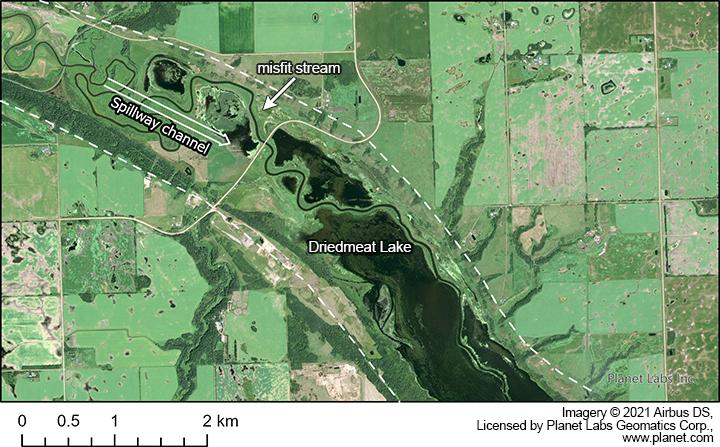
Camrose depends entirely on Dried Meat Lake, located south of the city, for its water supply. Current levels in the lake are already below what's considered safe, and hydrologists warn that spring moisture will likely soak into drought-parched soil rather than replenish the reservoir.
A Region in Trouble
The Battle River Basin—which supplies water to five subwatersheds across central Alberta—has been under a provincial water shortage advisory since May 31, 2023. That's nearly three years of operating under crisis conditions, with no relief in sight.
"We've been in such a deep water and precipitation deficit that it takes enormous amounts of moisture to rebuild soil reserves that have been depleted over a much longer period," explained Sarah Skinner, watershed programs manager at the Battle River Watershed Alliance. "Every bit helps, but we need a lot more than a normal winter."
The contrast with nearby Edmonton—which logged precipitation 416 per cent above its 30-year average in December alone—highlights just how unevenly Alberta's weather patterns are distributed. While Edmonton dealt with a record-wet winter, Camrose's small prairie-fed river system struggled in the shadows.
Why the Prairie-Fed Problem?
Unlike mountain-fed rivers that benefit from consistent glacial run-off and mountain snowpack, the Battle River relies almost entirely on local precipitation. That makes it vulnerable to the region's natural climate fluctuations, including patterns like El Niño and La Niña.
"The prairie-fed river system just doesn't have that consistent mountain water input," Skinner said. "It ebbs and flows, and can swing dramatically year to year."
This isn't Camrose's first rodeo. The region faced similar water crises in the early 2000s and again in 2009, suggesting longer-term climate patterns may be at play beyond just one bad winter.
The city has not yet announced mandatory water restrictions, but residents should prepare. City officials said they will make a decision on restrictions based on spring precipitation and run-off levels over the coming weeks.
"Every bit of precipitation helps, but we've been in such a water and precipitation deficit that it takes a lot to build up that soil moisture again, those water reserves that have been depleted over a much longer period of time." — Sarah Skinner, Battle River Watershed Alliance
This article is based on reporting from CBC Edmonton, which first covered Camrose's water crisis on April 23, 2026. Read the full original report at CBC News.