


A Red Deer woman's journey across three Canadian provinces has revealed troubling gaps in what many assume is truly universal healthcare, highlighting the growing crisis of family doctor shortages affecting millions of Canadians.
Shannon Flaman, who has lived in Saskatchewan, British Columbia, and Alberta, discovered that moving between provinces doesn't guarantee continued access to medical care — even for basic services like prescription renewals and preventative screenings.
Her ordeal began in 2021 when she relocated from Regina to Kelowna, B.C., seeking a fresh start after difficult personal circumstances. While she had enjoyed the security of having a family doctor in Saskatchewan — despite month-long waits for appointments — Flaman quickly learned that B.C.'s Okanagan region was experiencing a severe physician shortage.
The Search for Care in B.C.
"I searched up to 100 kilometres in all directions from Kelowna and I couldn't find a single doctor taking new patients," Flaman explained. She was placed on a years-long waitlist with no guarantee of finding a family physician.
The shortage forced her to rely on walk-in clinics, which presented their own challenges. Most reached capacity within an hour of opening, and when she finally secured appointments, doctors refused to renew her anxiety medication, stating only a family doctor could provide ongoing prescriptions.
This left Flaman with urgent care centres as her only option — facilities designed to bridge the gap between primary care and emergency rooms. Since her medication needs weren't considered emergencies, she spent hours waiting for basic prescription renewals.
Preventative Care Barriers
The system's limitations became even more apparent when Flaman requested routine preventative care. After a year in Kelowna, she asked about scheduling a Pap test and basic blood work — standard healthcare maintenance typically handled by family doctors.
The response was discouraging. A nurse explained that urgent care centres weren't designed for preventative care, making Flaman feel like she was asking for too much. Only after mentioning a previous abnormal Pap test result was she reluctantly scheduled for the screening.
"I left that day feeling degraded and unworthy," she recalled of the experience.
National Crisis in Numbers
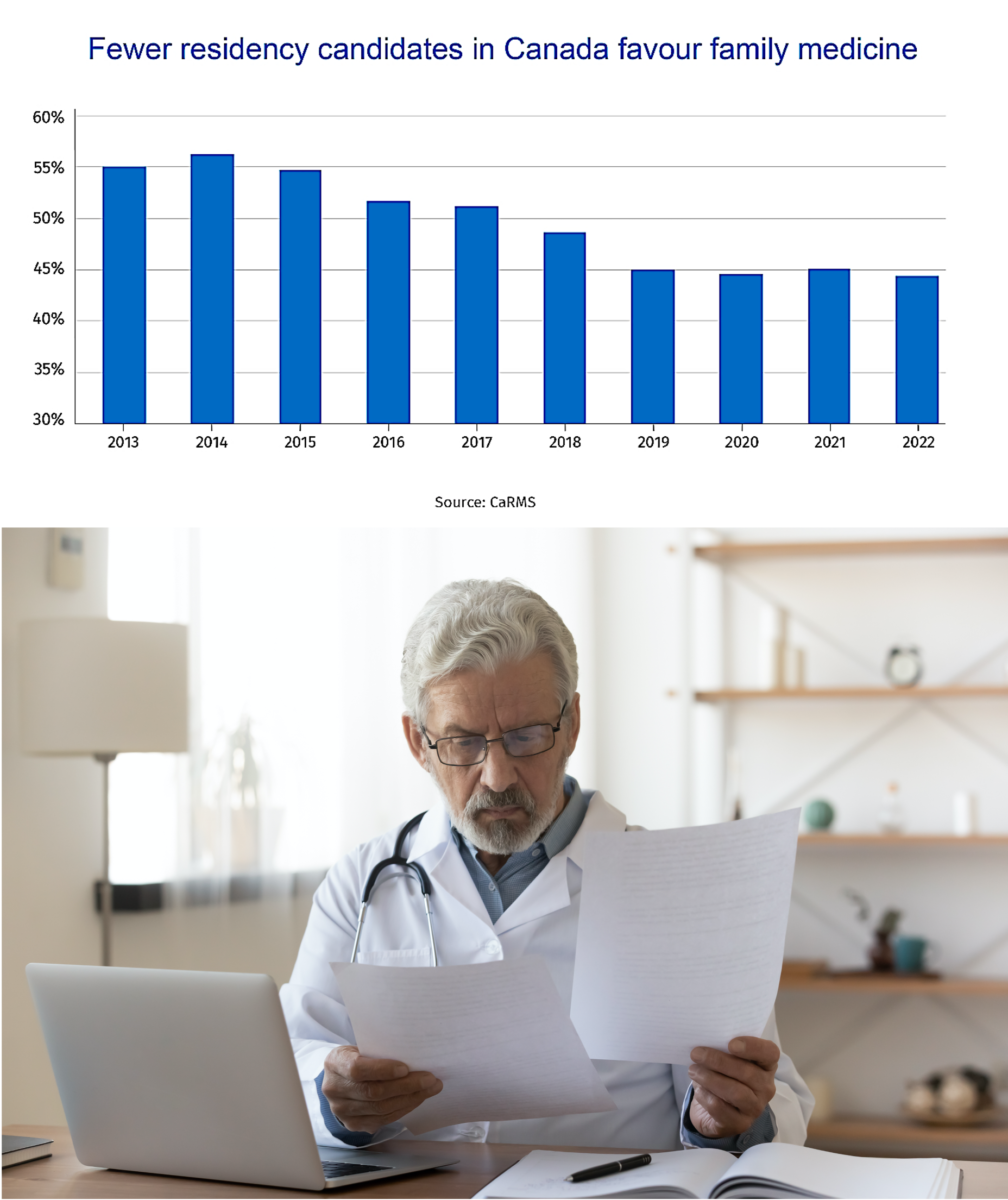
Flaman's experience reflects a broader national crisis. According to a recent Canadian Medical Association report, 5.8 million Canadians lack access to primary care. Even those fortunate enough to have family doctors report insufficient access to their services.
The situation has forced many Canadians to rely on emergency departments and urgent care centres for routine medical needs, creating bottlenecks in the healthcare system and leaving patients feeling abandoned by the very system designed to protect them.
Now living in Red Deer, Flaman's cross-country journey has fundamentally changed her perspective on Canadian healthcare. Her story illustrates how provincial boundaries can create invisible barriers to care, challenging the notion of truly universal healthcare access.
The family doctor shortage continues to affect communities across Alberta and beyond, with many residents facing similar struggles to access consistent, comprehensive medical care.
This story is based on reporting by David Chen from CBC Health. Read the original article.