


Alberta's oil industry may be shifting into a new gear. Prime Minister Mark Carney announced this week that the Pacific Link pipeline—a major West Coast export corridor capable of moving one million barrels per day—has been designated a project of national interest, unlocking a streamlined federal review process.
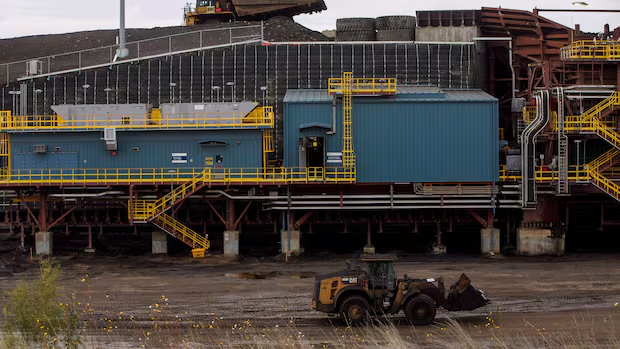
The designation marks a significant turning point for the Alberta oilsands, which have largely stalled on major expansion projects over the past decade. The last greenfield facility, Suncor Energy's Fort Hills mine, came online in 2018 after costs nearly doubled from $13.5 billion to more than $17 billion during construction.
"We learned lessons from the past in building infrastructure," Carney told reporters during his announcement in Fort McMurray.
The federal government has also established a Calgary-based major projects office to oversee the expedited review, signalling commitment to reducing bureaucratic delays that have historically plagued energy infrastructure development in Canada.
A Different Kind of Growth
Both Carney and Alberta Premier Danielle Smith have carefully framed renewed oilsands investment as "sustained growth" rather than a return to boom-and-bust cycles that plagued earlier decades. The 2000s energy boom created intense pressure on Alberta's housing market, labour supply, and municipal infrastructure.
"Companies have managed to find a way to increase production without having the kind of dramatic pressure that we saw in the past of a large number of people moving here, not able to find homes," Smith said.
Industry executives have long cited three major barriers to large-scale expansion: insufficient pipeline capacity, complex regulatory approval processes, and environmental requirements. The Pacific Link project aims to address the first constraint directly, while recent policy reversals have eased regulatory concerns for developers.
Global Conditions Favour Action Now
The geopolitical backdrop has shifted dramatically since the previous investment drought. Middle East tensions have exposed vulnerabilities in global energy supply chains, creating unprecedented demand for stable crude suppliers. Asian markets are actively seeking reliable long-term energy partnerships.
These international factors, combined with the removal of several Trudeau-era energy policies that oil companies opposed, have created what industry observers see as a rare window of opportunity. For years, companies chose incremental expansions of existing facilities over expensive new megaprojects, viewing the regulatory and market risks as too high.
The question now is whether this policy shift and infrastructure designation will be enough to convince major oilsands operators to commit billions to new production capacity.
This article is based on reporting from CBC Business.