


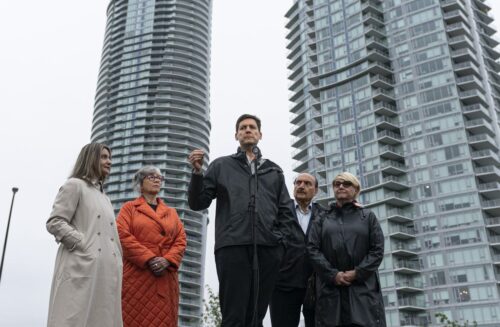
British Columbia's NDP Leader David Eby is ramping up the pressure on developers sitting on thousands of empty condominiums, unveiling an ambitious new tax strategy aimed at freeing up housing stock and addressing the province's affordability crisis.
At a campaign event Friday in Burnaby, Eby announced his government would introduce a tax on newly constructed units that remain vacant for more than one year, while also increasing the existing speculation and vacancy tax if the NDP returns to power following the October 24 election.
The proposed condo tax would start at two per cent and climb by one per cent annually for each additional year the units sit empty—a structure Eby believes could release approximately 5,000 units back into the market.
Massive Inventory Problem Drives Policy
Eby cited data from Real Property Data indicating that roughly $4.4 billion worth of unsold, finished condominiums currently sit empty across Metro Vancouver—units that are move-in ready but gathering dust while affordability pressures mount for British Columbians.
"They are brand new. They are ready for people to move in. They have been built," Eby said at the campaign stop, with a condo complex under construction looming behind him.
The NDP leader framed the initiative as standing up for struggling families against developer interests. "We will intervene. We will stand up for British Columbians, just like we stand up for developers," he stated, adding that market forces alone have failed renters and buyers facing skyrocketing housing costs.
Conservative Pushback on Tax Strategy
Conservative interim leader Lorne Doerkson fired back with criticism, questioning whether higher taxes solve the problem—or worsen it. In a written statement, Doerkson pointed to declining housing starts, lower home sales, and the very inventory problems Eby seeks to address as evidence that nine years of NDP governance hasn't delivered results.
"There is no problem the NDP don't think can be fixed with a tax," Doerkson said, calling the proposal a "four weeks before an election" pivot that doesn't address root causes of housing supply shortages.
Experts remain divided on whether the tax strategy will effectively unlock housing or simply shift the cost burden. Some housing analysts suggest the approach targets a symptom rather than the fundamental supply-and-demand imbalance plaguing Metro Vancouver and other B.C. communities.
This article is based on reporting from Canadian Mortgage Trends and CanadiuanMortgageTrends.com.