


A growing number of Calgary residents are expressing frustration with the pace and scale of new residential developments across the city, saying their concerns about oversized projects, neighbourhood compatibility, and the development approval process are falling on deaf ears.
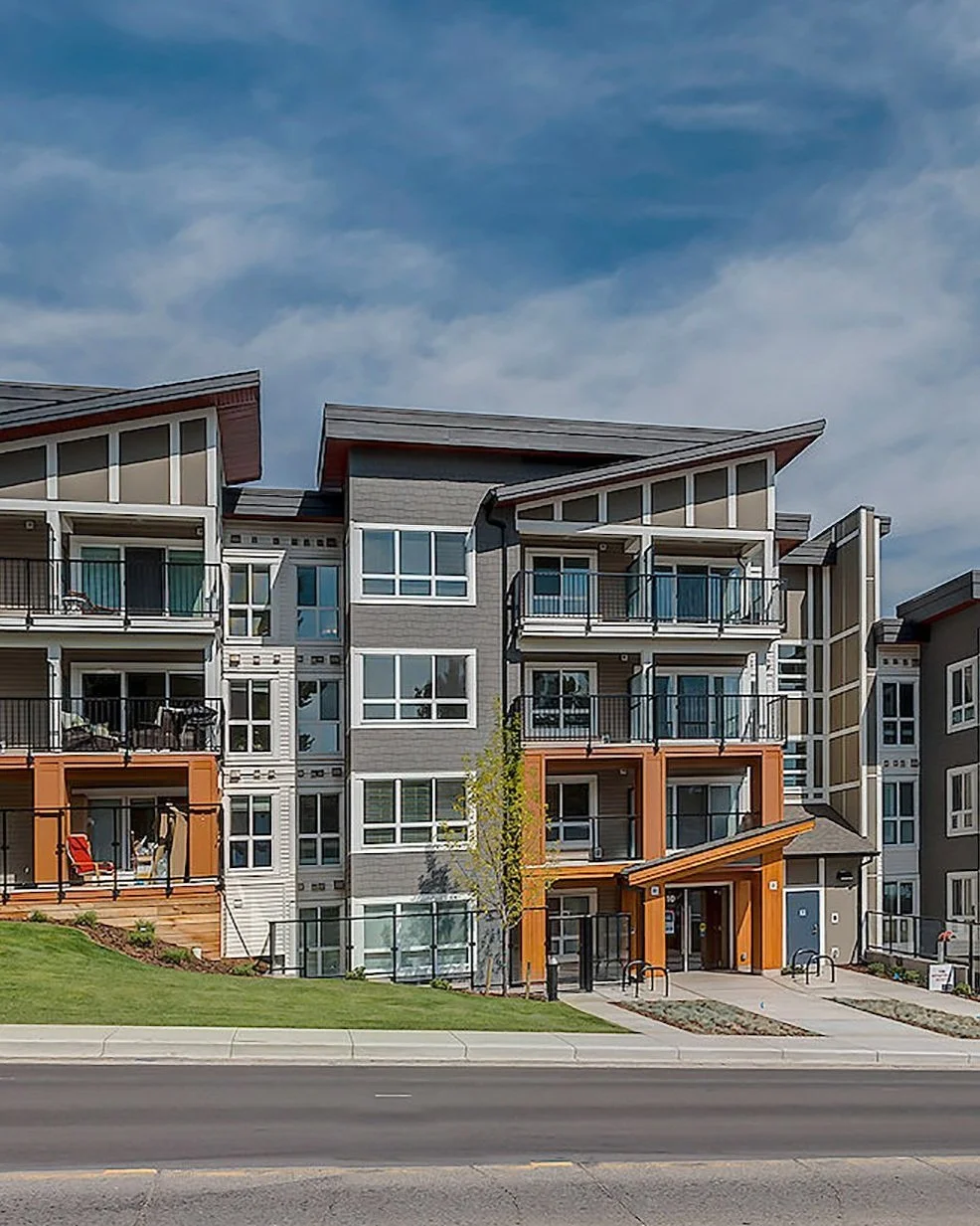
Community members from established neighbourhoods in all quadrants of Calgary report feeling sidelined as multi-unit projects — some towering several storeys above neighbouring single-family homes — receive approval despite vocal opposition from residents who say the developments are out of character with their communities.
"We're not against growth, but these projects are completely inappropriate for our street," said Janet Morrison, a longtime Altadore resident who has attended multiple community meetings about a proposed four-storey development on her block. "It's too tall, too dense, and it doesn't fit. When we raise these issues, we're told the project meets the guidelines, but those guidelines clearly aren't working for existing residents."

The frustrations extend beyond building height and density. Multiple residents interviewed by WestNet News described what they perceive as a development approval system that favours builders and developers over community input, with public consultation processes that feel performative rather than substantive.
"You go to these meetings, you fill out the forms, you send in your objections, and then the project gets approved anyway," said David Chen, a Bridgeland homeowner. "It makes you wonder why they bother asking for feedback at all."
Residents point to several concerns that they say are consistently dismissed: parking shortages created by multi-unit developments in areas designed for single-family homes, construction quality issues with rapidly-built projects, increased traffic congestion, and the loss of neighbourhood character.
Some homeowners have also raised questions about the relationships between developers and city officials, wondering whether financial interests are influencing planning decisions. While no evidence of corruption has been presented, the perception of a system that prioritizes development revenue over community concerns has taken root in multiple neighbourhoods.
"There's a feeling that the fix is in before we even get to voice our concerns," said Patricia O'Brien, president of a northwest community association. "These developers have resources, they have lawyers, they know how to work the system. Regular homeowners don't stand a chance."
The City of Calgary's planning department has maintained that all developments must meet established guidelines and that community engagement is a key part of the approval process. However, residents counter that the guidelines themselves have been modified in recent years to permit larger, denser projects without adequate consideration for existing neighbourhood contexts.
Construction quality has emerged as another flashpoint. Several residents described newly-built multi-unit developments as "sloppy" or "cheap-looking," with materials and finishes that they say don't match the quality of older homes in their neighbourhoods.
"These aren't well-designed buildings that enhance the community," Morrison added. "They're maximizing every square foot of the lot, cutting corners, and the people who have to live next to them for the next 30 years have no say in the matter."
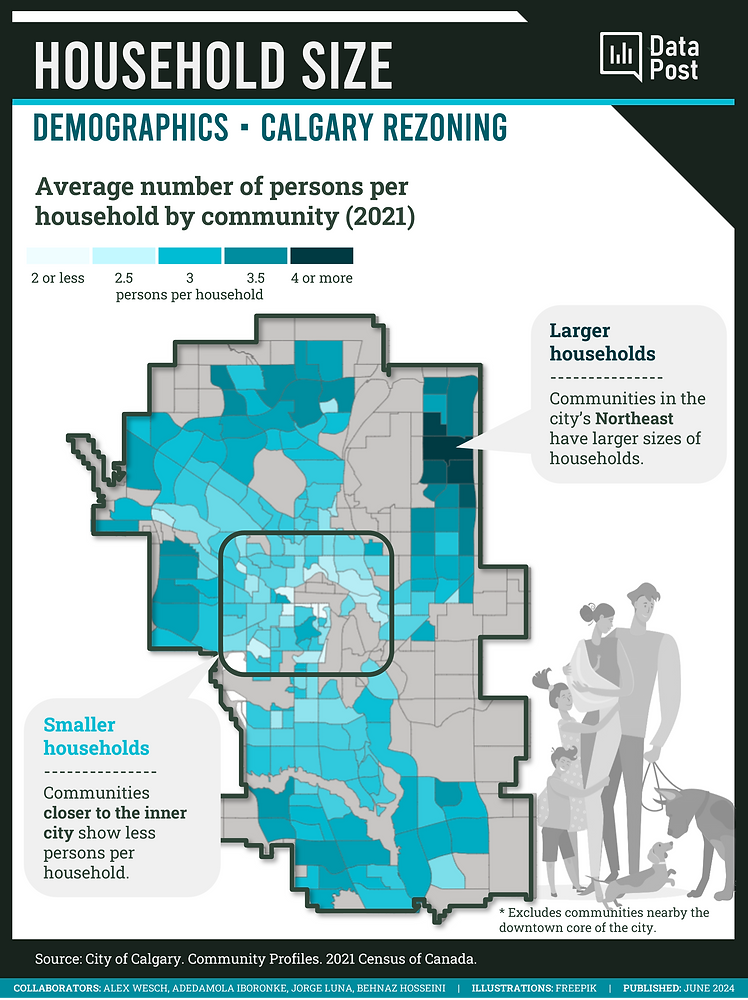
The tensions reflect broader debates occurring in cities across Canada about intensification, affordability, and community character. While city planners argue that increased density is necessary to accommodate growth and improve housing affordability, many established residents say the current approach is creating more problems than it solves.
Community associations have begun coordinating their efforts, sharing strategies and information about upcoming developments. Some are calling for changes to the approval process that would give greater weight to neighbourhood input, while others are demanding stricter design standards for new builds.
"We're organized, we're paying attention, and we're not going away," O'Brien said. "City council and developers need to understand that these decisions affect real people's lives and property values. We deserve better than a rubber-stamp approval process."
The planning department has not responded to requests for comment on residents' concerns about the approval process. Several development companies contacted for this story declined to comment.
As Calgary continues to grow, the conflict between intensification goals and neighbourhood preservation appears likely to intensify, with residents increasingly willing to challenge projects they view as inappropriate for their communities.
For homeowners looking to research property values and neighbourhood development trends in Calgary, resources like CalgaryFinder.com provide comprehensive real estate listings and neighbourhood data to help residents stay informed about changes in their communities.
Community meetings about several controversial developments are scheduled across Calgary over the coming weeks, with residents promising to continue voicing their opposition to projects they say are changing the character of their neighbourhoods without adequate community input.