


A dangerous veterinary tranquilizer is increasingly contaminating Alberta's street drug supply, creating a deadly new threat that renders standard overdose treatments ineffective, warns a leading addiction medicine specialist.
Dr. Monty Ghosh, who practices in both Edmonton and Calgary, reports a "stark increase" in medetomidine detection across Alberta's illicit drug market over recent months. The powerful non-opioid sedative, primarily used by veterinarians, poses a critical challenge for emergency responders and bystanders attempting to reverse overdoses.
"Since then we've really been looking at it and we've been seeing a stark increase in the amount of medetomidine that we're seeing in [Alberta's] drug supply," said Ghosh, who serves as an associate professor at both the University of Alberta and University of Calgary.
Naloxone Proves Ineffective
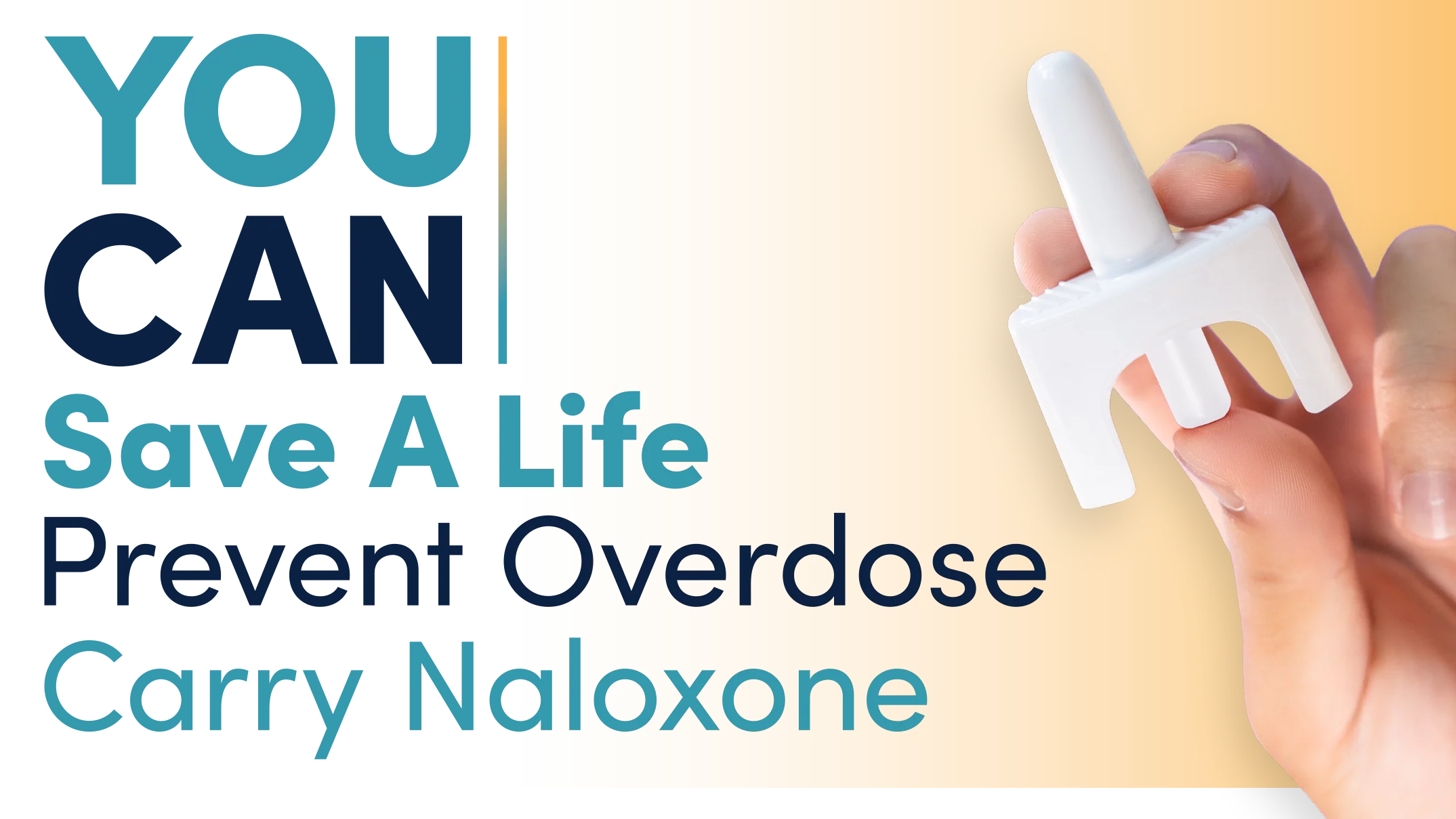
The emergence of medetomidine represents a significant shift in Alberta's overdose crisis. Unlike fentanyl-based overdoses, which respond to naloxone (Narcan), medetomidine cannot be reversed by the life-saving medication that has become a cornerstone of overdose response efforts.
Kayla Halliday, harm reduction manager with Edmonton's Queer & Trans Health Collective, explains the devastating impact on emergency responses.
"With fentanyl, you give someone Narcan, you wait a few minutes, they revive and you can go on your way. With medetomidine in the mix, we are no longer expecting people to wake up because medetomidine doesn't respond to naloxone."
Through the Spectrum drug testing program, Halliday's organization has documented alarming combinations in drug samples. "People are anticipating doing fentanyl but upon our analysis, it's fentanyl, benzodiazepine and medetomidine all in one sample," she noted.
Detection Spans Multiple Data Sources
Evidence of medetomidine's spread appears across various monitoring systems throughout Alberta. Researchers have identified the tranquilizer in Calgary wastewater testing, drug spot testing programs, and police seizure data.
Dr. Ghosh emphasizes that medetomidine is approximately twice as potent as other tranquilizers currently circulating in the drug supply. While previous cases had been documented in Alberta, the recent surge represents an unprecedented escalation.
New Response Protocols Needed
Despite naloxone's inability to counteract medetomidine, medical experts stress the importance of continued administration to address the opioid components typically present in contaminated drugs.
"There's not really an antidote to [medetomidine], per se," Ghosh explained. "For the common bystander ... if they see an overdose [and] they've tried naloxone four or five times and it's still not working, call for help."
Medical professionals can identify medetomidine involvement by monitoring heart rates. A pulse dropping below 50 beats per minute may indicate the presence of the veterinary sedative in someone's system during an overdose event.
The development adds another layer of complexity to Alberta's ongoing overdose crisis, which saw Edmonton Fire Service alone respond to more than 10,000 overdose-related calls in 2025.
This article is based on reporting by CBC Health. Original source: CBC News