


The European Union has moved swiftly to approve a transformative 90 billion euro ($144 billion CAD) financial lifeline for Ukraine, clearing away obstacles that had stalled the vital aid for months.
EU ambassadors formally endorsed the disbursement on Wednesday, paving the way for all 27 member states to finalize the deal by Thursday afternoon. The loan represents a critical piece of Ukraine's survival strategy through 2026 and 2027, covering roughly two-thirds of the war-ravaged nation's estimated 135 billion euro ($216 billion CAD) financial needs over that period.
The Hungarian Objection Collapses
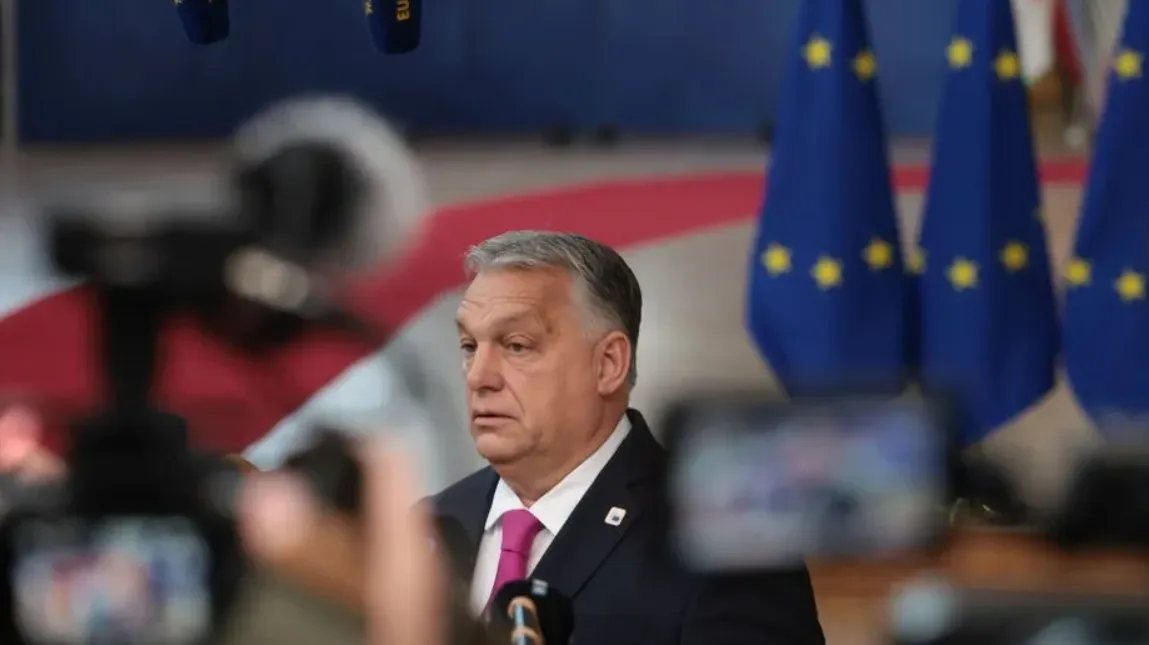
The breakthrough came just days after Hungary's political earthquake reshaped the bloc's dynamics. Prime Minister Viktor Orbán, who had wielded Hungary's veto power like a weapon to block the package for months, suffered a stinging election defeat on April 12. The incoming government, led by Peter Magyar, has signalled it will drop the obstruction that had infuriated EU partners.
Orbán had baselessly accused Ukraine of sabotaging Russian oil pipelines—a claim that conveniently served Moscow's interests while strangling European unity. The Hungarian leader's departure removes the single vote that had paralyzed the EU's decision-making on both Ukraine funding and new sanctions against Russia.
"The stumbling block has been removed," EU officials confirmed, as Hungary's state oil company MOL announced Wednesday that Ukraine's pipeline operator had agreed to resume crude oil transit to Hungary and Slovakia by Thursday at the latest.
How the Money Works
The loan structure reveals Europe's creative problem-solving. Each year through 2027, Ukraine receives 28 billion euros ($44 billion CAD) earmarked for military defence needs and 17 billion euros ($28 billion CAD) for general budget functions. Crucially, the interest-free loan comes with a unique repayment mechanism: Ukraine won't begin paying it back until Russia settles war reparations following the conflict's end.
This arrangement effectively transforms roughly 210 billion euros ($351 billion CAD) in frozen Russian central bank assets held in the EU into a financial backstop for reconstruction—without the legal landmines that direct confiscation would trigger.
A Broader Signal for Europe
The approval marks more than just financial relief; it signals a realignment in European politics away from the nationalist, Russia-friendly stance that Orbán had championed. With Hungary's grip weakening and new leadership committed to European solidarity, the EU can finally move forward on both Ukraine support and coordinated sanctions against Russia—measures initially planned to coincide with the fourth anniversary of the February 2022 invasion.
Brussels is banking on other developed democracies to cover the remaining funding gap for 2026, amounts already pledged but not yet fully disbursed.
This story is based on reporting from CBC World.