


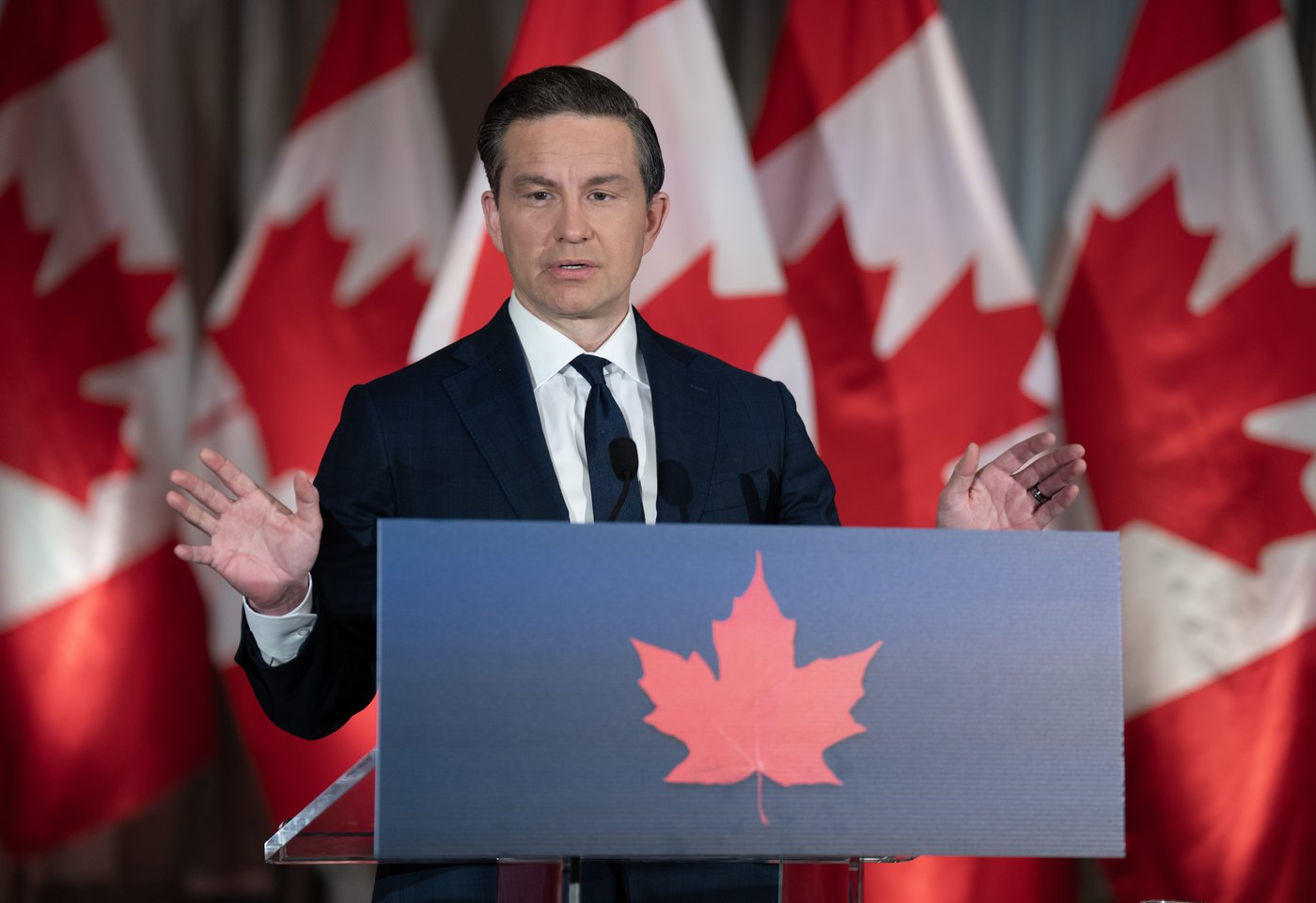
Conservative Party Leader Pierre Poilievre is turning up the heat on Prime Minister Mark Carney over what he calls a year-long stall on a crucial Alberta pipeline project — criticism that lands just as Carney signals movement on the long-sought infrastructure initiative.
Speaking at a Toronto news conference Sunday, Poilievre didn't mince words about the federal government's pace. "He's been prime minister for a year and he still hasn't even made up his mind whether he supports a pipeline," the Opposition Leader told reporters. "He's wasted an entire year."
Carney's response, delivered in an interview with The Canadian Press, struck a more optimistic tone. The Prime Minister said a new pipeline moving Alberta oil to Asian markets is now "more probable than possible" — a significant shift from earlier uncertainty.
The Bigger Picture
The pipeline deliberations are part of a broader federal-provincial package that emerged from a memorandum of understanding Ottawa and Alberta inked late last year. Beyond the pipeline commitment, the agreement includes Ottawa's suspension of a proposed federal oil and gas emissions cap and relief from federal clean electricity regulations that had rankled the Alberta government.
In return, Alberta has agreed to champion the pipeline development itself — including exploring Indigenous co-ownership opportunities — and to advance a major carbon capture and storage initiative.
"It's all part of a bigger package. We're making progress on that bigger package," Carney said, suggesting the pieces are moving into place.
What Poilievre Wants to See
The Conservative Leader's message was blunt: get government out of the way. Poilievre argues the Prime Minister must scrap the federal carbon tax and eliminate British Columbia's oil tanker ban — regulatory obstacles he says are the real blockers.
"[A pipeline] is wildly profitable," Poilievre contended. "It doesn't need any government handouts. It just needs a permit to go ahead."
International Context
Carney cited recent geopolitical factors — rising global energy demand sparked by the Iran conflict and Canada's need to diversify export markets — as reasons the pipeline has become increasingly attractive. He also pointed to the U.S. approval of the Bridger Pipeline expansion as evidence that momentum is building on cross-border energy infrastructure.
The Bridger expansion is viewed as a partial revival of the defunct Keystone XL pipeline, which former U.S. President Donald Trump approved during his first term before President Joe Biden later cancelled it.
Federal Energy Minister Tim Hodgson separately signalled Ottawa's support for "potential optimization" of the Trans Mountain Expansion Project, which would add a second pipeline running from Edmonton to Burnaby, British Columbia.
The Trans Mountain History
The Trans Mountain expansion carries painful memories for Ottawa. The previous federal government, under Justin Trudeau, purchased the pipeline project for $4.5 billion in 2018 to rescue it from private-sector gridlock. The final bill ballooned to $34 billion after years of delays and cost overruns — a cautionary tale for policymakers watching Alberta's new pipeline ambitions unfold.
This article is based on reporting from CBC Calgary and The Canadian Press.