


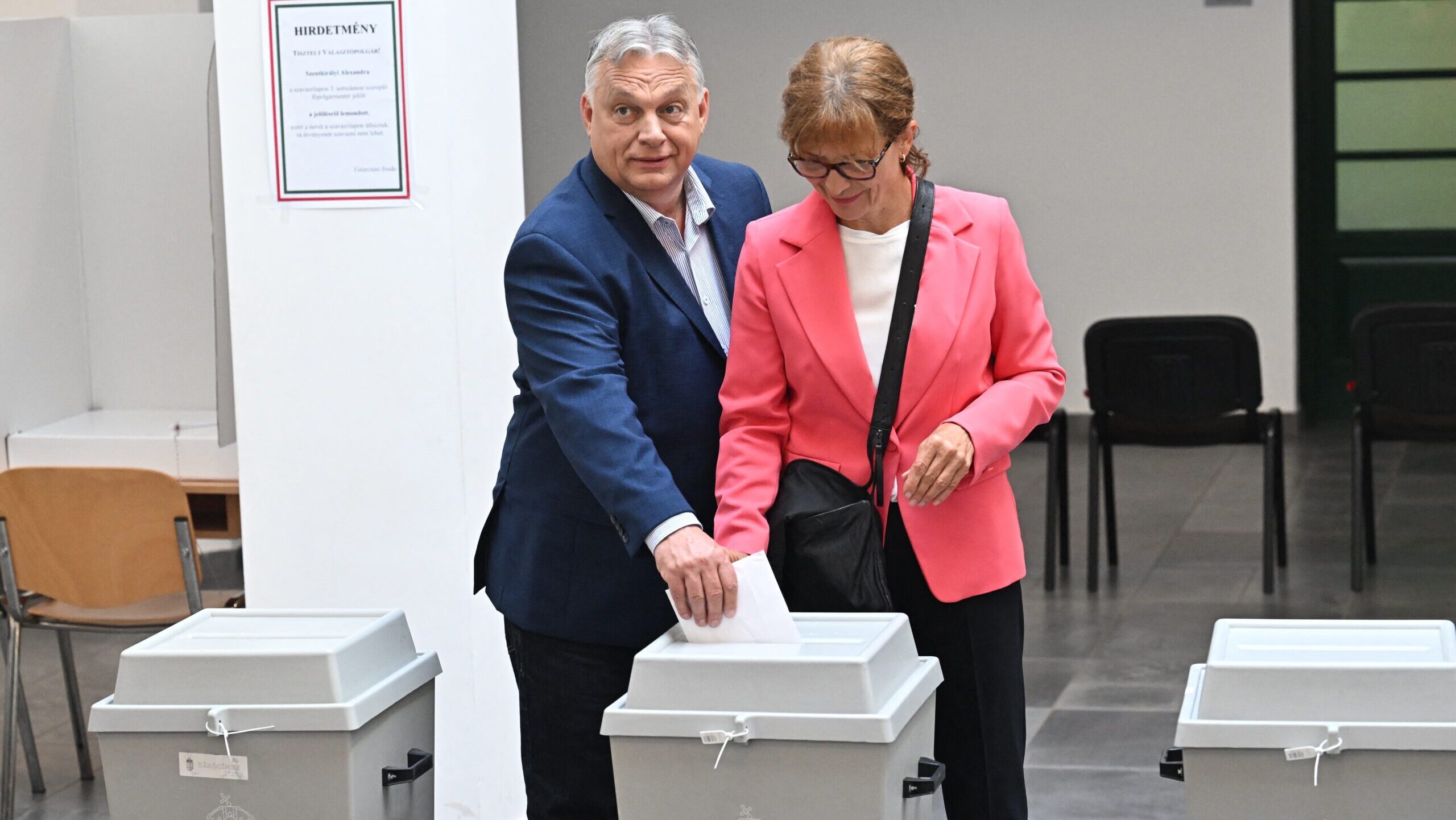
Hungary is bracing for one of its most consequential elections in decades, with voters set to decide Sunday whether Prime Minister Viktor Orbán will extend his unprecedented 16-year hold on power or step aside for a new political direction.
Polling data has painted a striking picture: Orbán's Fidesz party, which has dominated Hungarian politics since 2010, appears poised to lose ground to the centre-right Tisza Party. The opposition is being led by Péter Magyar, a former Fidesz insider whose defection and challenge to the establishment has energized voters hungry for change.
The stakes extend far beyond Budapest. Hungary's political trajectory will have ripples across Europe and beyond, with geopolitical implications that have caught the attention of major global powers.
The Orbán Model: Power and Controversy
Orbán has built what he calls an "illiberal democracy"—a system that maintains democratic forms while concentrating state power, controlling media outlets, and limiting judicial independence. His government has prioritized nationalist policies, traditional family values, and strict anti-immigration stances.
Critics argue his approach has created an authoritarian framework, with independent watchdogs and the European Union citing democratic backsliding, corruption concerns, and attacks on press freedom. The EU has repeatedly clashed with Budapest over these issues, creating tension within the bloc.
Yet Orbán's vision has attracted admirers. U.S. Vice-President JD Vance visited Budapest this week to openly support Orbán's re-election, underscoring the appeal his nationalist model holds for segments of the American political right. Meanwhile, Orbán maintains cordial relations with Russia and China—relationships that have put him at odds with Western allies.
The Opposition's Moment
Magyar's Tisza Party represents a starkly different vision: closer ties to the European Union, restoration of judicial independence, and a pivot away from what opponents see as Orbán's authoritarian consolidation of power. For younger Hungarians especially, the election represents a choice about the nation's fundamental direction.
"It's very simple," said 26-year-old Gergely Lázár, an architect attending a Tisza rally in eastern Hungary. "We decide between West or East, Europe or Russia."
Lázár's sentiment captures the anxiety many Hungarians feel. After 16 years under Orbán's leadership, voters are weighing whether his nationalist experiment has served the country well or whether Hungary needs to realign with its European partners.
A Nervous Electorate
As campaigning wrapped up and polling stations prepared to open, a palpable sense of tension gripped Hungary. Orbán's supporters fear losing their stronghold and the values system they believe he has defended. Opposition voters, meanwhile, worry that even if Tisza wins a plurality, it may fall short of the supermajority needed to undo Orbán's institutional changes—a testament to how deeply his influence has been embedded into Hungarian governance structures.
The outcome will reshape Hungary's international relationships and could signal whether Europe's experiment with "illiberal" governance has run its course.
This story is based on reporting from CBC World and reflects developments as of April 11, 2026. For the full CBC News analysis, visit CBC News World coverage.