


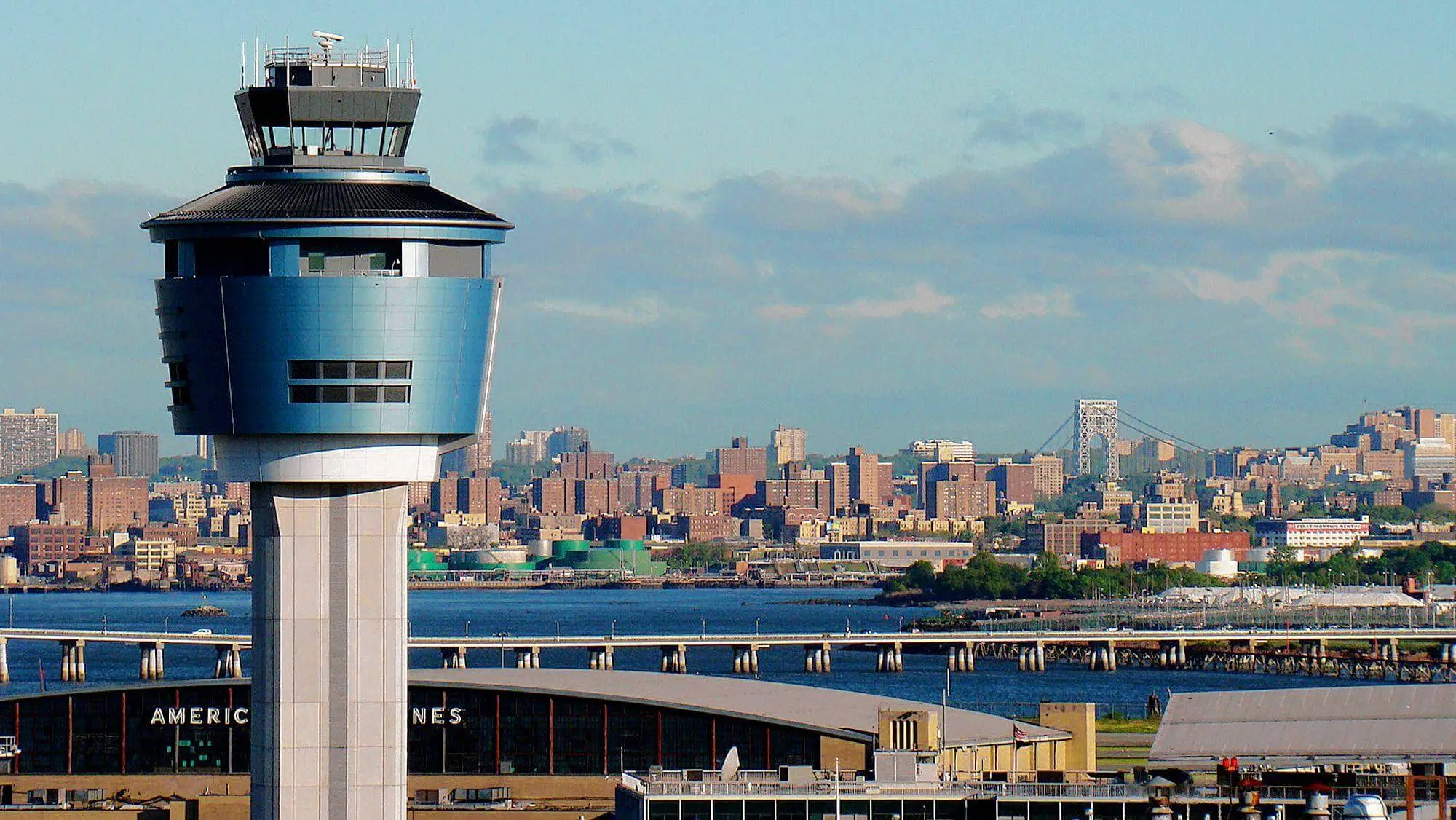
Air traffic control staffing at New York's LaGuardia Airport may have violated established safety procedures on the night an Air Canada aircraft collided with a fire truck, according to internal documents reviewed by Reuters.
The fatal crash occurred at approximately 11:37 p.m. ET on March 22, killing both pilots and reigniting concerns about air traffic controller shortages across the United States. The incident has prompted investigators to examine whether facility protocols were properly followed during the tragedy.
Safety Procedures Under Scrutiny
According to a 2023 LaGuardia tower standard operating procedures document, controllers are prohibited from combining local air traffic and ground traffic duties before midnight. The rule states that "positions at LaGuardia tower are not to be consolidated to one position prior to midnight local time or 90 minutes after the start of the shift, whichever is later."
This procedure was implemented following a 1997 collision at LaGuardia between a private aircraft and a vehicle, with new protocols established to prevent similar incidents.
The U.S. National Transportation Safety Board (NTSB) confirmed that two controllers were working in the airport's control tower at the time of the March accident. However, investigators have encountered conflicting information about who was performing ground control duties that night.
"It is not clear who was conducting the duties of the ground controller. We have conflicting information," said NTSB Chair Jennifer Homendy during a press briefing.
Controller Shortage Concerns
The investigation has highlighted ongoing staffing challenges facing U.S. air traffic control facilities. Multiple controllers across the country report that supervisor-level shortages are forcing personnel to handle combined roles more frequently, potentially compromising safety.
Audio recordings posted by LiveATC.net suggest that the local controller managing active runways may have also been handling ground traffic during the incident. Several current and retired controllers believe this interpretation based on their review of the communications.
At the time of the collision, one controller was managing active runways and immediate airspace, while a controller-in-charge was providing departure clearances to pilots. The ground controller position, which typically manages aircraft and vehicle movements on taxiways, remains the subject of investigation.
Investigation Continues
The Federal Aviation Administration, which operates U.S. air traffic control systems, stated it "supports the NTSB on accident investigations and takes any necessary safety actions based on the evidence."
The NTSB continues gathering information about each controller's specific duties during the fatal incident as part of its comprehensive investigation into the collision.
The March 22 tragedy has renewed calls for addressing chronic understaffing issues within the air traffic control system, with safety advocates emphasizing the critical importance of maintaining proper procedures during all flight operations.
This article is based on reporting by CBC World. Read the original story.