


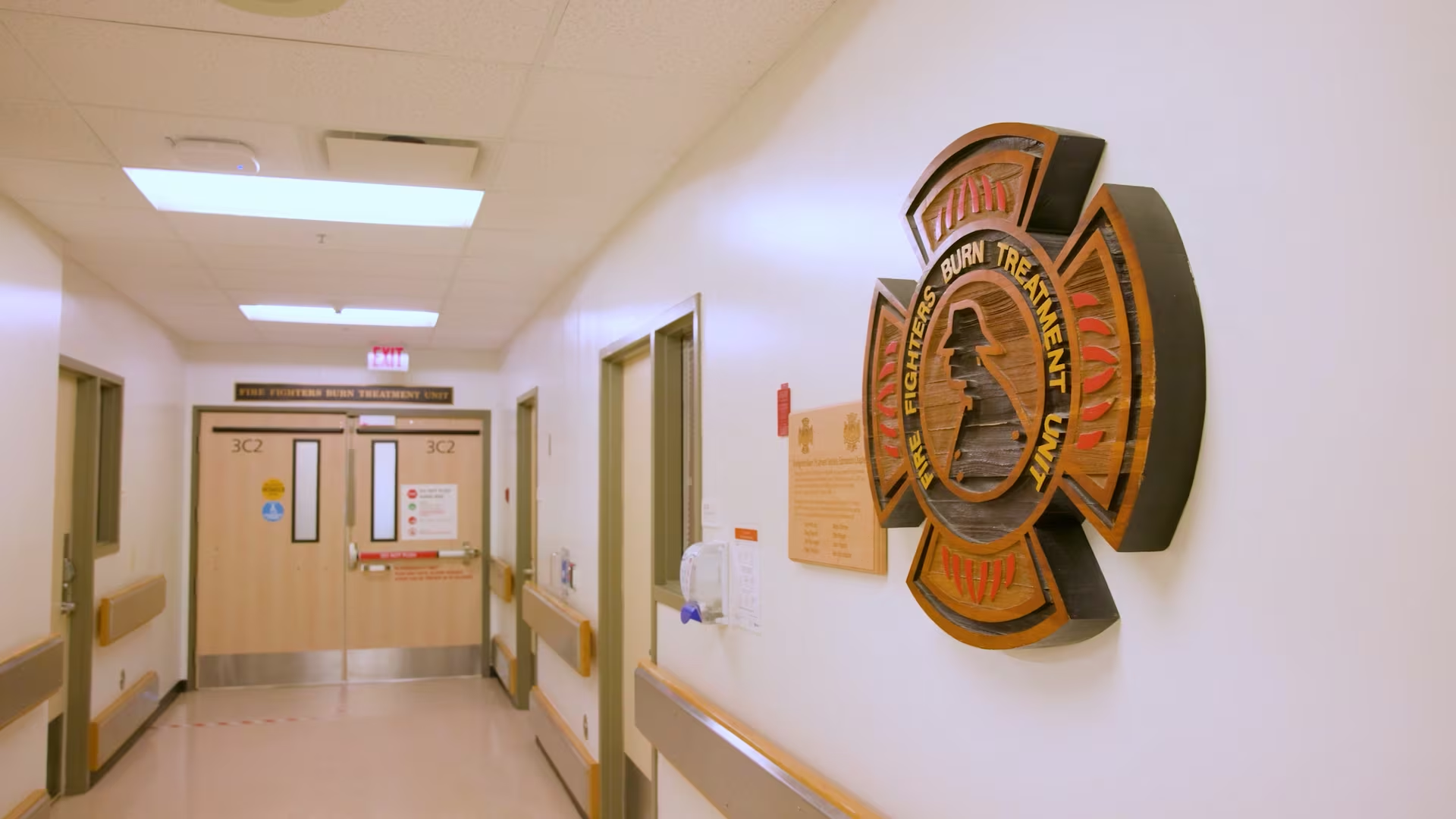
Soldiers injured in a devastating fire at a Canadian Armed Forces base southeast of Edmonton are bracing for a lengthy psychological recovery, Alberta health officials cautioned this week.
The fire at CFB Wainwright claimed lives and left multiple service members with serious burn injuries. Beyond the visible physical wounds, medical experts stress that the trauma experienced during the incident will require sustained mental health intervention.
Mental health support becomes critical focus
Alberta's health system is mobilizing resources to support the affected soldiers as they navigate both physical rehabilitation and psychological healing. The combination of physical trauma and the emotional weight of witnessing a tragedy on base creates complex recovery challenges that extend far beyond initial emergency treatment.
"These individuals will face a prolonged period of psychological adjustment," said a senior Alberta health official overseeing the response. The statement underscores the reality that recovery from such traumatic events unfolds over months and years, not weeks.
Military personnel already face unique stressors in their profession. Add acute trauma—burns, loss of comrades, near-death experiences—and the psychological burden multiplies significantly. Experts emphasize the importance of coordinated care that addresses both the visible injuries and the invisible wounds.
Coordinated care approach
Alberta health authorities are working alongside military medical services to ensure affected soldiers receive comprehensive support. This includes trauma counselling, peer support networks, and access to specialized mental health professionals experienced in treating service-related injuries.
The recovery journey is rarely linear. Soldiers may experience delayed reactions to trauma, difficulties readjusting to normal routines, or challenges reconnecting with family and community. Early intervention and sustained access to mental health resources significantly improve long-term outcomes.
Residents across Alberta concerned about supporting military personnel can connect with community organizations dedicated to veterans' and service members' wellbeing. Many local groups offer peer support, family counselling, and resources specifically designed for those navigating trauma recovery.
This report is based on information originally published by The Globe and Mail. Read the original story at globeandmail.com.