


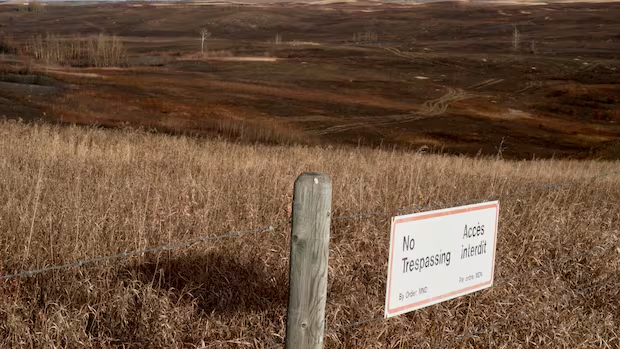
More than a month after a catastrophic grassfire swept across Canadian Forces Base Wainwright in central Alberta, provincial health officials are confronting the staggering medical aftermath—and the long road ahead for soldiers still fighting for recovery.
During a Thursday news conference, Alberta's top medical leaders provided sobering details about how the Oct. 17 disaster overwhelmed the province's health-care system in ways rarely seen before. Nineteen soldiers remain hospitalized across provincial facilities, with seven listed in critical condition as of late November.
The scale of the emergency was immediate and unforgiving. Dr. Josh Wong, interim medical director of the Firefighters' Burn Treatment Unit at the University of Alberta Hospital, described how his specialized ward went from normal operations to handling five times its typical patient load in a matter of hours.
"The number of patients requiring highly specialized care—complex care—placed extraordinary demands on our teams, both in the burn unit as well as in intensive care and on the ward," Wong said during the update.
When approximately 20 severely burned soldiers arrived at Edmonton's burn unit in rapid succession, hospital administrators were forced to make triage decisions under extreme pressure. Patients were diverted to other departments across the facility, including intensive care units, to create capacity for those with the most life-threatening injuries. A code orange was declared across Edmonton's hospital system, formally signalling that Alberta's medical infrastructure was operating at or beyond its limits.
A Tragedy That Changed Everything
The fire erupted on the afternoon of Oct. 17 when a low-burning grassfire suddenly intensified during fierce windstorm conditions on the training range, located roughly 200 kilometres southeast of Edmonton. Military personnel involved in exercises found themselves caught in rapidly advancing flames with little warning.
The human toll has been devastating. Four soldiers died at the scene, while a fifth succumbed to his injuries on Nov. 13 at an Ontario hospital. Among the initial 39 people transported to hospitals, many sustained severe burns across significant portions of their bodies.
A Recovery Measured in Years, Not Days
For those soldiers still hospitalized, the journey ahead is daunting. Wong, who also practices as a burn, plastic and reconstructive surgeon, emphasized that recovery from severe thermal injuries typically spans months to years—with many survivors facing permanent physical and psychological changes.
Health officials expressed deep gratitude to front-line workers who responded to the mass casualty event, calling their efforts heroic and noting that the disaster exposed both the resilience and fragility of Alberta's health-care system when faced with unprecedented demand.
The Wainwright fire has become a turning point for how Alberta thinks about emergency preparedness and specialized trauma care capacity moving forward.
This article is based on reporting from CBC Edmonton.