


Hopes for a breakthrough in US-Iran negotiations have evaporated, setting the stage for a turbulent start to the trading week as investors reassess their exposure to riskier investments.
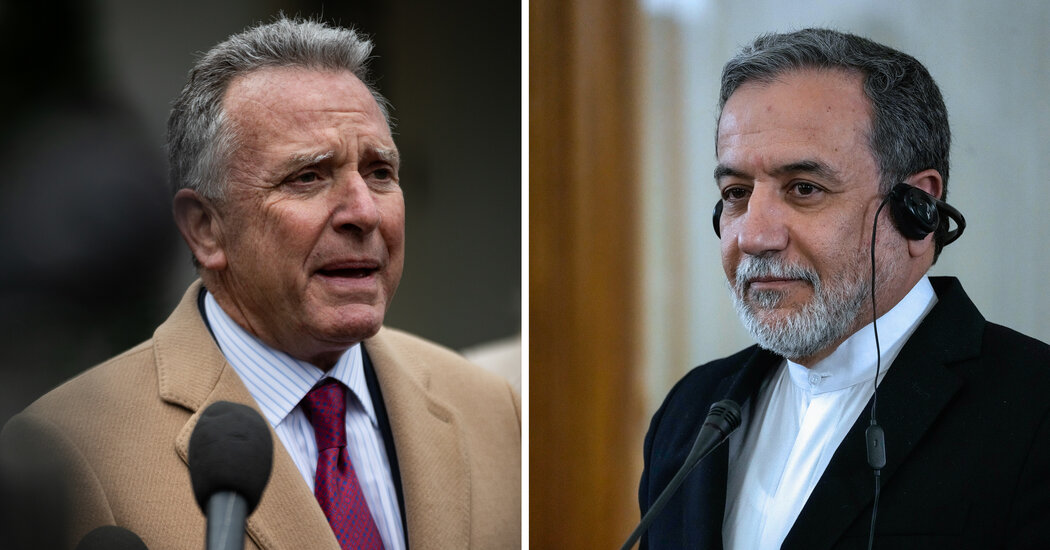
Talks between the two nations collapsed over the weekend in Pakistan, with the US delegation returning home empty-handed after Iran refused to commit to abandoning its nuclear weapons program. Vice President JD Vance confirmed the negotiators would depart without an agreement, disappointing investors who had ramped up their risk appetite last week following announcements of a ceasefire.
Markets Bracing for Monday's Sell-Off
Financial analysts are predicting a rough opening for equity markets Monday morning, with investors likely fleeing to safer havens in the wake of the diplomatic breakdown. The failed talks reverse the modest gains seen last week when the ceasefire announcement had sparked optimism about de-escalation.
"The immediate reaction will be a flight to safety," according to market observers quoted by Bloomberg. The Canadian dollar is expected to face headwinds as investors globally seek refuge in traditional safe-haven assets.
The Ripple Effect Across Key Markets
Several asset classes face pressure:
Currency Markets: The US dollar is poised to strengthen after dropping 1.4% last week, as nervous investors retreat to the American currency.
Energy Prices: Oil markets will likely experience volatility, particularly as geopolitical tensions resurface. Constraints affecting shipping through the Strait of Hormuz—a critical chokepoint for global energy supplies—will keep crude prices elevated and unpredictable.
Equities: Broad-based stock market declines are expected as investors reassess their portfolios and reduce exposure to growth-oriented and cyclical sectors.
Precious Metals: Gold may attract fresh demand as investors seek inflation-protected assets amid the uncertainty.
Treasury Markets Face Crossfire
The outlook for government bonds presents a mixed picture. While safe-haven demand typically supports Treasury prices, inflation concerns could push yields higher. Market watchers suggest a "knee-jerk bid" at the opening, followed by more complex trading as investors weigh competing forces.
How far bond prices rally depends heavily on crude oil's opening. If energy prices spike due to ongoing Hormuz supply concerns, inflation expectations could reprice quickly, limiting gains in the duration market.
Will the Damage Be Temporary?
Some analysts suggest the market reaction may be muted if investors view the failed talks as merely a temporary setback in the broader peace process rather than a definitive breakdown. That optimistic interpretation could limit the severity of Monday's sell-off, though most expect at least a significant opening decline.
For Canadian investors and businesses exposed to global markets—particularly those in energy, technology, and export sectors—the diplomatic failure adds another layer of uncertainty to an already complex investment environment. Albertans with exposure to oil and gas equities should prepare for volatile trading.
"The scale of market reaction may be limited if investors take the view that the talks represent only a temporary setback for hopes of peace."
This article is based on reporting from Financial Post and Bloomberg. For the original Financial Post article, visit their website.