


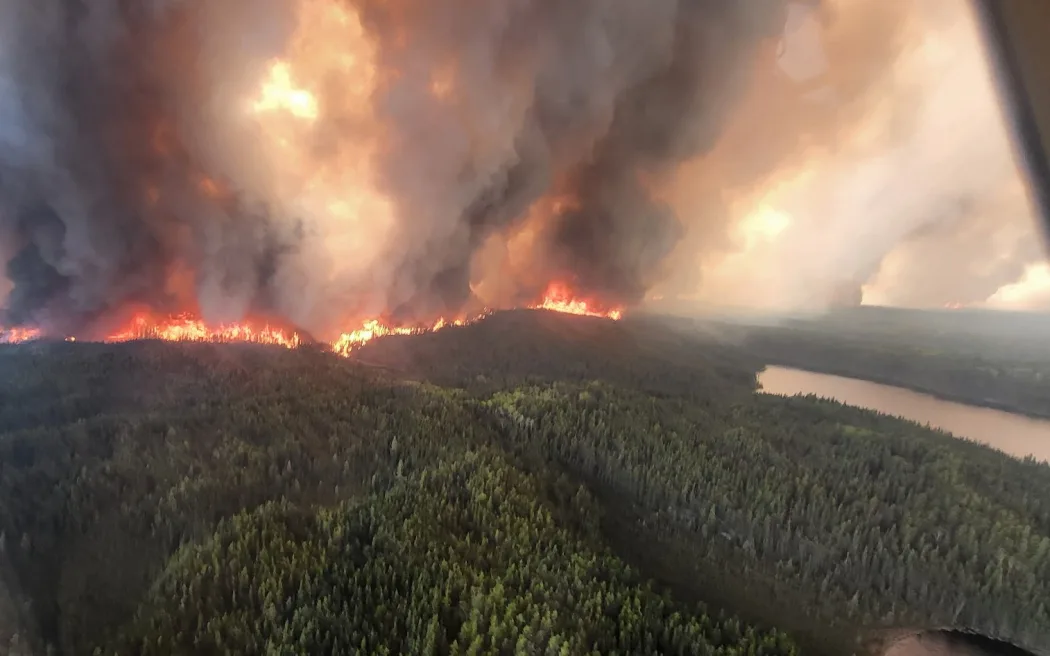
Canada is bracing for what could be another devastating wildfire season in 2026, as leading fire experts warn the nation has entered uncharted territory in its battle against increasingly severe burns.
While April started with relative calm across much of the country, the underlying conditions tell a troubling story. Experts point to persistent drought conditions, above-normal temperatures forecast for the coming months, and the anticipated arrival of El Niño—a warming climate pattern—as potential accelerants for another punishing fire year.
A 'New Reality' for Canada's Fire Seasons
Mike Flannigan, a wildland fire professor at Thompson Rivers University in Kamloops, B.C., says 2026 will serve as a critical test case for Canada's wildfire future.
"My narrative used to be, there'll be bad fire years and there'll be quiet years. I'm now beginning to think at a national scale most years are going to be bad fire years," Flannigan said.
The warning reflects Canada's grim recent history. The nation just completed three consecutive severe wildfire seasons, with 2023 ranking as the worst on record when flames consumed approximately 150,000 square kilometres of land. Last year ranked as the second-worst on record.
Where Danger Lurks Across Canada
While much of Canada entered spring with deeper-than-normal snowpack from a stormy winter, certain regions remain vulnerable. Richard Carr, a wildfire research analyst with Natural Resources Canada in Edmonton, has identified several hotspots to watch:
Southern British Columbia into southern Alberta and southwestern Saskatchewan are already showing concerning fire-conducive conditions. Additional areas of concern include drought-stricken New Brunswick and regions around Hudson Bay and the eastern Northwest Territories, where snowfall fell below normal levels.
"It looks like we're expecting fairly warm conditions through the summer and the rest of the country might start to get fairly active by sometime in June or July," Carr noted.
The Unpredictable Nature of Fire Season
Predicting Canada's wildfire season with precision remains nearly impossible. April forecasts cannot account for lightning strikes that ignite fires, nor the sudden arrival of hot, dry, and windy weather conditions that fuel rapid spread. However, seasonal indicators provide experts with clues about regional risks.
The confluence of lingering drought, above-normal heat expectations, and El Niño's influence on Pacific Ocean patterns has prompted caution among researchers. Flannigan's assessment—that Canada may have shifted into a new era of persistently severe fire seasons—underscores the scale of the challenge ahead.
As Albertans and Canadians across the country prepare for another fire season, communities are urged to review evacuation plans and wildfire preparedness measures. The stakes have never been higher.
This article is based on reporting from CBC Tech. For the full story and additional details, visit CBC News.