Business

Gulf States Consider Military Action Against Iran Amid Rising Regional Tensions
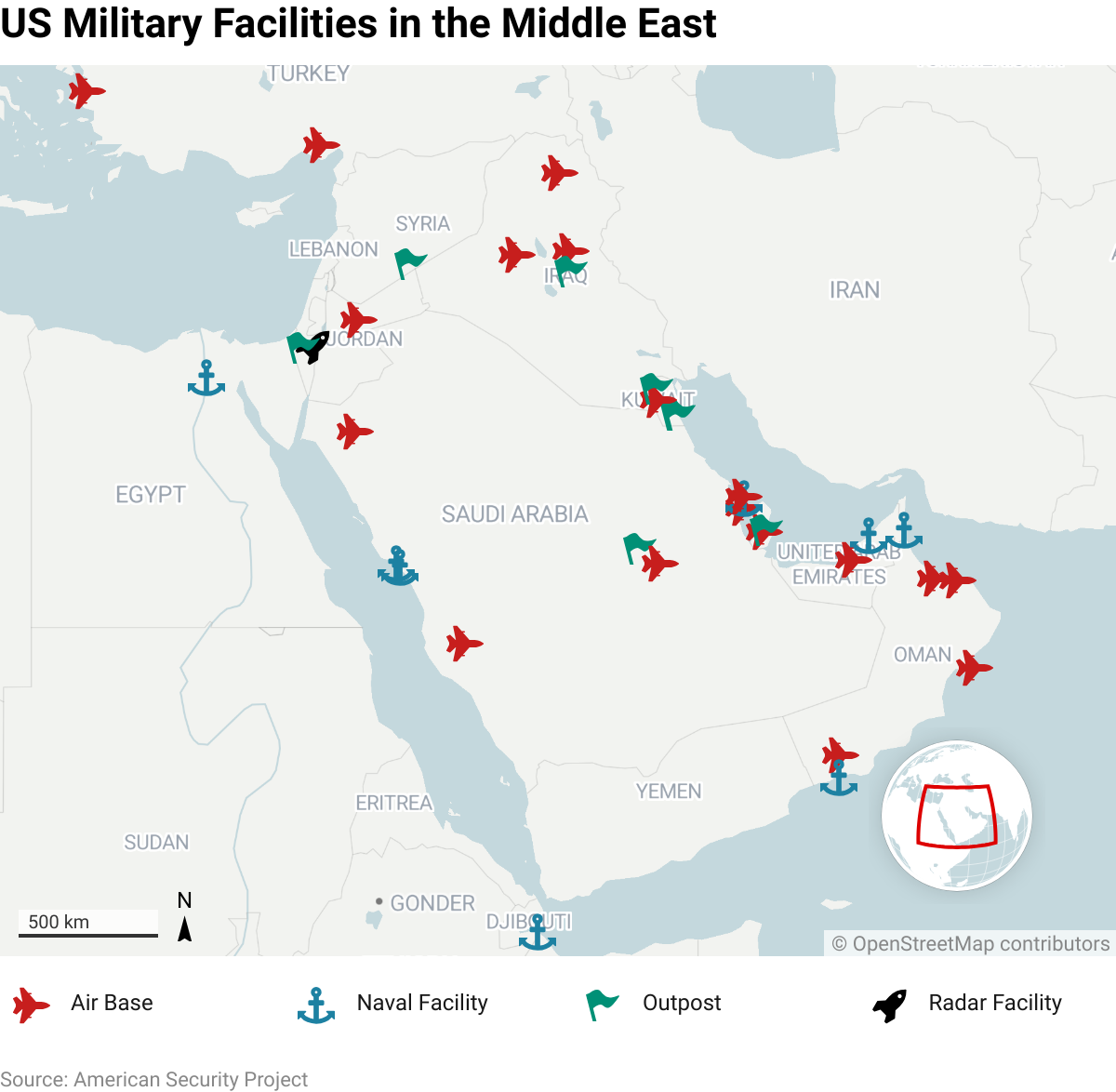
Saudi Arabia and UAE growing impatient with Iranian strikes on critical infrastructure across the Middle East.

Gulf States Consider Military Action Against Iran Amid Rising Regional Tensions

(Financial Post / File)

Major Gulf Arab states are weighing potential military involvement against Iran as tensions escalate across the Middle East, according to sources familiar with the regional security situation.

Saudi Arabia and the United Arab Emirates, the Gulf's most influential powers, are reportedly losing patience with Iranian attacks that have targeted ports, energy facilities and airports throughout the region. However, these nations would only consider joining military action if Iran follows through on threats to strike vital power and water infrastructure — a significant escalation threshold.

The potential shift represents a dramatic change in regional dynamics, as most Gulf states have been moving toward this position, with the notable exception of Oman, which continues to pursue its traditional role as a regional mediator.

High Stakes for Gulf Nations

Regional leaders face a complex calculus in their decision-making process. While growing frustrated with Iranian aggression, they remain cautious about the potential consequences of military involvement, including the possibility of intensified Iranian retaliation against their own territories.

A particular concern among Gulf leadership centres on the possibility that any future diplomatic agreement between the United States and Iran could leave them exposed to retaliation from "a wounded, angry regime," according to a European diplomatic source in the region.

This fear persists even among nations not considering military involvement, highlighting the broader regional anxiety about Iran's intentions and capabilities.

Diplomatic Reversal

The current tensions mark a significant reversal of recent diplomatic efforts. Over the past five years, both Saudi Arabia and the UAE had invested considerable diplomatic capital in attempting to normalise relations with Iran, hoping to prevent exactly the kind of widespread conflict now unfolding across the region.

Gulf nations have historically viewed Iran's Shiite theocratic government as seeking to expand its ideological influence throughout the predominantly Sunni Arab Middle East, creating long-standing sectarian and geopolitical friction.

The evolving situation continues to reshape Middle Eastern alliances and could have significant implications for global energy markets, given the region's critical role in oil and gas production.

This report is based on information originally published by the Financial Post and Bloomberg News.

Share this story

