


A security table at Halifax Infirmary tells a stark story about hospital safety in Canada. Arranged across it are knives, box cutters, a hacksaw, and what security officials describe as improvised weapons—including a makeshift blade fashioned from a paper cutter arm.
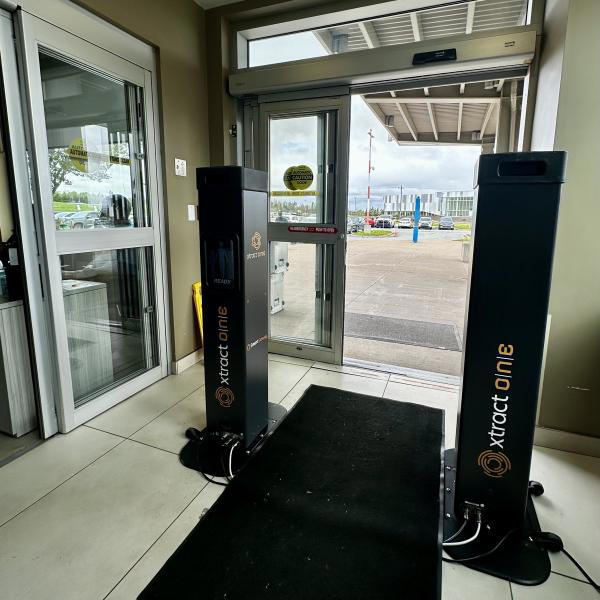
Since Nova Scotia Health installed advanced artificial intelligence weapon detection systems at the Halifax Infirmary in December, security staff have discovered roughly one dangerous item for every 100 people who pass through the doors. With approximately 75,000 visitors monthly, the hospital screens and confiscates significant quantities of potentially lethal objects.
"We're not looking to put barriers up for people to get in here," said Dean Stienburg, Nova Scotia Health's director of security. "We're just looking to make sure that we're identifying dangerous things and keeping them out of the hospital."
The initiative follows a serious incident last year when two staff members were stabbed and a third injured at the facility. Hospital leaders recognized that traditional metal detectors—which triggered false alarms from cellphones and belt buckles—weren't adequate for modern hospital security.
How the AI Detectors Work
The new screening technology represents a significant upgrade. Unlike conventional metal detectors that flag nearly everything, the AI systems use machine learning to differentiate between everyday items and genuine threats. When a potential weapon is detected, the device displays the exact location on a screen, allowing security guards to conduct precise, targeted checks without slowing down foot traffic.
"What's neat about the AI is it's constantly learning," Stienburg explained. "There's no personal data ever transmitted, but the machines do store the data of what it finds. And then they compare that with their machines all over North America and they learn what different things are, so it's constantly teaching itself."
The system has already proven effective at identifying creative threats. One device appeared to be a simple green leaf keychain—until opened to reveal a hidden blade designed for slashing. Others included kitchen knives, utility blades, and weaponized tools that visitors attempted to smuggle into the hospital.
Expanding Across Atlantic Canada
Nova Scotia Health currently operates AI detection units at four hospitals, with an additional unit screening the emergency room at Cape Breton Regional Hospital in Sydney. The health authority plans to install seven more units at hospitals across the province this fall, expanding the safety net throughout the healthcare system.
Security officials note that most people caught with weapons don't have criminal intent. Some claim they carry items for self-defence, while others may be unaware that hospital security policies prohibit such items.
"If you wouldn't take it into the airport with you, probably don't bring it into the hospital," Stienburg advised visitors.
The deployment reflects a broader concern across Canadian hospitals about workplace violence and patient safety. Healthcare workers across the country have reported increasing incidents of aggression and threats, prompting facilities to invest in upgraded security infrastructure.
This story is based on reporting from CBC Health. For more information, visit CBC News Health.