


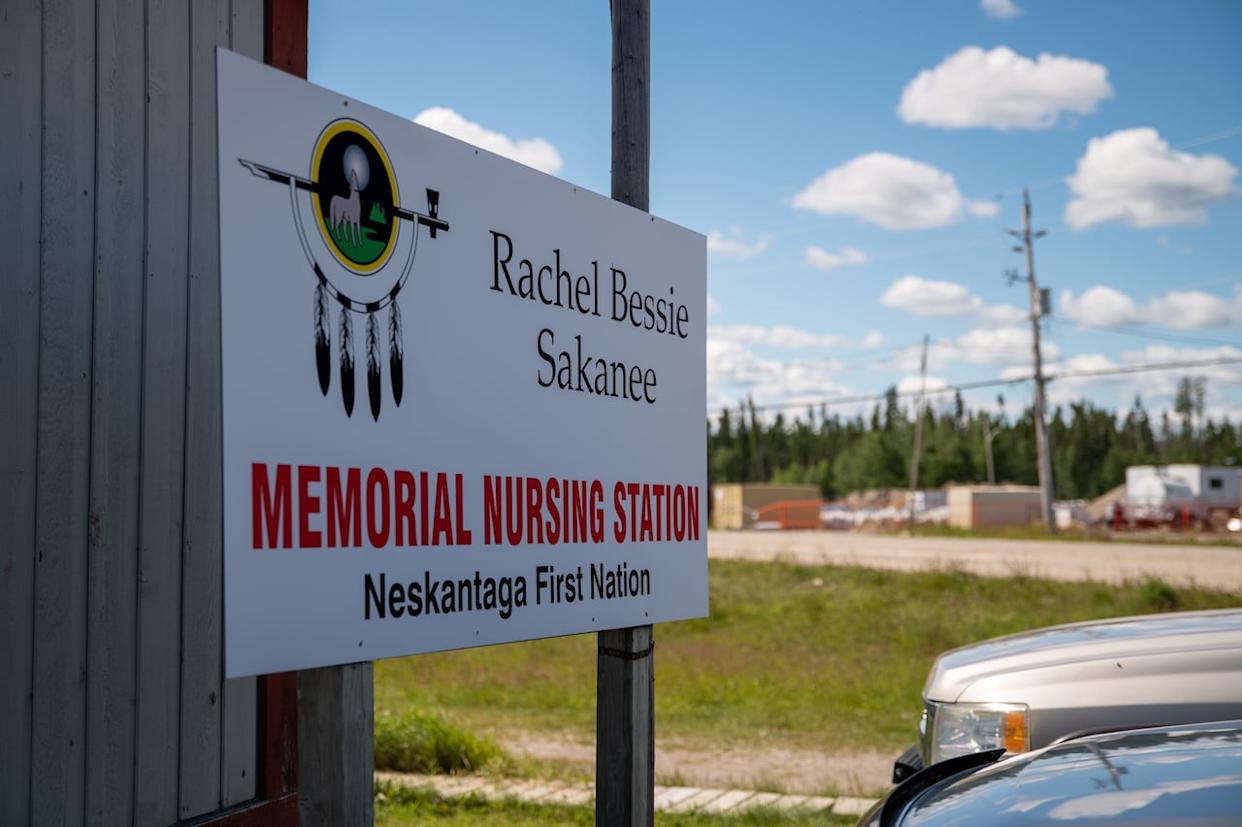
A remote Ojibway community in northwestern Ontario is sounding the alarm on a healthcare crisis that has stretched on for more than a year, with leaders warning that lives are at risk without immediate federal action.
Neskantaga First Nation has been operating under a state of emergency since April 2025 after its only nursing station flooded, forcing the evacuation of the community's most vulnerable members. Though Indigenous Services Canada (ISC) announced the facility reopened in November, First Nation leaders say the 30-year-old building and its outdated medical equipment are woefully inadequate for the community's needs.
A System Failing Its People
"We are worried that we're going to lose community members over this," said Lashaunda Waswa, the First Nation's 22-year-old band councillor. "The aging facility and the lack of proper resources are creating a healthcare crisis that impacts everyone in our community."
The nursing station, built in 1994, remains the only healthcare centre serving the isolated community. Staff rely on contract nurses from outside the First Nation who haven't developed the trust relationships necessary to provide effective care. Multiple community members have reported being sent home from the facility only to require emergency medical evacuations later.
Transportation Barriers Creating Medical Chaos
Adding to the crisis is a broken medical transportation system. The federal Non-Insured Health Benefits (NIHB) program is supposed to cover travel costs, accommodations, and meals for patients requiring care outside the community—a necessity when residents need specialized treatment unavailable locally.
But the system is failing. Community members report receiving travel notices just minutes before flights arrive, making it impossible to prepare or reach appointments on time. Chief Gary Quisses described the frustration bluntly.
"It's last-minute notice, maybe five minutes before the plane lands: 'Your travel's here.' It's really impacting the system," Quisses said. "We need the governments to step up. That's their obligation to fix that—it's not the First Nation's fault why we lose appointments, why we miss flights."
Decades-Long Boil-Water Crisis Compounds Health Emergency
The healthcare crisis isn't occurring in isolation. Neskantaga has been living under a boil-water advisory for 31 years—the longest-standing boil-water order in Canada. The combination of unsafe drinking water and inaccessible healthcare has created a public health emergency that federal and provincial authorities have allowed to persist for three decades.
What the First Nation Is Demanding
Neskantaga's leadership has laid out clear demands: a new, modern medical centre to replace the aging nursing station, and a complete overhaul of the NIHB transportation system to ensure timely coordination and reduce missed appointments.
"Health services, including dental and X-ray, are currently available through the nursing station," ISC spokesperson Jennifer Cooper said in a statement. The federal department also noted it has been "supporting the delivery of medical supplies, co-ordinating nursing staffing, and access to primary care services" since the emergency began.
However, community leaders say these measures fall short of what's needed to prevent further deterioration in health outcomes and loss of life.
This article is based on reporting from CBC Health. Read the full original investigation at CBC News.