


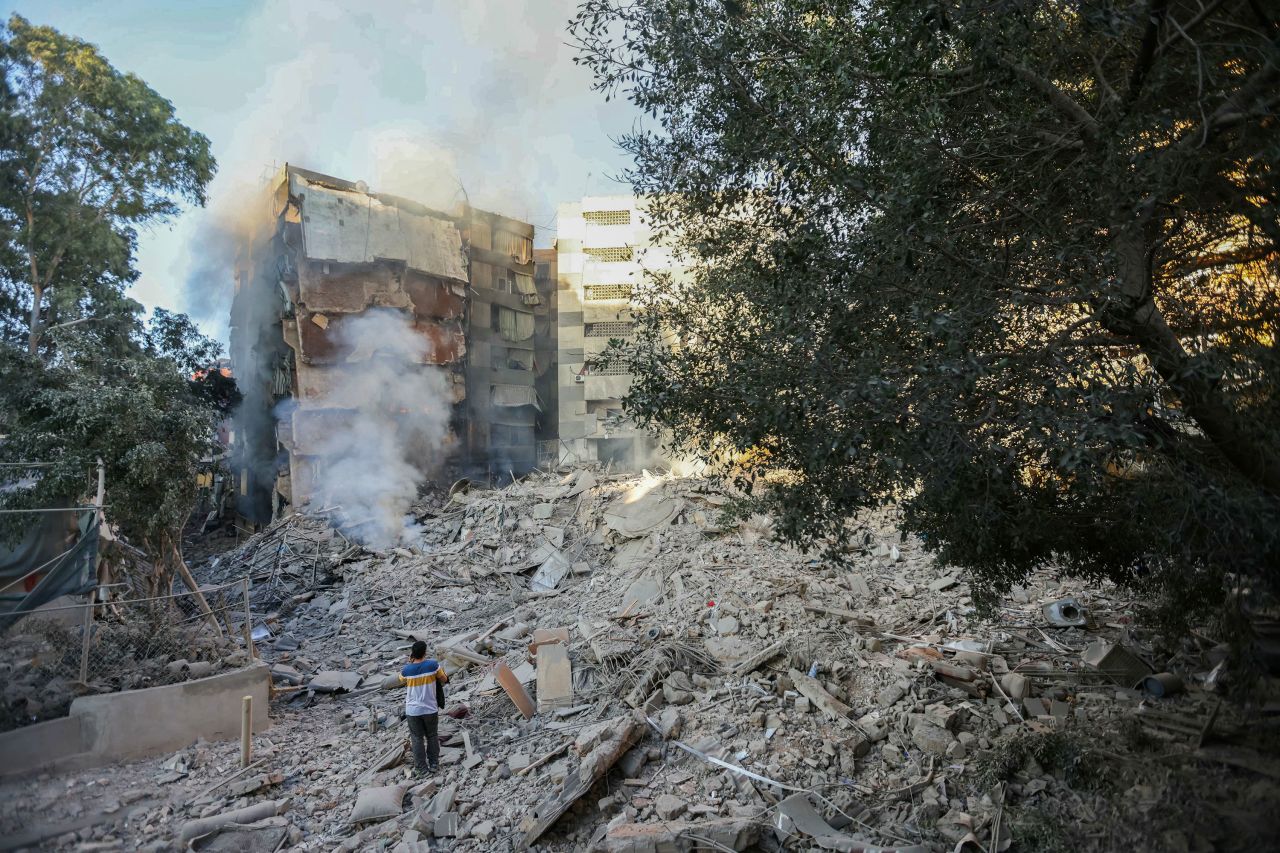
Israeli Prime Minister Benjamin Netanyahu has approved direct negotiations with Lebanon even as his military continues intense bombing campaigns across the country, killing more than 300 people in recent strikes, according to Lebanon's Health Ministry.
The announcement of talks creates a stark contradiction: Netanyahu says he wants to negotiate disarmament of Hezbollah and establish peaceful relations, yet Israeli warplanes continue pounding Lebanese targets. The Health Ministry warns the death toll from Thursday's strikes alone is not final and will likely rise as rescue teams pull bodies from rubble. Since March 2, the conflict has claimed 1,888 lives and wounded more than 6,000.
"I have instructed my cabinet to begin direct talks with Lebanon," Netanyahu stated, emphasizing that discussions would "focus on disarming Hezbollah and establishing peaceful relations" between the two nations.
However, Hezbollah lawmaker Ali Fayyad swiftly rejected the overture. "The group rejects direct negotiations with Israel," Fayyad said Thursday, arguing that the Lebanese government must first demand a ceasefire as a precondition before any talks proceed. He also insisted that negotiations must address Israeli troop withdrawal from Lebanese territory and the return of displaced people to their homes.
Global Energy Crisis Deepens
The escalating violence threatens to unravel U.S. President Donald Trump's recently announced truce with Iran. Iranian negotiators were expected to head to Pakistan Thursday for the first peace talks, scheduled to meet a U.S. delegation Saturday.
But Tehran has shown no sign of lifting its blockade of the Strait of Hormuz, a critical global energy chokepoint. The Iranian government has stated it will not agree to any deal while Israel continues striking Lebanon.
The blockade has triggered the worst disruption to global energy supplies in history. Oil prices paid by European and Asian refineries have hit record levels near $150 US per barrel, with some energy products like jet fuel commanding even steeper prices. This global energy crisis directly impacts Canadian fuel costs and could ripple through supply chains affecting everything from groceries to heating oil.
Ceasefire Dispute Clouds Negotiations
A fundamental disagreement threatens peace efforts: Israel and Washington claim Lebanon is not covered by Tuesday's ceasefire announcement, while Iran, Pakistan (which brokered the deal), and several allied nations—including Canada, Britain, and France—insist Lebanon was explicitly included in the agreement.
A Pakistani source involved in discussions revealed that Pakistan is working on separate ceasefires for both Lebanon and Yemen. "It will be discussed during the upcoming talks and we will settle it," the source said.
Israeli military officials reported Thursday that their forces killed the nephew of Hezbollah Secretary-General Naim Qassem, who served as his personal secretary. The military also said it struck river crossings in Lebanon overnight.
The conflict began last month when Israel invaded Lebanon to root out Hezbollah, which is backed by Iran. Canadian residents caught in the crossfire report terrifying conditions. "You spend the entire day just listening to airstrikes," said Shay Ayoub, a Lebanese Canadian living in Beirut. "It's a very terrorizing experience."
This article is based on reporting from CBC World.